




What's Happening?
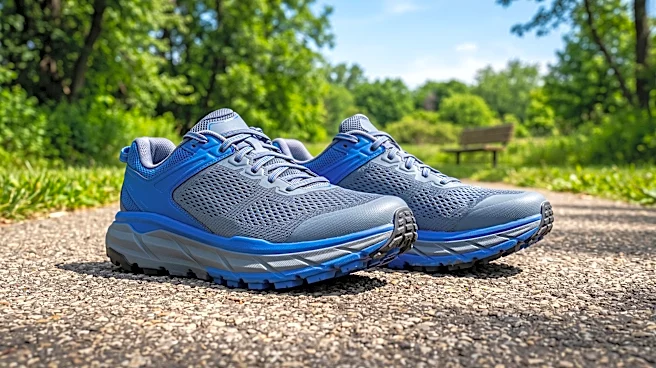
The Mount to Coast H1 running shoe has been reviewed, highlighting its effectiveness as a road-to-trail shoe. The review emphasizes its ability to transition seamlessly between different terrains, such as pedestrian paths, roads, and off-road sections,
without compromising performance. The H1 features Mount to Coast’s CircleCELL midsole, constructed from organic waste and residual biomass, contributing to its environmental profile. It provides a comfortable and steady ride on neutral, even terrain, offering a dependable cushioning experience. The shoe's lacing system, TUNEDFIT, is noted for its intuitive design. With 2mm lugs, the H1 offers sufficient grip for varied surfaces without being overly aggressive for road use. The shoe also carries the American Podiatric Medical Association’s Seal of Acceptance, indicating its promotion of good foot health. Its dual-zone upper combines soft jacquard fabric for comfort with an aramid-reinforced weave for durability in high-wear areas.
Why It's Important?
The Mount to Coast H1's design addresses a significant need for runners who frequently encounter mixed terrains, such as those participating in parkruns or training routes that combine urban and natural environments. Its versatility means runners may not need multiple specialized shoes, potentially reducing costs and simplifying their gear. The use of organic waste and residual biomass in the CircleCELL midsole highlights a growing trend in the athletic footwear industry towards sustainability, appealing to environmentally conscious consumers and potentially influencing other manufacturers to adopt similar practices. The American Podiatric Medical Association’s Seal of Acceptance provides a strong endorsement for foot health, which is crucial for runners seeking to prevent injuries and maintain comfort over long distances. This validation can build consumer trust and differentiate the H1 in a competitive market, impacting sales and brand reputation.
What's Next?
The positive review of the Mount to Coast H1 could lead to increased consumer interest and sales, particularly among runners who prioritize versatility and sustainability. Other footwear brands may observe the market reception of the H1's road-to-trail capabilities and eco-friendly materials, potentially inspiring them to develop similar hybrid models or incorporate more sustainable components into their product lines. The success of the H1 could also encourage Mount to Coast to expand its range of environmentally conscious products or further refine its existing offerings based on user feedback. Retailers might adjust their inventory to stock more of these versatile shoes, catering to the evolving demands of the running community. The emphasis on foot health, backed by the APMA seal, could also become a more prominent marketing point for the brand and a consideration for consumers when purchasing running shoes.
Beyond the Headlines
The Mount to Coast H1 represents a broader shift in consumer expectations within the athletic wear industry, where performance is increasingly being weighed against environmental impact and health benefits. The integration of organic waste into the midsole material is not just a marketing gimmick but reflects a deeper commitment to circular economy principles, challenging traditional manufacturing processes that rely heavily on virgin materials. This could set a precedent for how other industries approach product development, pushing for innovation that minimizes ecological footprints. Furthermore, the shoe's ability to perform across diverse terrains speaks to a lifestyle trend where outdoor activities are becoming more integrated with urban living, requiring gear that adapts to various environments. The APMA seal also underscores the importance of scientific validation in consumer products, moving beyond anecdotal evidence to provide concrete health assurances, which could become a more critical factor in purchasing decisions.