


What's Happening?
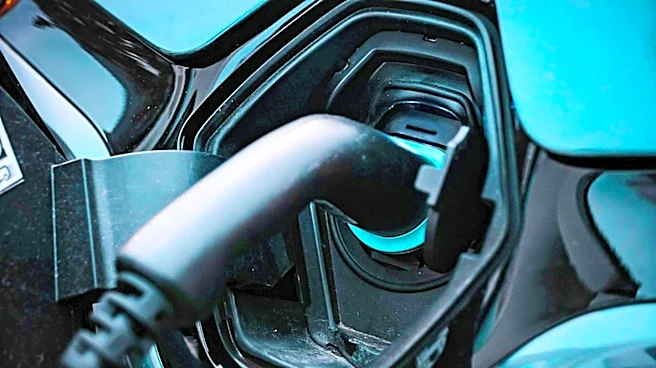
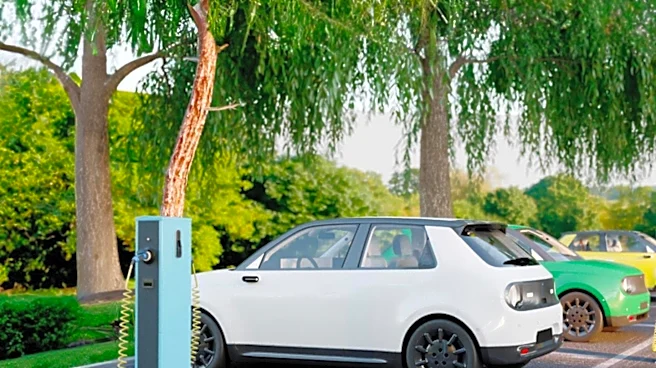
Tim Dowling recounts the challenges faced in installing an electric car charger at his home. Despite having an electric car, the installation of a fast charging point has been delayed due to complications with the proposed cable route and the need for
additional electrical work. The process involved multiple electricians and rescheduled appointments, highlighting the complexities and potential frustrations involved in setting up home charging infrastructure for electric vehicles.
Why It's Important?
The difficulties faced by Dowling in installing an electric car charger reflect broader challenges in the transition to electric vehicles. As more consumers adopt electric cars, the demand for home charging infrastructure will increase, potentially leading to similar logistical and technical issues. This situation underscores the need for streamlined processes and better coordination among service providers to support the growing electric vehicle market. It also highlights the importance of investing in infrastructure to facilitate the shift towards sustainable transportation.
What's Next?
As the demand for electric vehicles continues to rise, there will likely be increased pressure on electricians and service providers to improve the efficiency and reliability of charger installations. This may lead to the development of standardized procedures and training programs to address common issues. Additionally, policymakers and industry stakeholders may need to collaborate on initiatives to enhance the availability and accessibility of charging infrastructure, ensuring that consumers can transition to electric vehicles with minimal disruption.