






What's Happening?
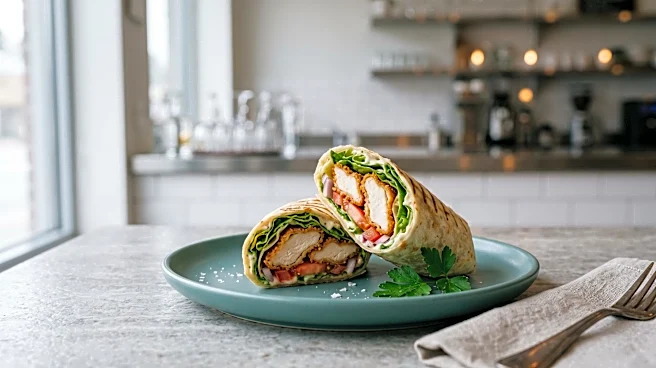
A nutritional comparison between Burger King's Royal Crispy Wrap and Sonic's two chicken wrap options, the Cheesy Baja Tender Wrap and the Garlic Parmesan Ranch Tender Wrap, reveals differences in sodium and fiber content. The American Heart Association
recommends a daily sodium intake of no more than 2,300 milligrams, with an optimal goal of 1,500 milligrams. Burger King's Royal Crispy Wrap contains 790 milligrams of sodium, falling within this guideline. In contrast, Sonic's Cheesy Baja Tender Wrap has 910 milligrams, and its Garlic Parmesan Ranch Tender Wrap contains 950 milligrams of sodium. Regarding fiber, the Harvard Medical School recommends 38 grams daily for men and 25 grams for women under 50. Burger King's wrap provides 4 grams of fiber, while both of Sonic's wraps offer only 2 grams. Despite these differences, all three wraps include beneficial ingredients like tomatoes, which are rich in vitamins and minerals, though these are often counterbalanced by less nutritious components such as hydrogenated oils.
Why It's Important?
This nutritional comparison is important for U.S. consumers seeking healthier fast-food options, as it highlights the varying health profiles of popular menu items. With growing public awareness of dietary guidelines, particularly concerning sodium and fiber intake, such information can influence consumer choices. Individuals aiming to manage their sodium consumption, especially those with cardiovascular concerns, may favor Burger King's option. Similarly, those looking to increase their fiber intake, which is crucial for digestive health and satiety, might also lean towards Burger King. The presence of less nutritious ingredients like hydrogenated oils in all options underscores a broader challenge in the fast-food industry: balancing taste and convenience with health. This comparison empowers consumers to make more informed decisions based on their dietary needs and health goals, potentially shifting demand towards chains offering more nutritionally balanced choices.
Beyond the Headlines
Beyond the immediate nutritional data, this comparison touches upon the broader trend of fast-food chains attempting to cater to health-conscious consumers while still delivering on taste and affordability. The inclusion of ingredients like hydrogenated oils, despite the presence of beneficial components like tomatoes, reflects the complex formulation challenges in the industry. These oils are known to negatively affect cholesterol and inflammation, raising questions about the overall health commitment of these menu items. This ongoing tension between perceived healthiness and actual nutritional value can lead to consumer confusion and skepticism. As public health guidelines evolve and consumer demand for transparency increases, fast-food companies may face pressure to reformulate their offerings, reducing unhealthy fats and sodium while boosting beneficial nutrients. This could drive innovation in ingredient sourcing and preparation methods, ultimately leading to a healthier fast-food landscape.