






What's Happening?
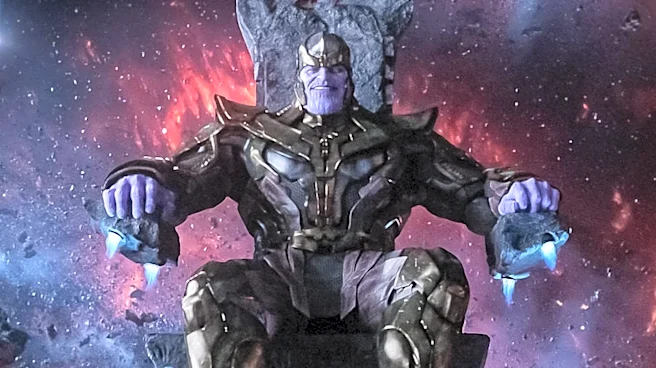
Josh Brolin is widely recognized for his role as Thanos in the Marvel Cinematic Universe (MCU), a character he first appeared as in 'The Avengers' (2012). Brolin provided both the voice and motion-capture performance for the Mad Titan in subsequent films,
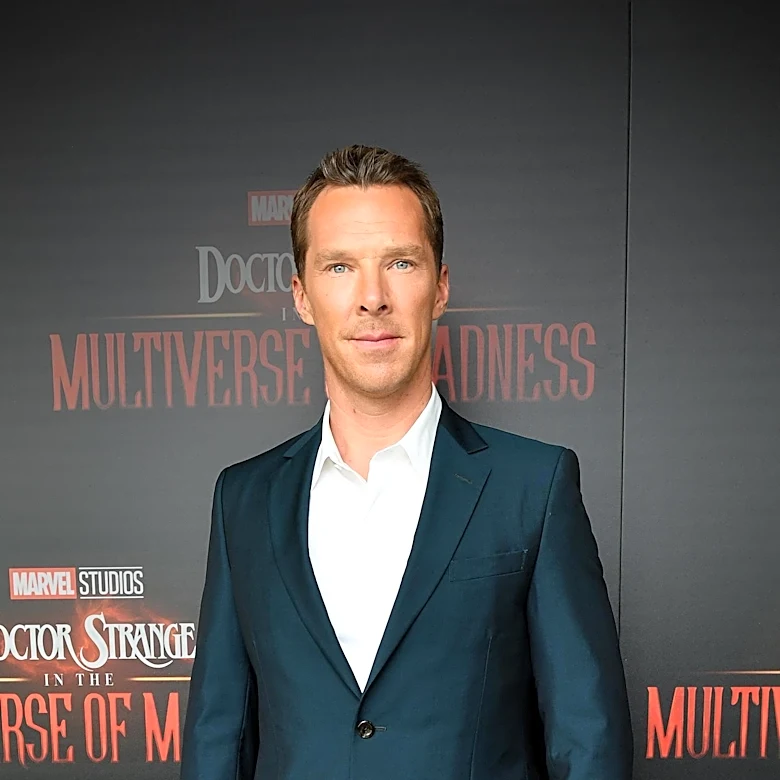
including 'Guardians of the Galaxy,' 'Avengers: Infinity War,' and 'Avengers: Endgame.' Thanos was established as the primary antagonist of Marvel's Infinity Saga, notably succeeding in his goal of eliminating half of all life in 'Avengers: Infinity War.' Despite his formidable presence, Thanos has experienced multiple deaths within the MCU. He dies twice in 'Avengers: Endgame,' first decapitated by Thor and later disintegrated by Iron Man. Beyond the main timeline, Thanos has met his end in various alternate realities. In 'Doctor Strange in the Multiverse of Madness,' an alternate version of Thanos is impaled by the Illuminati of Earth-838. The animated series 'What If...?' further explores his demise, depicting him as a zombie, split in half by Ultron, killed by Ronan, and snapped away by Killmonger. The series also features instances where his death is imminent, such as Gamora attacking him with a Melt Stick or Hela and Wenwu confronting him.
Why It's Important?
Josh Brolin's portrayal of Thanos was pivotal in establishing the character as one of the most iconic villains in cinematic history. His performance, combining voice acting with motion capture, brought a complex and imposing figure to life, anchoring the overarching narrative of the Infinity Saga. The character's impact extended beyond his initial defeat, as the exploration of his multiple deaths across the MCU's multiverse highlights the narrative flexibility and creative potential of the franchise. These alternate scenarios, particularly in 'What If...?', allow for diverse storytelling that recontextualizes the power and vulnerability of even the most formidable characters. This approach not only entertains audiences with varied outcomes but also deepens the understanding of the MCU's expansive lore and the concept of parallel realities. The repeated defeats of Thanos in different timelines underscore that even ultimate threats can be overcome through various means, offering different perspectives on heroism and conflict resolution within the Marvel universe.
What's Next?
While Thanos's primary narrative arc concluded with 'Avengers: Endgame,' the continued exploration of his character, particularly through Josh Brolin's performance, remains a significant part of the MCU's legacy. Future MCU projects, especially those delving deeper into the multiverse, could potentially revisit alternate versions of Thanos or explore the consequences of his actions in different realities. The success of 'What If...?' suggests a continued appetite for stories that deconstruct established characters and events, offering new perspectives on familiar narratives. Although there are no immediate announcements regarding Brolin reprising the role in a central capacity, the nature of the multiverse means that any character, including Thanos, could theoretically reappear in new forms or contexts. The character's enduring popularity and the impact of Brolin's performance ensure that Thanos will remain a benchmark for villainous portrayals in superhero cinema, influencing future character development and storytelling within the franchise.
Beyond the Headlines
Josh Brolin's embodiment of Thanos transcends a typical villainous role, delving into themes of existentialism, sacrifice, and the moral complexities of achieving a perceived greater good through extreme measures. The character's philosophical underpinnings, combined with Brolin's nuanced performance, sparked widespread debate among audiences about the nature of good and evil, and whether Thanos's motivations, however misguided, held any merit. The repeated deaths of Thanos across the multiverse also serve as a meta-commentary on narrative tropes and the cyclical nature of conflict in comic book adaptations. It demonstrates how even seemingly invincible characters can be deconstructed and reinterpreted, offering a fresh perspective on their impact and vulnerability. This narrative approach encourages viewers to consider the myriad possibilities within a fictional universe, challenging the notion of a single, definitive outcome and enriching the overall storytelling experience by exploring diverse ethical and existential questions.