




What's Happening?
Consumers in the beauty industry are increasingly demanding evidence-based claims and greater transparency from brands, moving away from reliance on dramatic promises and advertising. According to an opinion piece, there's a fundamental problem in confusing
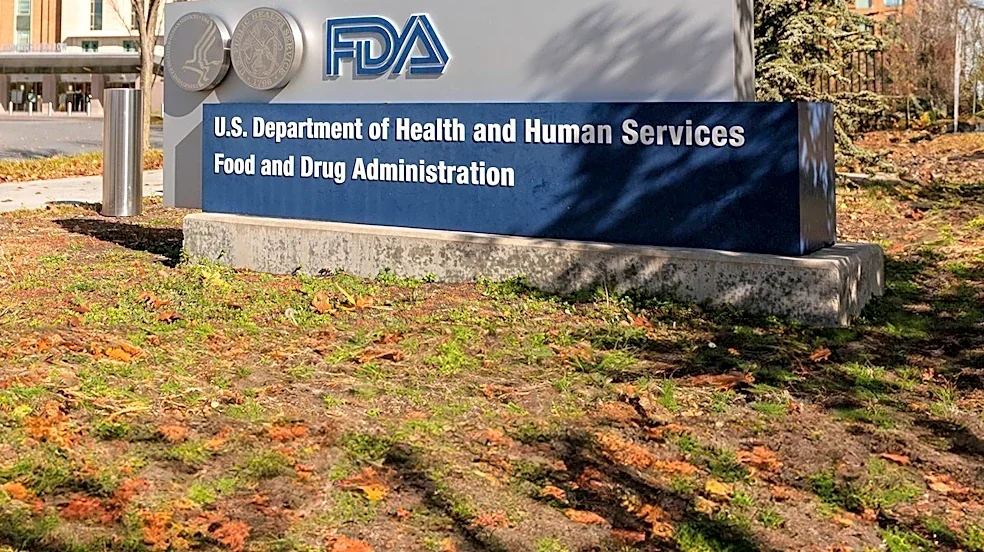
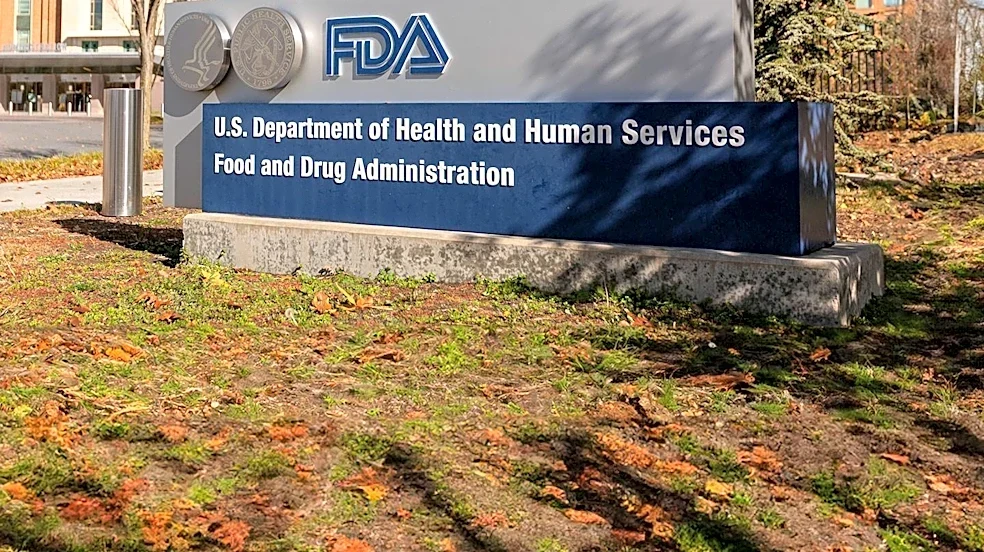
beauty with appearance, leading to consumers buying products in pursuit of an ideal look without sufficient information. The U.S. Food and Drug Administration (FDA) mandates that cosmetic claims must be truthful and not misleading, though cosmetics generally do not require FDA approval before market entry. This regulatory landscape places a significant responsibility on consumers to educate themselves and scrutinize product claims and ingredient labels. The American Academy of Dermatology notes that over 15,000 substances can cause allergic skin reactions, underscoring the importance of informed choices. The author, a licensed cosmetologist, emphasizes that price alone does not determine a product's quality or effectiveness, advocating for consumer education as a core part of the beauty conversation.
Why It's Important?
This growing demand for evidence and transparency is crucial for consumer protection and industry integrity. When consumers are misled by exaggerated claims, it can lead to wasted money, skin irritation, and a negative perception of their natural features. The lack of mandatory FDA pre-market approval for cosmetics means that brands have a significant ethical obligation to ensure product safety and efficacy. This shift empowers consumers to make healthier, more informed decisions, potentially reducing instances of adverse reactions and fostering a more realistic approach to beauty. For businesses, it necessitates a move towards scientific validation of product benefits and clear communication of ingredients and potential limitations. Brands that prioritize transparency and evidence are likely to build greater trust and loyalty with their customer base, setting a new standard for ethical marketing in the beauty sector.
What's Next?
The beauty industry is likely to see increased pressure for scientific backing of product claims and more detailed ingredient disclosures. This could lead to brands investing more in clinical trials and dermatological testing to substantiate their marketing messages. Regulatory bodies might face calls for stricter oversight or more comprehensive pre-market evaluations for cosmetic products, aligning more closely with pharmaceutical standards. Consumer advocacy groups will likely continue to push for greater transparency and education, empowering individuals to critically assess beauty products. We may also see a rise in third-party certifications or independent review platforms that provide unbiased assessments of product efficacy and safety. Brands that fail to adapt to this demand for evidence-based claims and transparency risk losing consumer trust and market share to more credible competitors.
Beyond the Headlines
The push for evidence-based beauty extends beyond product efficacy; it touches upon deeper societal issues related to self-worth and body image. When consumers are constantly bombarded with promises of 'perfect' skin or 'ageless' appearance, it can foster insecurity and a perception that natural features are flaws to be corrected. By demanding evidence, consumers are implicitly challenging the often-unrealistic beauty standards perpetuated by advertising. This movement encourages a more critical approach to beauty consumption, promoting self-acceptance and a focus on skin health rather than superficial perfection. It also highlights the ethical responsibility of the beauty industry to not exploit insecurities but rather to provide products that genuinely support well-being. This cultural shift could lead to a more mindful and sustainable approach to beauty, where informed choices and genuine self-care take precedence over aspirational, often unattainable, ideals.