



What's Happening?
Rivian Automotive is embroiled in a class-action lawsuit filed by early customers who allege the company falsely promised self-driving capabilities for its R1T trucks and R1S SUVs. The lawsuit, filed in the U.S. District Court for the Central District of
California, claims Rivian marketed its Driver+ system as a standard feature capable of Level 3 autonomy, which allows for hands-free driving in certain conditions. However, the plaintiffs argue that the vehicles' hardware was never capable of supporting such features, and Rivian continued to promote these capabilities despite knowing they were unattainable. The lawsuit accuses Rivian of fraud, negligent misrepresentation, and unjust enrichment, seeking a jury trial to address these claims.
Why It's Important?
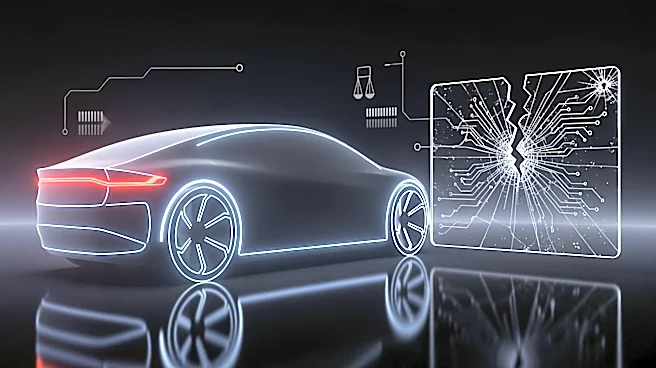
This lawsuit highlights significant challenges in the automotive industry regarding the marketing of autonomous driving technologies. If the plaintiffs succeed, it could set a precedent affecting how automakers advertise self-driving features, potentially leading to stricter regulations and increased scrutiny. The case also underscores the growing consumer demand for transparency and accountability in the promises made by automakers, especially as the industry moves towards more advanced vehicle technologies. A ruling against Rivian could impact its reputation and financial standing, as well as influence consumer trust in emerging automotive technologies.
What's Next?
The outcome of this lawsuit could have far-reaching implications for Rivian and the broader automotive industry. If the case proceeds to trial, Rivian may need to publicly defend its marketing practices and the technical capabilities of its vehicles. This could lead to increased regulatory oversight and possibly inspire similar lawsuits against other automakers. Additionally, the case may prompt Rivian to reassess its marketing strategies and product development processes to ensure compliance with consumer protection laws and maintain customer trust.