
What's Happening?
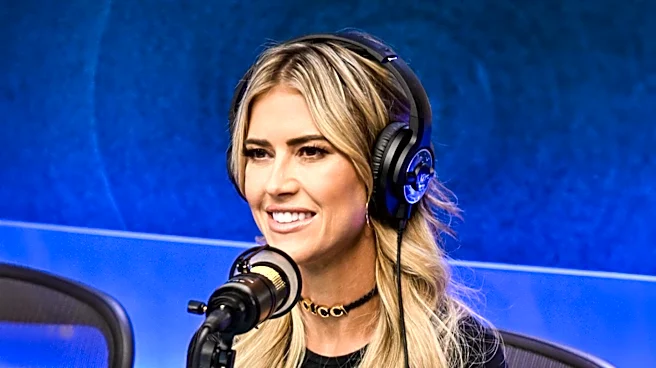
Mel Robbins, a personal growth expert, highlighted a common error in relationships: the tendency to expect others to change or know better, rather than focusing on one's own capacity for change. In a recent
episode of The Mel Robbins Podcast, she asserted that individuals possess power, influence, and control in all their relationships. By altering one's attitude, approach, time commitment, or communication style, individuals can create conditions for positive change. Robbins stressed that assuming others 'should' act a certain way leads to stress and frustration, as people cannot read minds. She advised against waiting for others to change, advocating instead for self-driven transformation to improve one's life. This perspective underscores the importance of internal locus of control in navigating interpersonal dynamics.
Why It's Important?
This emphasis on personal responsibility in relationships holds significant importance for individuals and society. By shifting the focus from external expectations to internal actions, Robbins's advice can empower individuals to take a more proactive role in improving their personal connections. This approach can reduce conflict and foster healthier communication, as it encourages clear expression of needs and boundaries rather than relying on unspoken assumptions. In a broader societal context, promoting self-awareness and personal accountability in relationships can contribute to more resilient families, stronger communities, and a reduction in interpersonal friction. It challenges the common tendency to blame others for relational issues, instead offering a pathway for individual growth that can ripple outwards to positively impact various social structures.
What's Next?
Individuals who resonate with Robbins's message may seek to apply these principles in their daily interactions, potentially leading to shifts in how they communicate and engage with others. This could involve practicing more direct communication, setting clearer boundaries, and consciously adjusting their own reactions to challenging situations. The continued popularity of The Mel Robbins Podcast suggests an ongoing public interest in personal development and relationship advice, indicating that these themes will likely continue to be explored and discussed in future episodes and related content. The broader self-help industry may also see an increased focus on personal accountability as a core tenet for improving interpersonal relationships, influencing future books, workshops, and online resources.
Beyond the Headlines
The underlying implication of Robbins's message extends to a deeper philosophical understanding of agency and control in human experience. By asserting that individuals have power and influence in their relationships through their own actions, she touches upon the concept of self-efficacy and the ability to shape one's reality. This perspective can be particularly impactful in a culture that sometimes leans towards externalizing blame or feeling victimized by circumstances. Ethically, it promotes a sense of empowerment and self-determination, encouraging individuals to actively construct their relational well-being rather than passively waiting for others to conform to their expectations. This shift in mindset can foster greater emotional resilience and a more constructive approach to navigating the complexities of human connection.