






What's Happening?
The U.S. office market is experiencing a recovery, with CoStar projecting a net occupancy gain of approximately 10 million square feet over the next year. However, this recovery is not uniform; it is concentrated in high-quality, well-located Class A
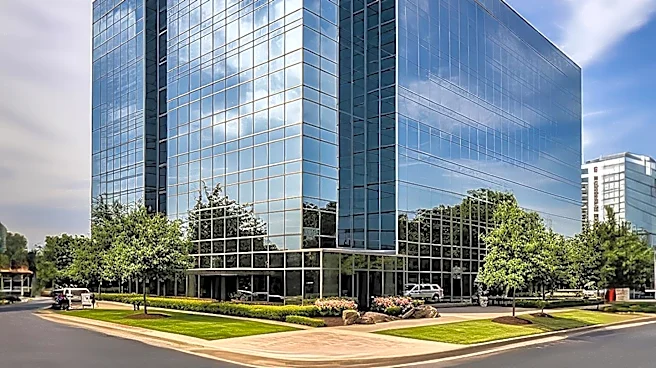
buildings, particularly in high-growth Sun Belt metropolitan areas such as Dallas, Charlotte, Nashville, and Phoenix. In these markets, parking is emerging as a significant differentiator for office properties. While amenities like lobbies, fitness centers, and food halls typically receive more attention, the tenant's daily experience often begins and ends with parking. In Sun Belt cities, where car commuting is prevalent due to lower transit shares compared to dense coastal markets, a seamless and technologically advanced parking experience is becoming a crucial factor in tenant satisfaction and building economics. This trend highlights a widening gap between top-tier assets and other properties in the office real estate sector.
Why It's Important?
The emphasis on parking as a competitive advantage in Sun Belt office markets has several important implications. For tenants, especially in regions where driving is the primary mode of transport, a superior parking experience can be a deciding factor when choosing between comparable Class A office spaces. This makes parking a tangible benefit that leasing teams can leverage. For building owners, parking is transforming from a perceived cost center into a potential revenue generator. By implementing advanced pricing tools and access control systems, owners can convert demand into net operating income (NOI), rather than relying on static rate cards. Furthermore, the quality of a building's parking infrastructure can signal its overall operational excellence. A modern, frictionless garage system, for instance, suggests a well-managed property, while outdated systems can create a negative impression, potentially undermining other investments in amenities. This shift underscores the evolving demands of the office market and the need for owners to consider all aspects of the tenant experience.
What's Next?
Forward-looking office building owners in the Sun Belt are expected to continue modernizing their parking operations. This involves moving away from traditional ticket-and-gate systems to license-plate-based, gateless access. They are also adopting dynamic pricing strategies that can be adjusted in real-time to match market rhythms, rather than using static rates. Additionally, providing tenants with digital tools to manage employee and visitor parking directly will become more common. Owners will also demand real-time visibility into parking revenue, moving beyond monthly summaries from legacy operators. This modernization aims to ensure that the parking experience reinforces the 'flight-to-quality' trend, where tenants are increasingly seeking out the best assets. Buildings that successfully integrate advanced parking solutions are likely to secure more leases and generate higher NOI, while those that do not adapt may struggle to compete effectively in these growing markets.
Beyond the Headlines
The evolving role of parking in the Sun Belt office market reflects a broader trend in commercial real estate: the increasing importance of user experience and operational efficiency in attracting and retaining tenants. This development highlights how even seemingly minor amenities can become critical differentiators in a competitive market. Ethically, this trend could lead to a greater focus on accessibility and convenience for all commuters, potentially influencing urban planning and infrastructure development in these rapidly growing regions. Economically, the ability to monetize parking more effectively could enhance property valuations and investment returns for owners who embrace these changes. Culturally, it underscores the continued reliance on personal vehicles in many U.S. cities, particularly in the Sun Belt, and the need for real estate solutions that cater to this reality. This specialization and focus on tenant-centric services are likely to shape the future of office space design and management.