



What's Happening?
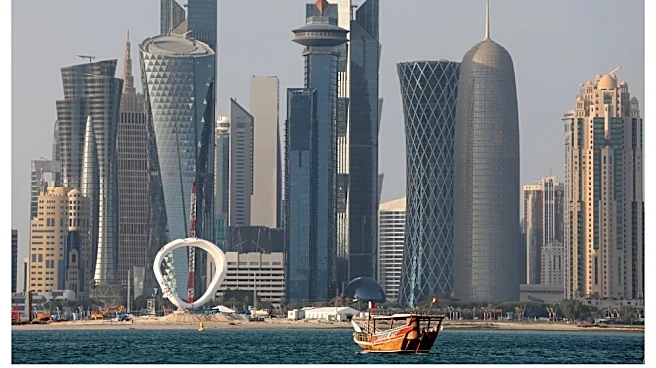
The Doha Film Festival has commenced in Doha, Qatar, showcasing 104 films from 60 countries until November 27. The festival opened with the regional premiere of "The Station," a debut feature by Yemeni-Scottish director Sara Ishaq, which is set in wartime
Yemen and focuses on women operating a gas station. The event, organized by the Doha Film Institute, will feature 17 worldwide premieres and 48 Middle East and North Africa premieres. The lineup includes 11 productions supported by the Doha Film Institute and seven films directed by women. Competitions are organized into four categories: international feature, international short, Qatari productions, and Ajyal, a section for young people aged 16 to 25. This year also introduces Cinema Alkhaleej, a program dedicated to film production from Gulf countries. Over $300,000 in prizes will be awarded, and the festival will host conversations with directors, industry sessions, youth programs, music performances, and cultural events.
Why It's Important?
This film festival serves as a significant platform for independent cinema, particularly for films from the Middle East and North Africa, offering them international exposure. By featuring a substantial number of films directed by women and productions supported by the Doha Film Institute, the festival actively promotes diverse voices and narratives that might otherwise struggle to find a global audience. The inclusion of "The Station," a film exploring solidarity among women in a war-torn region, highlights the festival's commitment to showcasing stories with social relevance and human depth. The introduction of Cinema Alkhaleej further strengthens regional film industries by providing a dedicated space for Gulf productions. For U.S. audiences and filmmakers, such festivals offer a window into different cultures and cinematic approaches, potentially influencing future collaborations and broadening perspectives on global storytelling.
What's Next?
The Doha Film Festival will continue through November 27, with ongoing screenings, competitions, and cultural events. Following the festival, the award-winning films and those that premiered will likely gain increased visibility, potentially leading to distribution deals, further festival appearances, and broader international recognition. The conversations with directors and industry sessions are expected to foster networking and collaboration within the global film community. The insights and themes explored in the films, particularly those addressing social issues and diverse cultural experiences, may contribute to ongoing dialogues about global events and human conditions. The success of this year's festival could also influence future programming and support for independent cinema in the region and internationally.
Beyond the Headlines
The Doha Film Festival's emphasis on films from diverse countries and those directed by women underscores a broader global trend towards inclusivity and representation in the arts. By providing a platform for stories from war zones and focusing on themes like solidarity and resilience, the festival contributes to a more nuanced understanding of complex geopolitical realities. The cultural exchange facilitated by such events can help bridge divides and foster empathy across different societies. Furthermore, the financial support and exposure offered to independent filmmakers, especially those from underrepresented regions, are crucial for the sustainability and growth of diverse cinematic voices. This commitment to authentic storytelling challenges conventional narratives and enriches the global cultural landscape, promoting a more interconnected and understanding world through the medium of film.