







What's Happening?
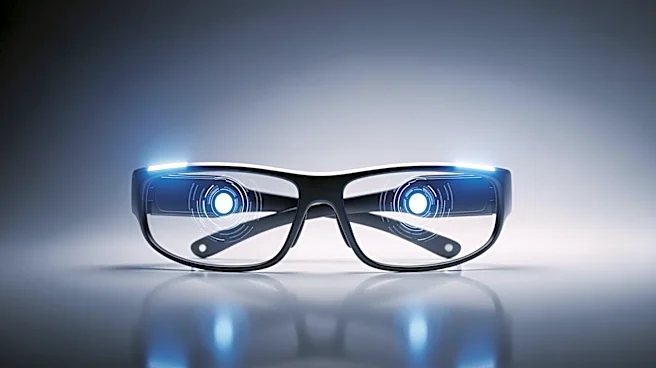
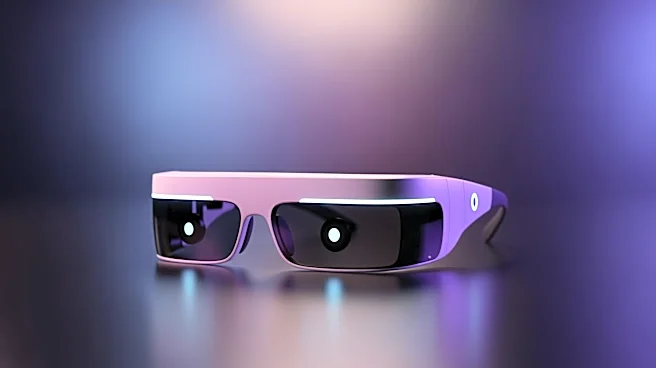
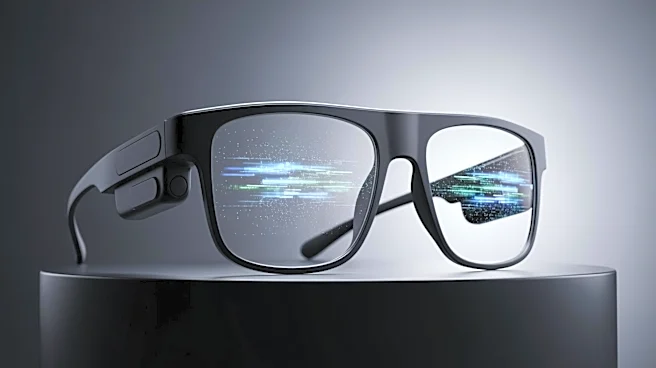
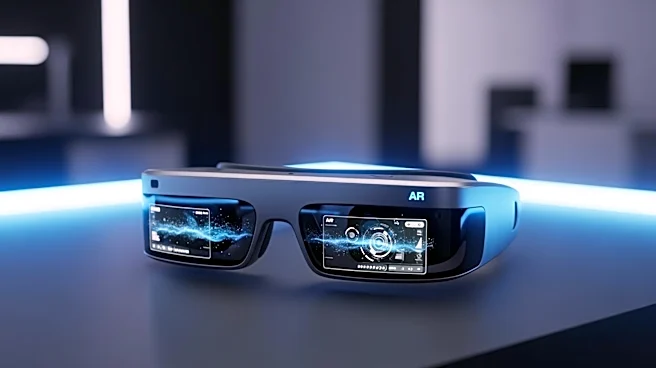
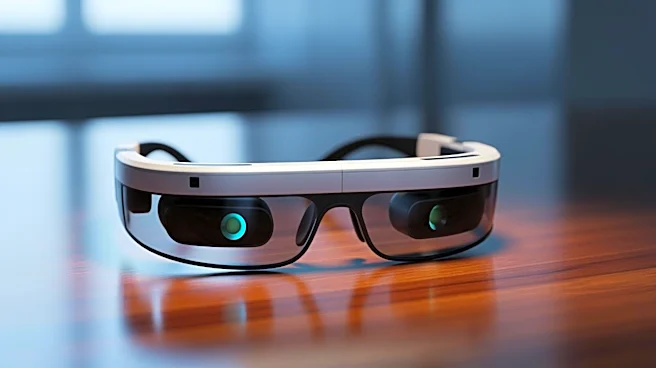
Snap has launched its new consumer Specs, priced at $2,195, targeting early adopters interested in augmented reality (AR) technology. This move is part of a broader trend where major brands are pushing AR hardware and applications into the mainstream.
Alongside Snap's launch, EssilorLuxottica has partnered with Applied Materials to enhance glasses manufacturing, potentially reducing production bottlenecks. These developments are part of six key AR advancements in 2026 that could reshape consumer interaction with technology, moving AR from niche demonstrations to everyday use. The partnership aims to leverage EssilorLuxottica's eyewear scale with Applied Materials' display technology to accelerate lens production, which is crucial for the widespread adoption of AR glasses.
Why It's Important?
These advancements in AR technology are significant as they represent a potential shift in how consumers interact with digital content. By making AR more accessible and practical, companies like Snap and EssilorLuxottica are paving the way for AR to become a daily interface for millions. This could impact various sectors, including retail, where AR glasses could enhance shopping experiences, and social media, where AR features could become integral to user interaction. The success of these products could lead to increased investment in AR technology, further driving innovation and potentially lowering costs, making AR accessible to a broader audience.
What's Next?
The next steps involve monitoring consumer response to Snap's Specs and the effectiveness of the EssilorLuxottica and Applied Materials partnership in streamlining production. If successful, these developments could lead to more affordable AR glasses and increased adoption across different demographics. Additionally, other tech companies may follow suit, leading to a competitive market for AR wearables. Stakeholders, including developers and retailers, will likely focus on creating compelling AR content and ensuring practical integration into existing retail and social media platforms.
Beyond the Headlines
The integration of AR into everyday life raises questions about privacy and data security, as these devices could potentially collect vast amounts of personal data. There are also cultural implications, as AR technology could change how people interact with their environment and each other. Long-term, this could lead to shifts in social norms and behaviors, as well as new ethical considerations regarding the use of AR in public and private spaces.