






What's Happening?
The automotive industry in 2026 has seen a range of new models that emphasize efficiency, innovation, and value. Among the standout vehicles are the 2026 Toyota Camry, known for its affordability and fuel efficiency, and the 2027 Kia Telluride, which
offers a redesigned, spacious SUV experience. The Genesis G90 has emerged as a luxury leader with its refined interior and powerful engine. The GMC Yukon Denali Ultimate provides comfort and advanced features, while the Subaru Outback offers reliability and affordability. These models reflect the industry's focus on hybrid technology, spacious designs, and competitive pricing.
Why It's Important?
The selection of these top cars highlights key trends in the automotive industry, such as the growing demand for hybrid vehicles and the importance of value-driven models. As consumers prioritize fuel efficiency and affordability, manufacturers are responding with innovative designs and competitive pricing. The emphasis on spacious and comfortable interiors indicates a shift towards vehicles that cater to lifestyle needs, such as family travel and long road trips. These trends may influence future vehicle designs and marketing strategies, as manufacturers aim to balance luxury features with practical benefits.
What's Next?
The automotive industry is likely to continue focusing on hybrid and electric models, driven by consumer demand and regulatory pressures for sustainable transportation. Manufacturers may invest in advanced technologies to enhance vehicle efficiency and connectivity, such as improved infotainment systems and autonomous driving features. As competition intensifies, brands will need to differentiate their offerings through unique designs and value propositions. The success of models like the Toyota Camry and Kia Telluride may inspire other manufacturers to prioritize affordability and efficiency in their future releases.
Beyond the Headlines
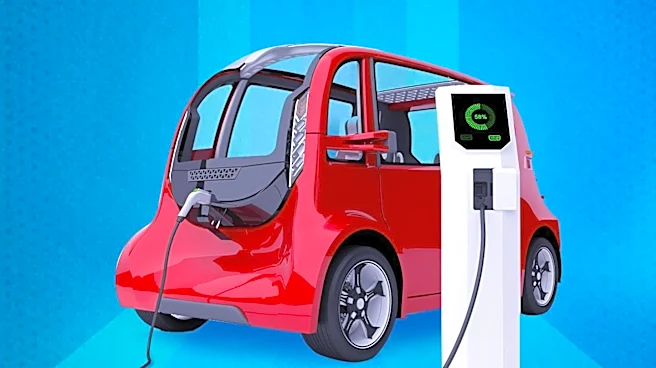
The rise of hybrid and electric vehicles raises questions about the environmental impact of battery production and disposal. As the industry shifts towards sustainable models, manufacturers must address the lifecycle of vehicle components and their ecological footprint. The focus on spacious and comfortable designs reflects broader cultural trends towards lifestyle-oriented transportation, influencing consumer expectations and preferences. The industry's evolution may also impact urban planning and infrastructure, as cities adapt to accommodate new vehicle technologies and increased demand for charging stations.