





What's Happening?
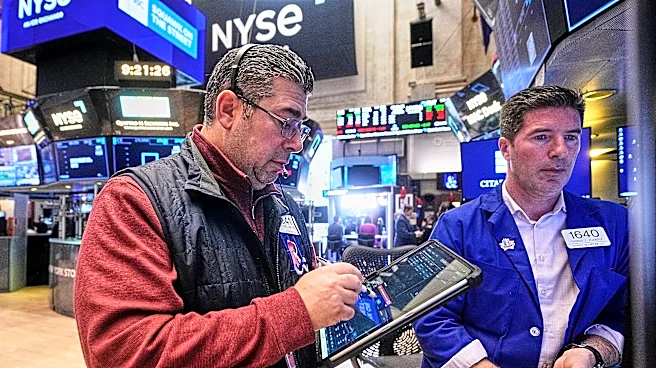
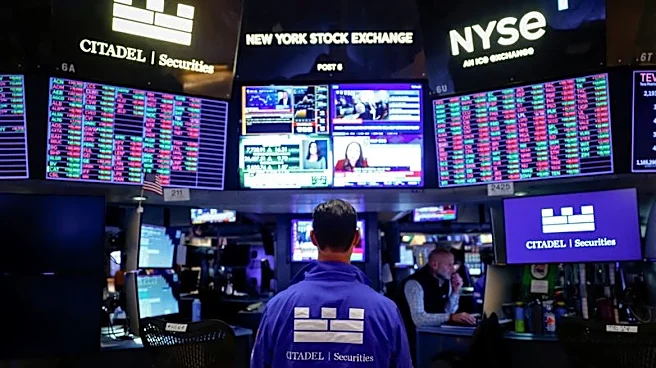
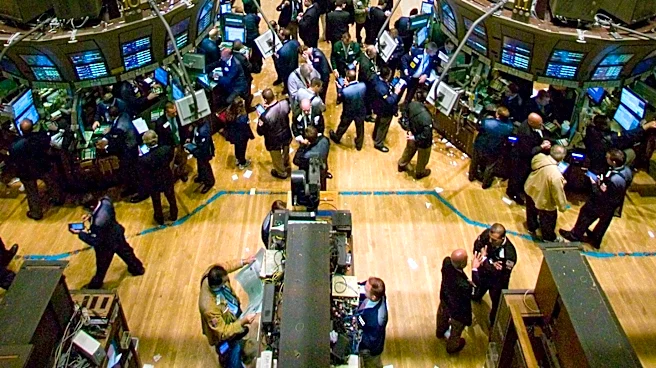
Nasdaq and NYSE Arca are set to launch near 24-hour stock trading, extending their sessions from 9 p.m. Sunday to 8 p.m. Friday, with a one-hour pause Monday through Thursday. This expansion, scheduled for December 6, 2026, will add a night session from 9 p.m. to 4 a.m.
ET. The move is contingent on SEC approvals, the readiness of Securities Information Processors (SIPs), and modernization efforts by the Depository Trust and Clearing Corporation (DTCC). While overnight trading already exists through alternative trading systems (ATSs) like Robinhood's 24 Hour Market and Schwab's 24/5 trading, the December 6 change marks the entry of registered exchanges into this extended-hours environment. WilmerHale, a law firm, has issued a client alert indicating that the SEC has conditionally approved 23-hour trading on five exchanges: 24X, Cboe EDGX, MEMX, Nasdaq, and NYSE Arca, with SIP readiness being a key condition. The new sessions will primarily accept limit orders, and Nasdaq will cancel any unfulfilled orders at 4 a.m. The official closing prices will continue to be determined by the 4 p.m. auction.
Why It's Important?
The introduction of near 24-hour trading on major U.S. stock exchanges represents a significant shift in market accessibility and dynamics. This change could particularly benefit international investors, especially those in time zones like Korea, where the new session will align with their working day. For U.S. investors, it offers the ability to react to global news and events outside traditional market hours, potentially reducing the impact of overnight shocks. However, the extended hours also present challenges, including potentially lower liquidity and wider bid-ask spreads for less active stocks, as highlighted by FINRA warnings. The concentration of trading in a few active stocks during overnight sessions, as observed in August 2026 data, suggests that not all securities will experience the same level of activity or price efficiency. The reliance on limit orders and the cancellation of unfulfilled orders on Nasdaq emphasize the need for investors to understand the new trading rules and their brokers' policies.
What's Next?
The implementation of near 24-hour trading on December 6, 2026, is subject to the final readiness of SIPs and regulatory approvals. Nasdaq's pre-production period, including test symbols and weekend test dates in November and December, indicates ongoing preparations. Investors will need to monitor their brokers' offerings, as access to the new sessions will depend on individual broker-dealer participation and their specific policies regarding order types, hours, and products. The exchanges plan to apply existing 'clearly erroneous' execution standards to the overnight sessions, but the final rules regarding reviews of such executions are still being settled. The initial launch will not include options trading, with NYSE only having filed for extended options hours. The market will likely see an adjustment period as participants adapt to the new trading schedule and its implications for liquidity, price discovery, and risk management.
Beyond the Headlines
The shift to near 24-hour stock trading could have profound long-term implications for market structure and investor behavior. It blurs the lines between traditional trading hours and extended sessions, potentially leading to a more continuous and globally integrated market. This continuous trading environment might necessitate changes in how market data is consumed and analyzed, as well as how investment strategies are formulated. The increased accessibility could also raise questions about investor protection, particularly concerning retail investors who might be less equipped to navigate the complexities of a less liquid, extended-hours market. Furthermore, the experience of past overnight trading failures, such as the Blue Ocean ATS shutdown in 2024, underscores the importance of robust infrastructure and regulatory oversight to ensure market stability and investor confidence in this expanded trading landscape. The move could also accelerate the adoption of automated trading systems and algorithms designed to operate around the clock.