




What's Happening?
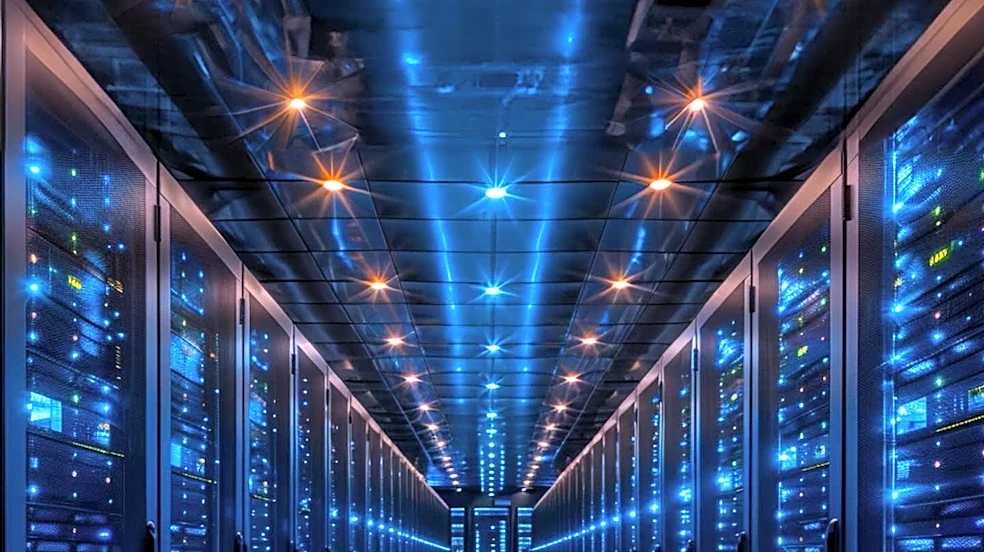
The rapid expansion of Artificial Intelligence (AI) and high-performance computing is dramatically increasing the size and density of data centers, making power quality a mission-critical concern. Data centers are experiencing a significant surge in electricity
consumption, with roughly 40% typically allocated to cooling systems. High-performance computing chips are extremely sensitive to heat, requiring precise thermal conditions for reliable operation. Poor power quality, characterized by issues like electrical harmonics, voltage instability, and electrical noise, can lead to equipment overheating, reduced efficiency, accelerated wear and tear, and increased risk of downtime. The National Institute of Standards and Technology (NIST) emphasizes the importance of robust resilience planning to mitigate operational risks from power disruptions in critical facilities.
Why It's Important?
Maintaining high power quality is essential for the reliability and efficiency of modern data centers, which underpin critical services from cloud computing and financial systems to healthcare and logistics. Power quality issues can cascade across various systems, from HVAC and server rooms to individual server racks, compromising overall performance and availability. The introduction of Variable Frequency Drives (VFDs) and Electronically Commutated (EC) fans in HVAC systems, while improving efficiency, also introduces electrical harmonics that can cause overheating and interference. As data centers adopt liquid cooling solutions for next-generation AI and GPU servers, the VFDs in Cooling Distribution Units (CDUs) further contribute to power quality degradation. Any disruption can lead to significant financial losses, data corruption, and service outages, impacting businesses and users worldwide.
What's Next?
Data centers must proactively address power quality across all critical areas, including HVAC systems, server rooms, rack enclosure rows, and individual server racks. This involves implementing solutions to mitigate harmonics, stabilize voltage, and reduce electrical noise. As AI and high-density computing continue to evolve, data center operators will need to invest in advanced power quality management technologies and robust electrical infrastructure. The industry will likely see increased adoption of specialized equipment designed to filter out electrical disturbances and ensure a clean, stable power supply. Continuous monitoring and predictive maintenance will also become more prevalent to identify and address potential power quality issues before they lead to critical failures, ensuring the uninterrupted operation of essential digital infrastructure.
Beyond the Headlines
The escalating power demands and stringent power quality requirements of data centers highlight a broader challenge in the digital age: the environmental and infrastructural impact of technological advancement. The energy consumption of data centers is a significant contributor to global electricity demand, raising questions about sustainability and the carbon footprint of AI. The need for pristine power quality also points to the intricate interdependencies within modern technological ecosystems, where a seemingly minor electrical disturbance can have far-reaching consequences. This situation may drive innovation in energy-efficient hardware, advanced cooling techniques, and decentralized data processing to reduce overall energy strain. It also underscores the critical role of electrical engineering and power management in supporting the foundational infrastructure of the digital economy, pushing for more resilient and sustainable designs.