






What's Happening?
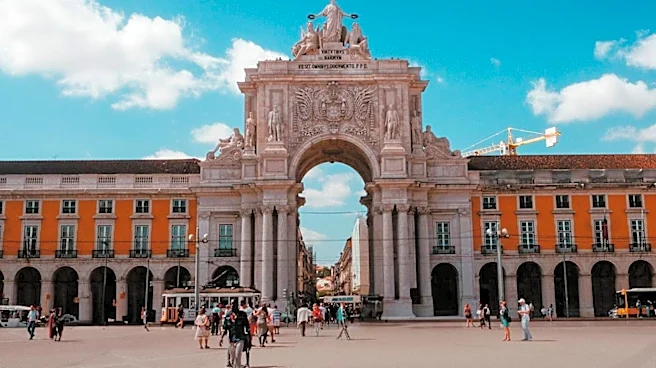
Lisbon, Portugal, has been recognized as the global leader in holiday happiness, according to the Holiday Happiness Index published by BookRetreats. This comprehensive index evaluated 47 worldwide destinations based on specific lifestyle and environmental
criteria scientifically proven to enhance human happiness. The research, formulated in collaboration with Dr. Natalie Dattilo-Ryan, a clinical psychologist and holistic wellness expert at Harvard University, moved beyond subjective feelings to focus on measurable triggers such as exposure to sunlight, mental benefits of walkability, abundance of green space, opportunities for deep sleep, and access to healthy gastronomy. Lisbon secured the top position with a maximum score of 10, surpassing Helsinki, Finland, which scored 9, and Orlando, Florida, which ranked third with a score of 8. The Portuguese capital is lauded for its 'alchemical mixture' of elements that contribute to well-being, including a high percentage of restaurants offering healthy dining (10%), its highly walkable topography with seven hills providing panoramic views, and an impressive 49 square meters of green space per person. Additionally, Lisbon benefits from approximately 2,828 hours of annual sunshine, contributing to its appeal as a mood-boosting destination.
Why It's Important?
This recognition of Lisbon as the happiest holiday destination signifies a shift in the global tourism industry towards 'Vitality Tourism.' This new trend emphasizes travel experiences that aim to improve travelers' brain chemistry and overall well-being, rather than just providing sightseeing opportunities. Portugal is actively leveraging this ranking to reshape its economy, moving away from mass tourism to curate a high-value, restorative travel industry. This strategy has already yielded significant results, with the country welcoming nearly 2.5 million inbound wellness trips in a single year, as per Global Wellness Institute data. The focus on wellness retreats, digital detoxes, medicinal spas, and health-focused gastronomy in regions like Alentejo, Azores, and Vicentine Coast indicates a strategic pivot. For the U.S. tourism industry, this trend suggests a need to adapt and potentially incorporate more wellness-oriented offerings to remain competitive in a global market increasingly prioritizing health and well-being in travel choices. Destinations like Orlando, which ranked third, could further integrate wellness aspects to enhance their appeal beyond traditional entertainment.
What's Next?
Portugal plans to further capitalize on its top ranking by actively promoting 'Vitality Tourism' and implementing strategies to ensure sustainable growth. The Portuguese government and its tourism boards are investing in targeted campaigns, such as 'Portugal, an unwritten recipe' to solidify its gastronomic identity, and 'Tourism is made of people' to enhance the human element of hospitality. A significant €16 million tourism investment plan is dedicated to sustainable growth, aiming to disperse tourists from congested urban centers like Lisbon to lesser-known rural and nature-rich regions. This initiative seeks to spread economic benefits while preserving the capital's stress-free environment. Furthermore, Portugal is targeting 'workcationers' and digital nomads from colder European countries, leveraging its abundant sunshine to attract year-round visitors and combat seasonal depression. This proactive approach suggests a continued focus on high-value, health-conscious tourism, potentially influencing other countries to adopt similar strategies to attract the evolving traveler demographic.
Beyond the Headlines
The emergence of 'Vitality Tourism' as a dominant trend reflects a deeper societal shift towards prioritizing mental and physical well-being, even during leisure travel. This goes beyond superficial relaxation, aiming for measurable biological and psychological benefits. The distinction between 'Holiday Happiness' and 'Everyday Life Contentment' highlighted in the index is crucial; while countries like Finland excel in long-term civic satisfaction due to strong social safety nets, Portugal's immediate sensory-driven relief caters to the short-term needs of weary travelers. This trend could lead to a re-evaluation of urban planning and tourism development globally, with a greater emphasis on walkability, green spaces, healthy food options, and opportunities for physical activity. The scientific backing of the Holiday Happiness Index, developed with a Harvard University expert, lends credibility to these criteria, potentially influencing future investment in infrastructure and services that promote well-being in tourist destinations worldwide. This also raises ethical considerations regarding how destinations market 'happiness' and ensure equitable access to these revitalizing experiences.