

What's Happening?
Mat Ishbia, owner of the Phoenix Suns and Phoenix Mercury, is experiencing significant financial pressure due to the declining value of United Wholesale Mortgage (UWM), the company he leads. Ishbia pledged approximately 805 million shares of UWM stock
as collateral for loans from JPMorgan, which financed his $4 billion acquisition of the Suns and Mercury in 2023. At the time of the purchase, these shares were valued at around $4.6 billion, but their value has since fallen to roughly $1.15 billion. This substantial drop raises concerns about the adequacy of the collateral. Furthermore, UWM recently reported a $451.9 million net loss for the second quarter and has suspended its common dividend. This dividend suspension is particularly notable as the Ishbia family had received over 80% of the approximately $3 billion in dividends and distributions paid by UWM since 2021. The company is now prioritizing debt reduction and strengthening its balance sheet, including a $2.05 billion strategic capital partnership with Oaktree Capital Management.
Why It's Important?
The financial challenges faced by Mat Ishbia highlight the increasing capital requirements for owning professional sports franchises, particularly in the NBA. The significant decrease in the value of his primary business, UWM, directly impacts his personal financial stability, which is closely tied to his ownership of the Phoenix Suns and Mercury. While there is no immediate indication that Ishbia will be forced to sell the teams, the situation has drawn scrutiny to his financial position. The reliance on complex financing arrangements and the pledging of personal assets for team acquisitions expose owners to market fluctuations. This scenario underscores the broader trend in professional sports where team valuations are soaring, making ownership more exclusive and financially demanding. The potential for a margin call from lenders like JPMorgan, should the collateral value fall further, could create a ripple effect, potentially impacting the team's operational stability and future investments, despite the Suns themselves not currently losing money.
What's Next?
UWM's recent strategic capital partnership with Oaktree Capital Management and the suspension of its common dividend are immediate steps taken to shore up the company's finances. These actions aim to reduce debt, improve liquidity, and strengthen the balance sheet, which could indirectly alleviate some pressure on Ishbia's personal financial standing. However, the long-term stability of UWM's stock value will remain a critical factor. The NBA's approval process for such significant financial arrangements and ownership changes will also be closely watched. While there is no current indication of an imminent sale of the Suns or Mercury, the ongoing financial scrutiny of Ishbia's business empire means that any further significant decline in UWM's stock or new financial challenges could lead to increased speculation about the future ownership of the franchises. Ishbia's ability to navigate these financial headwinds will determine his capacity to continue his ambitious plans for the Suns, which previously included aggressive spending on player acquisitions.
Beyond the Headlines
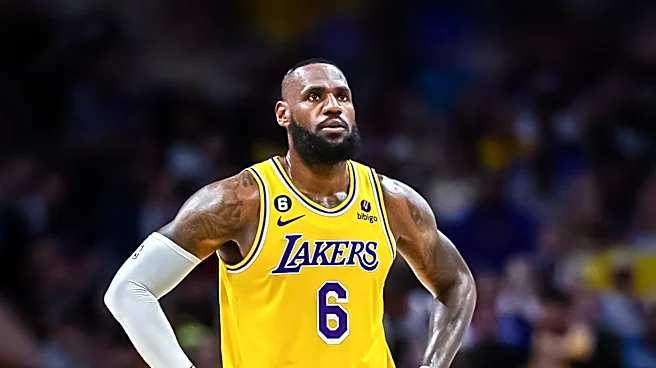
This situation extends beyond the immediate financial health of Mat Ishbia and UWM, touching upon the broader economic landscape of professional sports ownership. The escalating valuations of NBA franchises, exemplified by the Los Angeles Lakers' recent $12.5 billion sale, illustrate a market where team ownership is becoming increasingly concentrated among ultra-wealthy individuals and investment groups. This trend raises questions about the sustainability of such high valuations and the potential risks associated with highly leveraged acquisitions. The case of Ishbia also highlights the interconnectedness of personal wealth, corporate performance, and sports team ownership, where the fortunes of one can directly influence the others. It underscores the ethical considerations for team owners whose primary businesses might face financial difficulties, potentially impacting their ability to invest in and manage their sports assets. The aggressive spending and high ambitions often seen with new owners, like Ishbia's initial approach with the Suns, can be tempered by real-world financial constraints, leading to shifts in team strategy and roster construction.