

What's Happening?
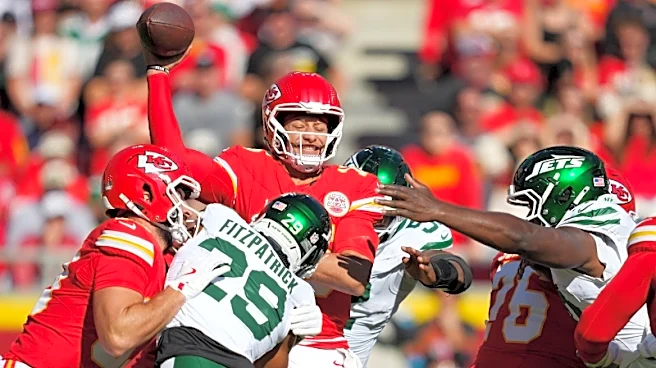
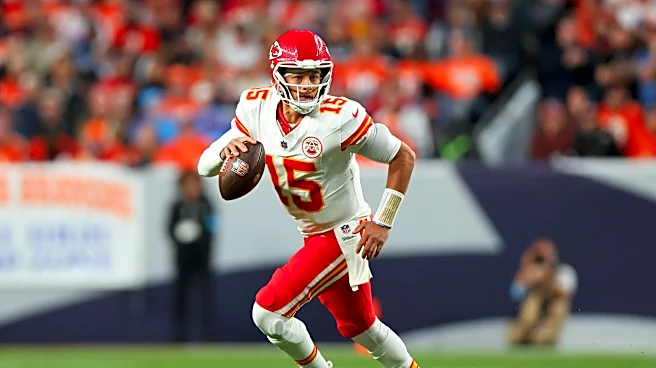
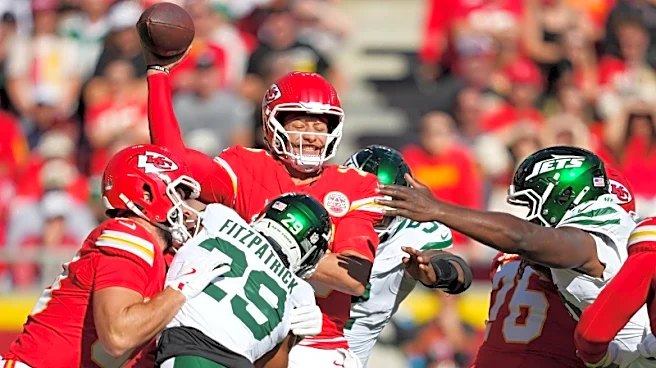
The Kansas City Chiefs attempted their first quarterback sneak in over three years during their Week 9 game against the New York Jets, which resulted in an immediate fumble. On a third-and-1 play in the first quarter, backup quarterback Justin Fields
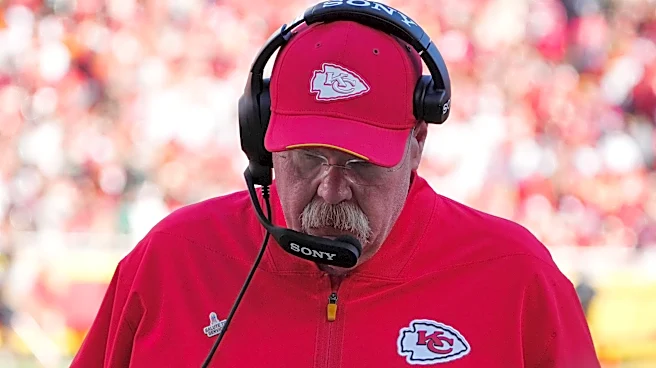
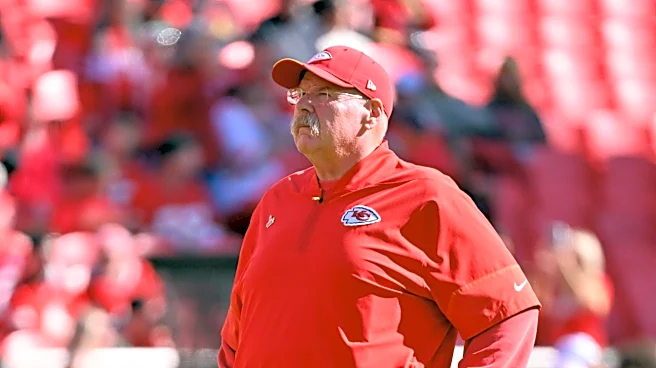
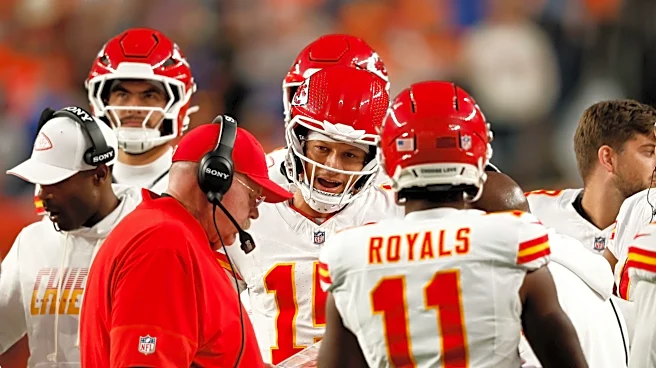
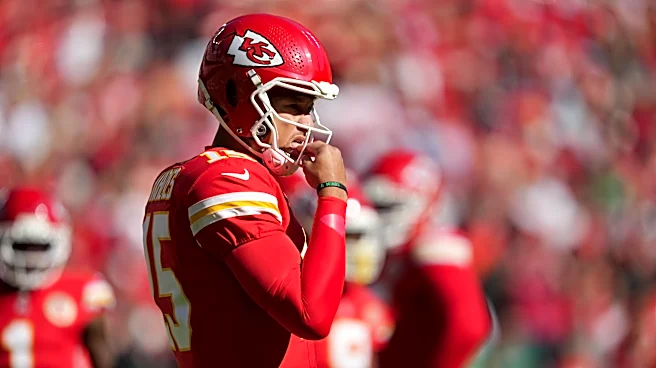
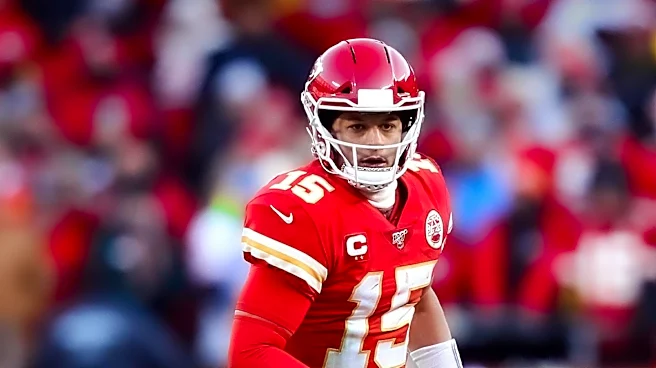
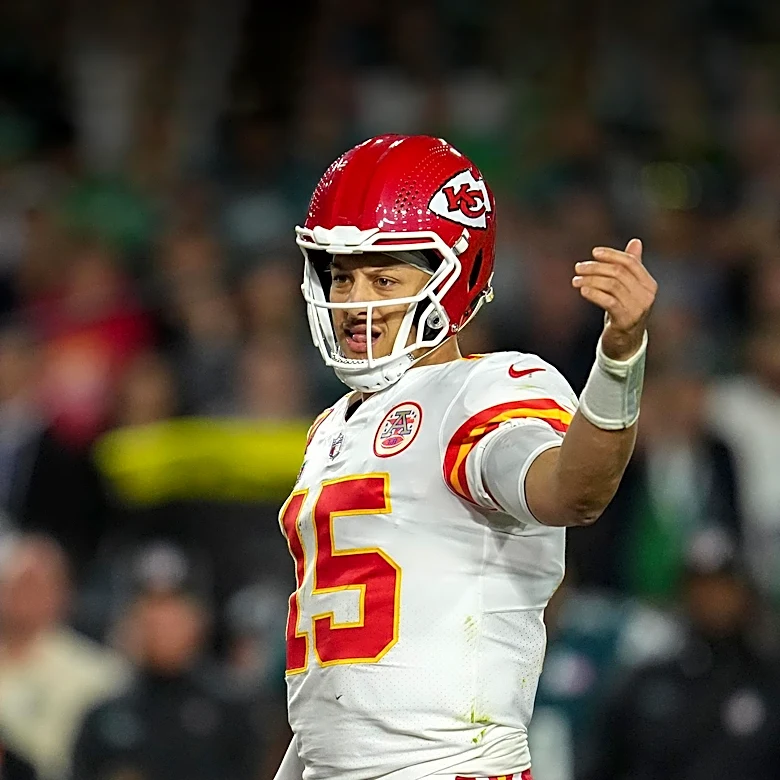
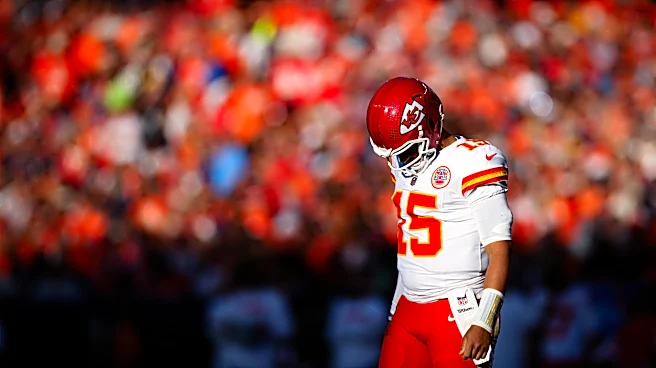
was brought in to execute the sneak. Fields fumbled the snap as he went to the ground, and after a replay review, officials determined the Jets recovered the ball. Head Coach Andy Reid acknowledged the play's failure, stating, 'You guys asked for it, so we gave it to you, and you know, didn't work.' The Chiefs had largely avoided quarterback sneaks since Patrick Mahomes dislocated his knee on such a play in November 2019, prioritizing the protection of their franchise quarterback. This attempt followed criticism regarding the Chiefs' short-yardage failures in their previous game against the Denver Broncos.
Why It's Important?
The Chiefs' decision to attempt a quarterback sneak after a long hiatus, and its subsequent failure, highlights a significant strategic dilemma for the team. While quarterback sneaks are often high-percentage plays for other NFL teams, the Chiefs' reluctance stems from a past injury to their star quarterback, Patrick Mahomes. This incident underscores the tension between maximizing short-yardage efficiency and protecting a critical asset. The fumble not only resulted in a turnover but also reinforced concerns about the team's execution in crucial short-yardage situations. This event could influence future play-calling decisions, potentially leading the Chiefs to revert to their conservative approach or to invest more in practicing this specific play with their backup quarterbacks to ensure better execution and ball security.
What's Next?
Following the fumbled quarterback sneak, Head Coach Andy Reid indicated that the team needs to improve coordination and execution on such plays. He stated, 'Quarterbacks, I think, it's hard to practice unless you do it in a game. And so we just got to get those two on the same page on it, and make sure we get the ball up first and in the quarterback's hands, and we can roll from there.' This suggests that the Chiefs may either continue to experiment with quarterback sneaks, potentially with more dedicated practice, or they might abandon the play once again if they cannot ensure its safe and effective execution. The team's future short-yardage strategies will be closely watched, especially given their recent struggles in these situations.
Beyond the Headlines
The Chiefs' cautious approach to quarterback sneaks, driven by Patrick Mahomes' past injury, reflects a broader trend in professional sports where player safety and the protection of high-value assets often dictate strategic decisions. While the quarterback sneak is a fundamental and often effective play, the potential for injury to a franchise quarterback can outweigh its tactical benefits. This incident also highlights the psychological impact of past injuries on coaching decisions and player performance. The public and media pressure to adopt common NFL strategies, such as the quarterback sneak, can create a challenging environment for coaches who must balance external expectations with internal priorities like player health. The Chiefs' experience serves as a case study in the complex interplay between strategy, risk management, and player welfare in elite sports.