




What's Happening?
Amazon has introduced a new line of prepared meals, each priced under $8, available for same-day delivery in over 2,300 cities and towns across the U.S. These meals, which include options for breakfast, lunch, and dinner such as Parmesan Chicken, Cajun
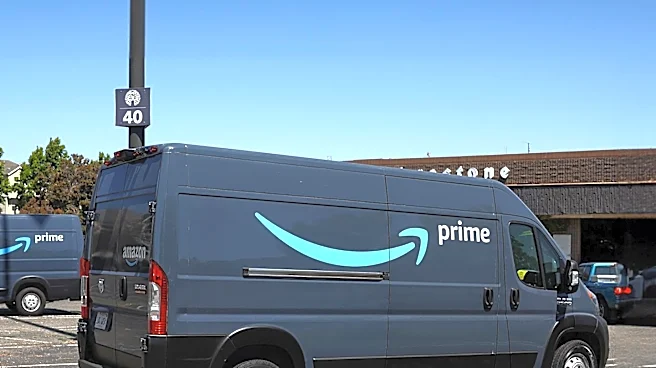
Style Shrimp Fettuccine Alfredo, Spaghetti and Angus Meatballs, various burritos, salads, and soups, can be added to regular grocery and household essential orders. Prime members receive free same-day delivery on qualifying orders of $25 or more, while non-Prime members pay $12.99 per order. This initiative aims to provide a budget-friendly alternative to restaurant takeout or home cooking. Additionally, Amazon is offering family-sized Whole Foods Market prepared holiday sides for four, available through Amazon Grocery Same-Day Delivery and Amazon Now for a limited time through the end of the year.
Why It's Important?
This expansion by Amazon into affordable prepared meals with same-day delivery signifies a strategic move to capture a larger share of the U.S. food market, directly competing with traditional takeout services and meal kit companies. By offering meals under $8, Amazon is positioning itself as a cost-effective solution for consumers seeking convenience, potentially impacting the restaurant and food delivery industries. The integration of these meals into existing grocery delivery services enhances the value proposition for Prime members, encouraging greater loyalty and usage of Amazon's ecosystem. This could lead to increased market penetration for Amazon in the prepared food sector and further solidify its dominance in e-commerce, particularly in urban and suburban areas where same-day delivery is prevalent. The inclusion of Whole Foods holiday sides also leverages Amazon's acquisition of Whole Foods, expanding its reach into seasonal and specialty food markets.
What's Next?
Amazon is expected to continue expanding the availability and variety of its prepared meal offerings, potentially introducing new menu items and extending delivery services to more locations. The company will likely monitor customer adoption and feedback to refine its strategy in the prepared food market. Competitors in the food delivery and restaurant sectors may respond by adjusting their pricing, delivery options, or menu offerings to retain market share. The success of this initiative could also influence Amazon's broader grocery strategy, potentially leading to further integration of fresh and prepared foods into its delivery network. As the holiday season progresses, the demand for Whole Foods holiday sides will provide valuable data on consumer interest in premium prepared options through Amazon's delivery channels.
Beyond the Headlines
The introduction of low-cost prepared meals by a major player like Amazon could have long-term implications for consumer eating habits and the food industry's supply chain. It highlights a growing trend towards convenience and affordability in food consumption, driven by busy lifestyles and economic pressures. This move could also intensify competition among grocery retailers, food service providers, and last-mile delivery companies, potentially leading to consolidation or innovative partnerships. Furthermore, the emphasis on same-day delivery underscores the increasing consumer expectation for instant gratification, pushing logistics and fulfillment capabilities to new limits. The ethical considerations around food waste, labor practices in delivery, and the impact on local food economies will also become more prominent as Amazon's prepared meal service scales.