

What's Happening?
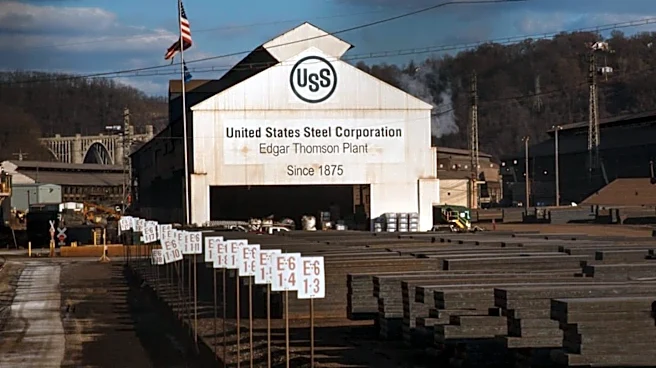
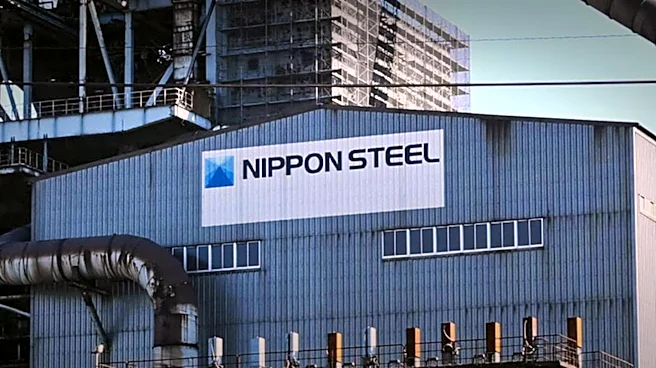
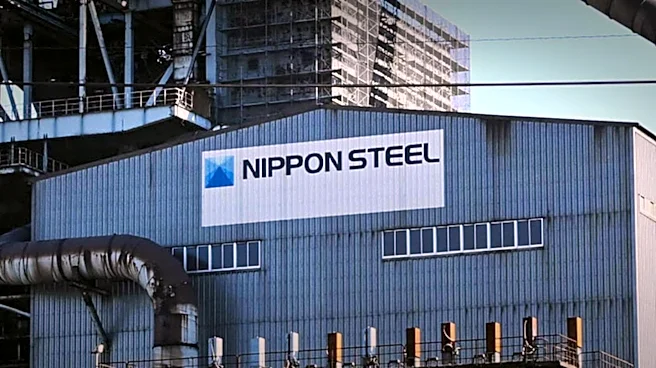
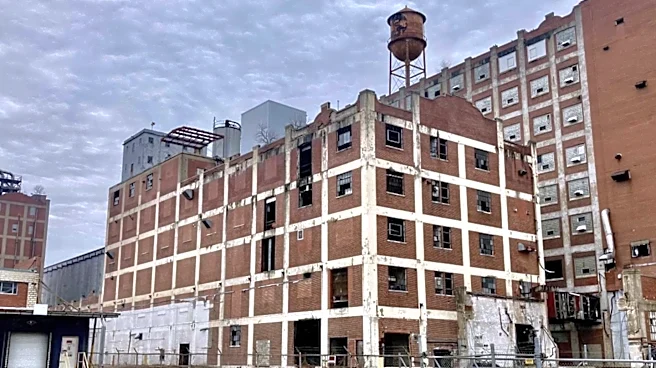
Following its $14.9 billion acquisition of U.S. Steel, Japan's Nippon Steel is undertaking a significant modernization effort at the Edgar Thomson steel mill in Mon Valley, Pennsylvania. This facility, a historic American industrial site opened in 1875,
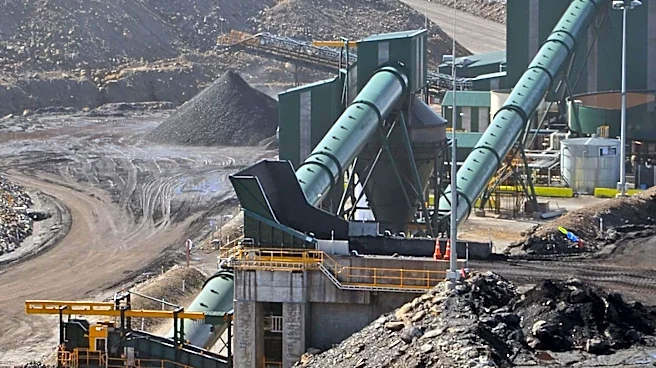
was reportedly on the verge of closure two years ago. Nippon Steel has dispatched Japanese engineers to the plant, equipped with translation apps, to implement a multibillion-dollar mandate aimed at upgrading the aging infrastructure. The modernization includes clearing land for a new steel rolling mill, which will span the length of five football fields, and upgrading existing equipment. The company is also introducing more efficient Japanese steelmaking techniques to enhance the plant's operations. This initiative marks a substantial investment in revitalizing a key American industrial asset.
Why It's Important?
This investment by Nippon Steel is crucial for the future of the Edgar Thomson steel mill and the broader U.S. steel industry. The modernization effort aims to prevent the closure of a historic plant, thereby preserving hundreds of jobs in the Mon Valley region of southwestern Pennsylvania. By introducing advanced Japanese steelmaking techniques and upgrading equipment, Nippon Steel is poised to enhance the efficiency and competitiveness of U.S. steel production. This could lead to a more robust domestic steel industry, capable of meeting modern demands and competing on a global scale. The revitalization of such a significant industrial icon also signals a potential shift in the landscape of American manufacturing, with foreign investment playing a key role in updating and sustaining traditional industries.
What's Next?
The modernization efforts at the Edgar Thomson steel mill are expected to continue with the construction of the new steel rolling mill and the ongoing implementation of new technologies and techniques. The integration of Japanese engineering expertise and operational methods will likely lead to a transformation in the plant's production capabilities and efficiency. Stakeholders, including local communities, employees, and the broader U.S. manufacturing sector, will be closely watching the progress and outcomes of these investments. The success of this revitalization project could serve as a model for future foreign investments in aging American industrial infrastructure, potentially influencing policy discussions around industrial renewal and international partnerships.
Beyond the Headlines
The takeover of U.S. Steel by Nippon Steel and the subsequent modernization efforts highlight several deeper implications. Ethically, it raises questions about the ownership of historically significant American industrial assets and the role of foreign capital in preserving domestic jobs and industries. Legally, such large-scale international acquisitions often involve complex regulatory reviews and approvals, setting precedents for future cross-border mergers in critical sectors. Culturally, the integration of Japanese engineering practices into an American industrial setting represents a blend of different operational philosophies, which could lead to new hybrid approaches in manufacturing. Long-term, this development could signify a shift towards greater international collaboration in industrial revitalization, potentially reshaping global supply chains and technological standards in the steel industry.