





What's Happening?
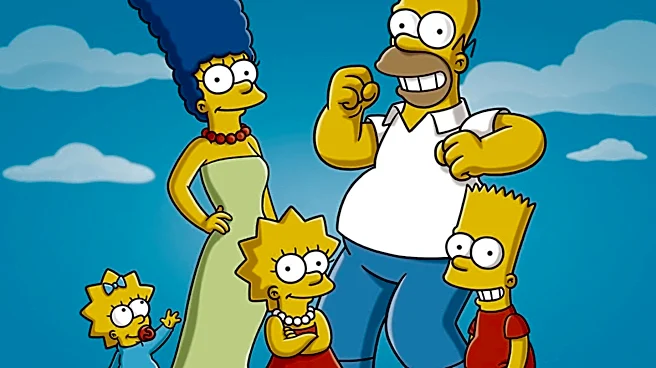
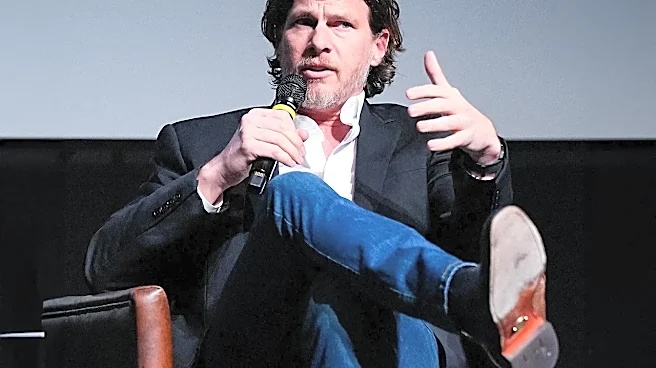
Matt Groening, the creator of 'The Simpsons,' has revealed why the long-running animated series has not produced any spin-off shows, despite its immense success and nearly 40-year run. According to Groening, the primary reason is the original show's profitability.
He stated that 'The Simpsons' has been so lucrative that any potential spin-off deals could not be finalized due to too many individuals having 'dollar signs in their eyes.' This situation effectively made the show a 'victim of its own success' in terms of expanding its universe through spin-offs. Groening specifically mentioned two proposed Krusty the Clown spin-offs that never materialized. One concept involved a live-action show with Dan Castellaneta in clown makeup, which Fox initially questioned, and an animated version that also failed to secure a deal. The show, which premiered in 1989, is currently in its 38th season and has aired 806 episodes, with new episodes airing on Sundays at 8:00 PM on FOX.
Why It's Important?
The lack of spin-offs for 'The Simpsons' highlights a significant aspect of intellectual property management and revenue sharing in the entertainment industry. While successful franchises often leverage their popularity to create spin-offs, 'The Simpsons' case demonstrates how high profitability can paradoxically hinder such expansions. The inability to 'make a deal' due to conflicting financial interests among various stakeholders, as described by Groening, underscores the complexities of negotiating rights and profits for highly valuable media properties. This situation means that while the original show continues to thrive, the potential for new narratives and character explorations within the 'Simpsons' universe through dedicated spin-offs remains untapped. This could be seen as a missed opportunity for further brand extension and audience engagement, even as the core show maintains its strong viewership and cultural impact.
What's Next?
Given Matt Groening's explanation, it is unlikely that 'The Simpsons' will see any spin-offs in the foreseeable future, as the underlying financial and negotiation challenges persist. The focus will likely remain on the continued production and broadcast of the main series, which shows no signs of concluding. The show's ongoing success suggests that its current model is sustainable and profitable for all involved parties, even without the additional revenue streams that spin-offs could provide. Future developments will probably center on new storylines and character arcs within the existing format, as evidenced by recent episodes like 'Thrifty Ways to Thieve Your Mother' and 'Keep Chalm and Gary On.' The show's longevity and consistent performance indicate that its current trajectory will continue, with new episodes and seasons being the primary output.
Beyond the Headlines
The situation with 'The Simpsons' and its lack of spin-offs offers a broader commentary on the dynamics of long-running, highly successful media franchises. It illustrates how the very success that makes a property valuable can also create a complex web of financial expectations and demands, making it difficult to innovate or expand in certain directions. This phenomenon is not unique to 'The Simpsons' and can be observed in other industries where established brands face challenges in diversifying due to entrenched interests. The decision to prioritize the profitability of the original show over potential spin-offs also reflects a strategic choice, whether intentional or forced, to maintain a singular, highly successful product rather than dilute its brand or revenue through multiple, potentially less successful, ventures. This case study provides insight into the economic realities and decision-making processes behind major entertainment properties.