





What's Happening?
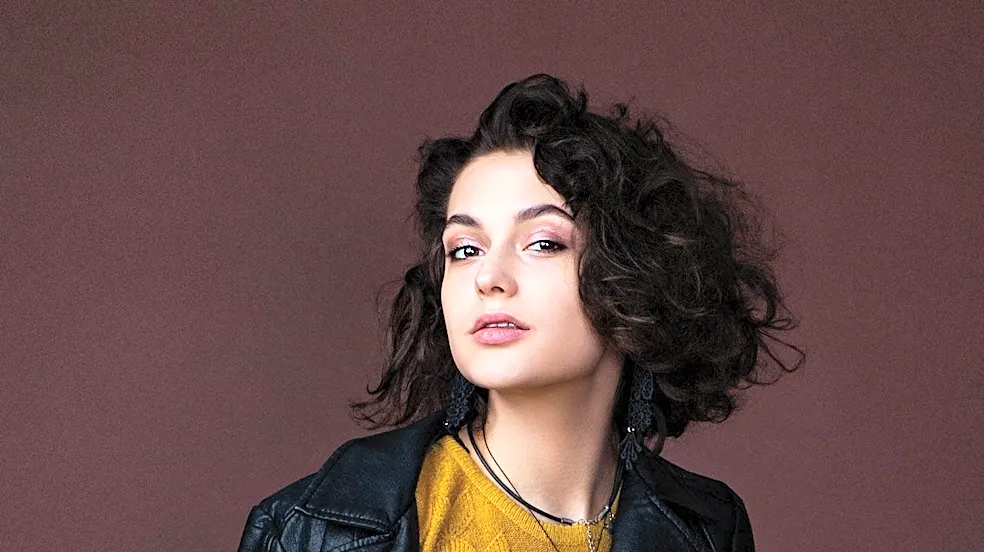
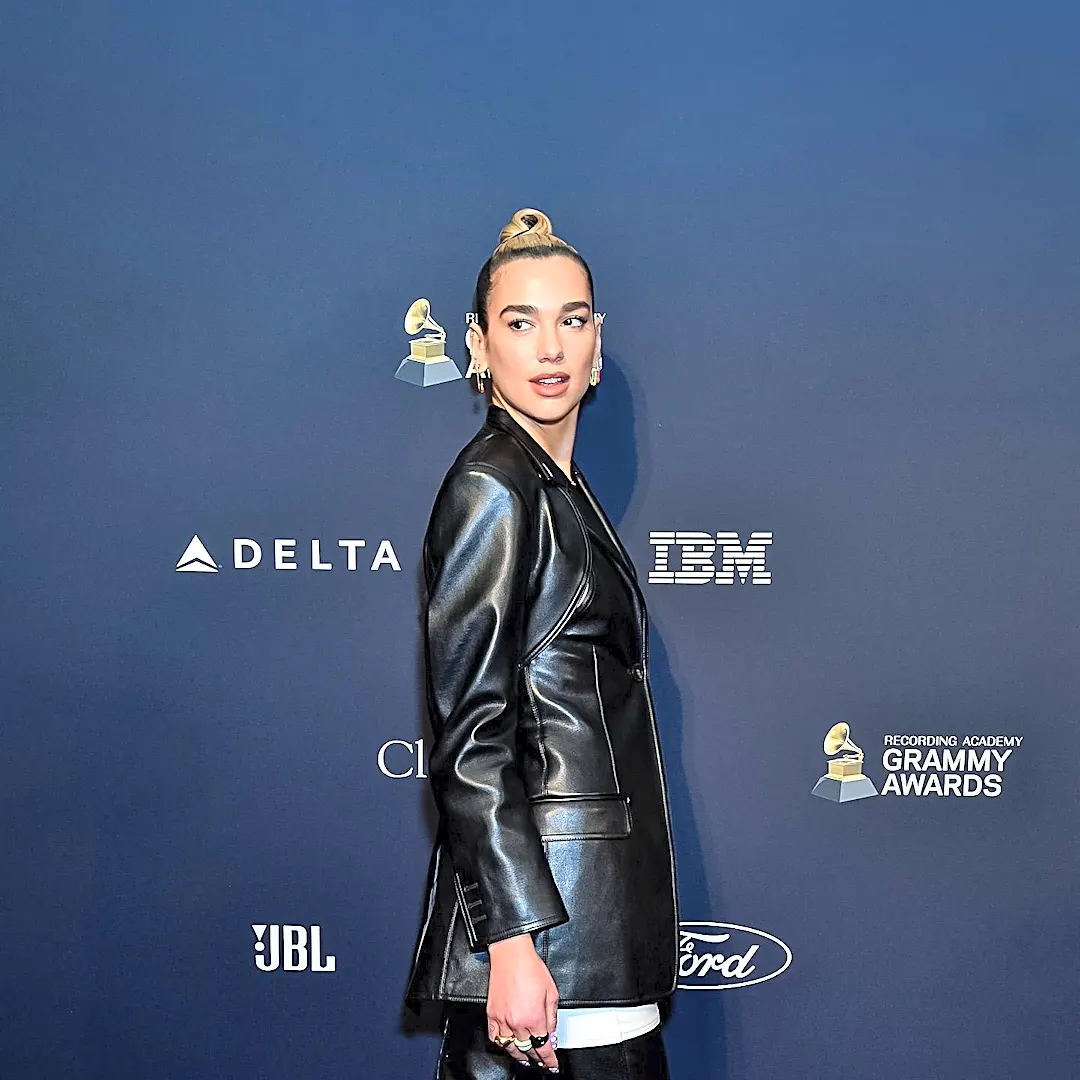
The leather jacket, originally designed as motorcycle riding gear, has been widely adopted and reinterpreted by various music subcultures, each imbuing it with distinct stylistic elements. Hip hop culture, emerging from 1970s Bronx block parties, embraced
roomy cuts like bombers and oversized truckers, often in black, brown, or 1990s-inspired colors, paired with large graphic patches and streetwear accessories. Rock culture favors the asymmetric biker jacket or cleaner café racer styles, predominantly in black or oxblood, often distressed, with minimal patches and accessories like studded belts and silver rings. Punk transformed the double rider biker jacket into a canvas for DIY expression, adorned with band patches, studs, safety pins, and hand-painted slogans. EDM and rave culture utilize cropped bikers or sleeveless vests, often in metallic or holographic finishes for festivals, or matte black for techno scenes, accessorized with reflective elements and chest harnesses. Each subculture tailors the leather jacket's cut, color, and embellishments to reflect its unique aesthetic and ethos.
Why It's Important?
The diverse adoption of the leather jacket across music subcultures highlights its enduring versatility and symbolic power as a garment of rebellion and self-expression. This phenomenon is important for the fashion industry, demonstrating how a single item can be continuously re-contextualized and remain relevant across different eras and demographics. For retailers and designers, understanding these subcultural nuances is crucial for creating collections that resonate with specific consumer groups. It also underscores the influence of music and youth culture on fashion trends, where authenticity and a connection to a particular lifestyle drive purchasing decisions. The ability of the leather jacket to transcend its original function and become a staple in such varied scenes illustrates the deep connection between clothing, identity, and cultural affiliation, influencing how brands approach product development and marketing to diverse consumer segments.
What's Next?
The leather jacket's evolution within music subcultures is likely to continue, with new interpretations emerging as musical genres and fashion trends evolve. Designers may draw inspiration from these established subcultural styles, creating contemporary versions that blend classic elements with modern aesthetics. We can expect to see continued experimentation with materials, finishes, and embellishments, catering to niche markets within the broader fashion landscape. The emphasis on personalization and DIY aesthetics, particularly evident in punk culture, may also see a resurgence, with consumers seeking unique ways to customize their leather jackets. Furthermore, as sustainability becomes a greater concern, there might be an increased focus on vintage leather jackets or ethically sourced alternatives, allowing consumers to participate in these subcultural styles while aligning with modern values.
Beyond the Headlines
Beyond its fashion implications, the leather jacket's journey through various music subcultures reflects broader sociological themes of identity formation, group affiliation, and cultural resistance. Each subculture's appropriation of the jacket serves as a visual marker of belonging and a statement against mainstream norms. This phenomenon illustrates how clothing can act as a powerful non-verbal communication tool, conveying allegiance to a particular ideology or lifestyle. The continuous reinterpretation of the leather jacket also speaks to the cyclical nature of fashion and the enduring appeal of certain archetypes that symbolize rebellion and individuality. It highlights how youth cultures, through their distinct styles, contribute to the ongoing dialogue between tradition and innovation, constantly reshaping cultural landscapes and influencing mainstream aesthetics in subtle yet profound ways.