





What's Happening?
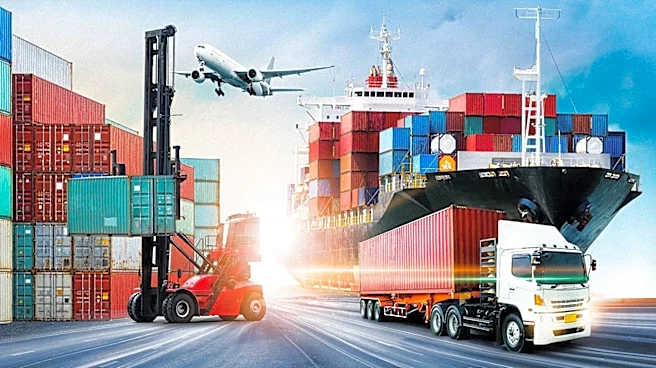
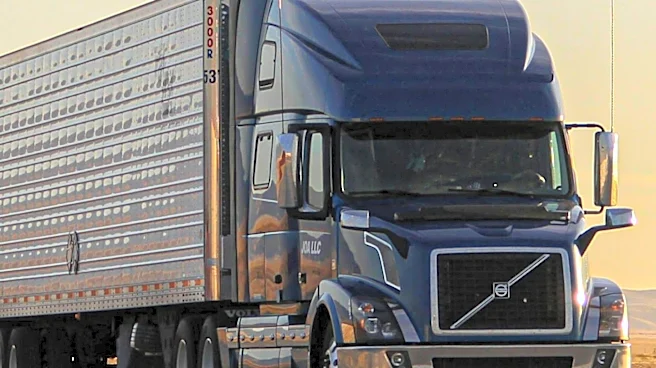
Landstar System, a transportation management company, has announced an increase in its quarterly dividend payout, reflecting its commitment to shareholder value. The company, which operates using an asset-light model, coordinates various types of freight
across North America and internationally. This move comes as the company navigates a complex tariff environment, with new Section 301 tariffs impacting trade costs and legal risks. Landstar has been discussing tariff-related shipment pull-forwards and potential refunds from the federal government, with approximately 11% of its revenue tied to U.S.-Mexico cross-border freight. Despite rising insurance costs and legal liabilities, Landstar's recent credit facility with no borrowings reported as of June 2026 provides some financial stability.
Why It's Important?
The dividend increase by Landstar System is significant as it underscores the company's confidence in its financial health and its commitment to returning value to shareholders. This decision is particularly noteworthy given the current challenges in the freight industry, including fluctuating demand and driver shortages. The company's ability to maintain and increase dividends suggests resilience in its business model, which could attract investors seeking stable returns amidst economic uncertainty. Additionally, the ongoing tariff situation presents both challenges and opportunities for Landstar, as changes in trade policies could directly affect its operations and revenue streams.
What's Next?
Looking ahead, Landstar System will need to continue navigating the evolving tariff landscape and its implications for cross-border freight. The company's asset-light model may provide flexibility in adjusting to these changes, but rising insurance costs and legal liabilities remain concerns. Stakeholders will be watching how Landstar manages these risks while maintaining its financial commitments, such as dividends and share repurchases. The company's future performance will likely depend on its ability to adapt to regulatory changes and leverage potential tariff refunds to offset increased costs.