





What's Happening?
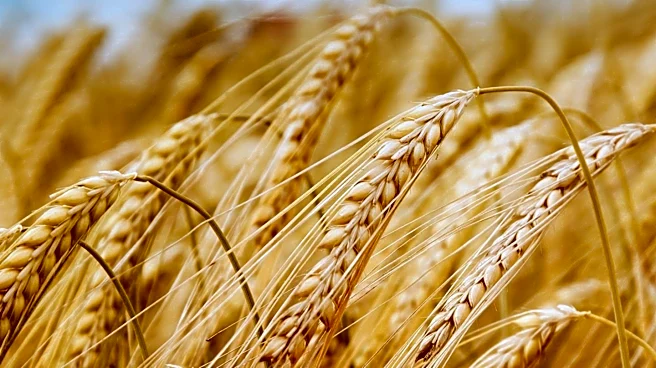
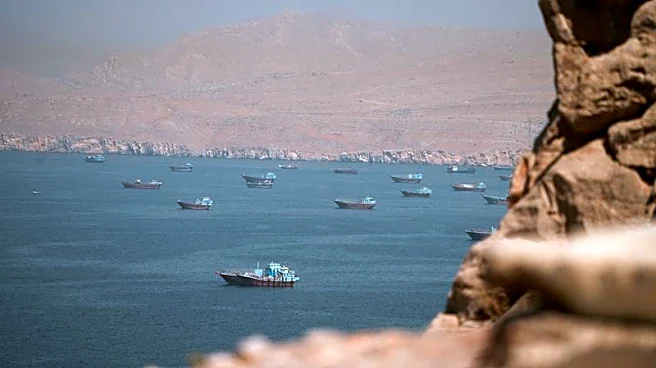
Wheat prices have risen for the second consecutive session due to ongoing disruptions in Black Sea grain exports. Attacks on grain cargoes and port infrastructure in the region, particularly involving Ukraine and Russia, have heightened concerns over
global wheat supplies. The Chicago Board of Trade's most active wheat contract increased by 0.7%, reflecting these supply challenges. Additionally, lower U.S. crop estimates from a recent tour in North Dakota have contributed to the price surge. The situation is further complicated by rising crude oil prices, which have increased the cost of agricultural feedstocks used in biofuels.
Why It's Important?
The disruptions in Black Sea grain exports have significant implications for global food security and agricultural markets. As a major wheat-producing region, any instability in the Black Sea can lead to increased volatility in global grain prices, affecting food affordability and availability. The rise in wheat prices also impacts related markets, such as soybeans and corn, which have seen price increases due to higher crude oil prices. For U.S. farmers, the lower crop estimates and rising input costs could affect profitability and production decisions. The situation underscores the interconnectedness of global agricultural markets and the potential for geopolitical tensions to influence food supply chains.
What's Next?
As tensions in the Black Sea region continue, stakeholders in the agricultural sector will need to monitor developments closely. Potential diplomatic efforts to stabilize the region could influence future grain exports and prices. Additionally, U.S. farmers may need to adjust their planting and harvesting strategies in response to changing market conditions and crop yield projections. Policymakers may also consider measures to support domestic agriculture and mitigate the impact of global supply disruptions on food prices. The situation highlights the need for resilient agricultural systems that can adapt to geopolitical and environmental challenges.