






What's Happening?
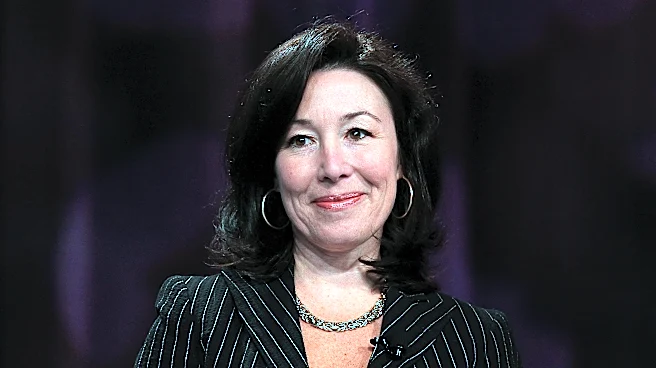
Greylock Federal Credit Union has welcomed Alison LaRocca as the first member of its new Associate Board Member program. This initiative aims to cultivate future credit union leaders by providing exposure to board governance, strategic leadership, and
community impact. LaRocca, who is the owner and principal of Luminary Evaluation, brings extensive experience in executive-level leadership, strategic planning, evaluation, and coaching to her new position. The program is designed to offer participants first-hand experience through observation of board meetings, mentorship, and various educational opportunities. Peter Lopez, chairperson of the Greylock board of directors, highlighted the program's goal of shaping tomorrow's credit union leaders, emphasizing LaRocca's suitability as the inaugural associate member. John Bissell, president and CEO of Greylock Federal Credit Union, underscored the importance of strong stewardship by the volunteer board and the program's role in preparing future directors for success, which directly contributes to the credit union's overall achievements.
Why It's Important?
The establishment of Greylock Federal Credit Union's Associate Board Member program signifies a proactive approach to leadership development within the financial sector. By creating a structured pipeline for future leaders, the credit union is investing in long-term stability and effective governance. This model could serve as a blueprint for other financial institutions looking to strengthen their leadership teams and ensure continuity. For the community, having well-prepared and experienced leaders on the board means more robust decision-making that aligns with member-focused and community-first values, as articulated by LaRocca. The program also provides a valuable opportunity for professionals like LaRocca to transition their expertise from consulting and evaluation into direct governance roles, enriching the board with diverse perspectives and skills. This initiative helps to maintain the credit union's commitment to its members and its deep roots in the community by fostering a new generation of informed and engaged leaders.
What's Next?
As the inaugural associate board member, Alison LaRocca will begin her tenure by observing board meetings, engaging in mentorship, and participating in educational opportunities provided by Greylock Federal Credit Union. The program is expected to welcome a second associate member in the future, further expanding its capacity to develop new leaders. The success of this program will likely be monitored closely, potentially influencing its expansion or adoption by other credit unions and financial institutions. LaRocca's contributions, particularly her expertise in research and strategic foresight, are anticipated to enhance the board's decision-making processes and its ability to serve the community effectively. The ongoing development of these associate members will be crucial for ensuring a continuous supply of qualified individuals ready to assume leadership roles within the credit union, thereby securing its future stewardship and community impact.
Beyond the Headlines
The Associate Board Member program at Greylock Federal Credit Union reflects a broader trend in corporate governance towards more structured and intentional leadership succession planning. Beyond simply filling vacancies, this program aims to cultivate a deep understanding of the institution's mission, values, and operational complexities among its future leaders. This approach can mitigate risks associated with leadership transitions and ensure that new board members are not only skilled but also deeply aligned with the organization's ethos. Furthermore, by bringing in professionals with diverse backgrounds, such as LaRocca's experience in evaluation and research, credit unions can enhance their strategic capabilities and adapt more effectively to evolving market conditions and community needs. This model also underscores the importance of community engagement and local stewardship in the credit union sector, reinforcing the idea that financial institutions can play a vital role in strengthening local economies and social structures.