






What's Happening?
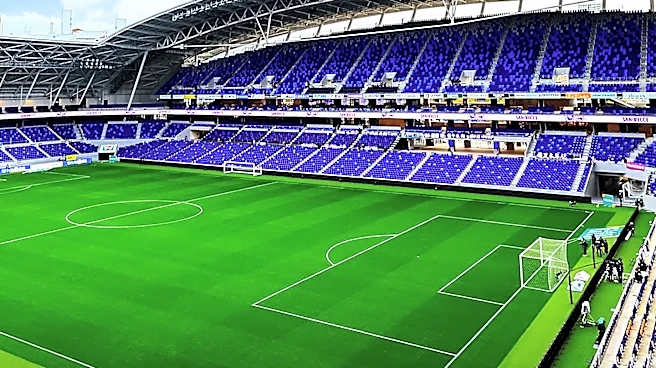
Hearts of Pine, a soccer club in Portland, Maine, has announced plans to build a new soccer-specific stadium at Cassidy Point. The proposed stadium will seat between 9,000 and 11,000 spectators and serve as the permanent home for the club's men's and women's
teams. The project aims to transform an industrial coal storage site into a community-centered destination with public waterfront access. The club plans to start construction in 2027, with the stadium opening in 2029. The development will include an indoor soccer facility, green spaces, and pedestrian connections, enhancing community engagement and accessibility.
Why It's Important?
The new stadium project represents a significant investment in Portland's sports infrastructure and community development. By transforming an industrial site into a vibrant public space, the project aligns with broader urban renewal and environmental goals. It also addresses the growing demand for professional soccer in Maine, as evidenced by the club's large season ticket base and waitlist. The stadium will provide a permanent venue for soccer events, potentially boosting local tourism and economic activity. Additionally, the project reflects a commitment to sustainable development by repurposing a coal storage site and enhancing public access to the waterfront.
What's Next?
The project will undergo a comprehensive planning and approval process, including community engagement, environmental reviews, and zoning approvals. Hearts of Pine will work closely with local stakeholders to ensure the development meets community needs and preserves the working waterfront. The club will also explore partnerships for parking and transportation solutions to accommodate matchday crowds. As the project progresses, it will be important to balance the interests of various community groups and ensure the stadium becomes a valuable asset for Portland.
Beyond the Headlines
The stadium project highlights the potential for sports developments to drive urban transformation and community engagement. By prioritizing public access and environmental stewardship, the project sets a precedent for future developments in Portland and beyond. It also underscores the role of sports in fostering community identity and pride, as well as the economic benefits of investing in local sports infrastructure. The success of the project could inspire similar initiatives in other cities, promoting sustainable and inclusive urban development.