



What's Happening?
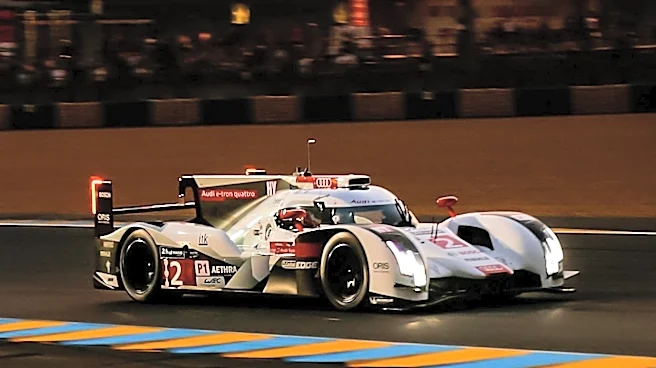
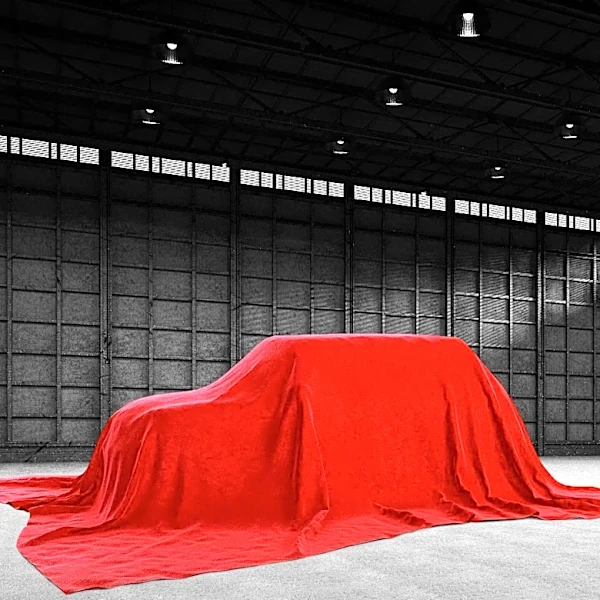
Ford has revealed its new GT41 hypercar, designed to compete for outright victory at the Le Mans 24 Hours in 2027. This announcement comes 60 years after Ford's historic 1-2-3 finish at Le Mans, which humbled Ferrari. The GT41, named for its 41-inch air
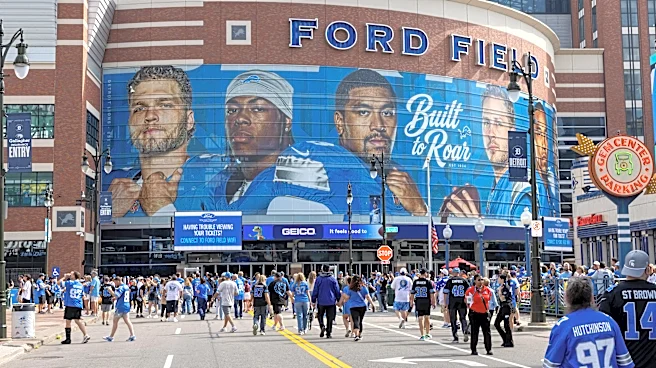
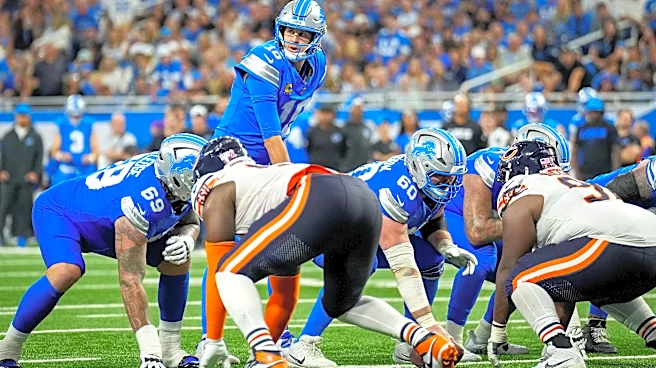
intake height, features a naturally aspirated 5.4-liter V8 engine derived from Ford's Coyote road-car engine, paired with a hybrid system. The car made its public debut on November 26 at Ford Field in Detroit during the Thanksgiving Day NFL game. The development of the GT41's V8 engine is taking place in Dearborn, Michigan, in the same building where the original GT40 engines were developed in the 1960s. This move signifies Ford's deliberate attempt to recapture the self-sufficiency and American-built ethos of its past Le Mans victories. The company's chief archivist, Ted Ryan, highlighted the historical context by displaying the unsigned contract for Ford's attempted purchase of Ferrari in 1963, which ultimately led to the intense racing rivalry.
Why It's Important?
Ford's return to the top tier of Le Mans racing with the GT41 carries significant implications for the automotive industry and motorsports. It reignites a legendary rivalry with Ferrari, which has won the Le Mans Hypercar class for three consecutive years since 2023. This competition is expected to drive innovation in hybrid powertrain technology and aerodynamic design, pushing the boundaries of performance for both manufacturers. For Ford, this endeavor is a strategic move to leverage its rich racing heritage, particularly the iconic GT40 story, to enhance its brand image and connect with a new generation of enthusiasts. The emphasis on American design and engineering, with the engine being hand-assembled in Dearborn, reinforces a sense of national pride and technological capability. The high-stakes environment of Le Mans will serve as a proving ground for Ford's engineering prowess, potentially influencing future road car development and marketing strategies. Success at Le Mans could significantly boost Ford's global reputation and sales, while failure could be a costly setback in a highly competitive market.
What's Next?
The GT41 has completed its European test program and is scheduled for further testing in the U.S. throughout December and January. Its racing debut is set for March in Qatar, followed by the highly anticipated Le Mans 24 Hours in June 2027. Ford Racing's global director, Mark Rushbrook, acknowledges the 'massive challenge' of entering a Hypercar field where nine rival manufacturers have been competing for several seasons, and Ferrari has already established dominance. The team's lineup includes drivers with Le Mans pedigree, such as Mike Rockenfeller, a 2010 winner, and Sebastian Priaulx, whose father raced for Ford in 2016. The narrative of Ford's historical rivalry with Ferrari, popularized by films like 'Le Mans '66,' will likely be a central theme in the marketing and public perception leading up to the race. The performance of the GT41 in its initial races will be closely watched as an indicator of Ford's readiness to challenge for overall victory at Le Mans.
Beyond the Headlines
The GT41 project extends beyond mere racing, touching upon themes of corporate legacy, national identity, and technological evolution. The decision to develop the engine in the same facility as the original GT40 engines underscores a deep connection to Ford's past and a desire to evoke the spirit of American ingenuity that led to its previous Le Mans triumphs. This historical resonance is a powerful marketing tool, appealing to both long-time fans and new audiences. The integration of hybrid technology in the GT41 reflects the broader automotive industry's shift towards electrification and sustainable performance, showcasing Ford's commitment to advanced engineering. Furthermore, the use of advanced manufacturing techniques, such as metal-printing parts developed with Red Bull Ford Powertrains in Formula 1, highlights the cross-pollination of technologies across different motorsport disciplines and their potential application in future production vehicles. The renewed rivalry with Ferrari also symbolizes a broader competition for prestige and technological leadership in the global automotive landscape.