
What's Happening?
Taran Noah Smith, who played Mark Taylor on the popular 1990s sitcom 'Home Improvement,' revealed that co-star Patricia Richardson's departure from the show was due to a combination of creative disagreements
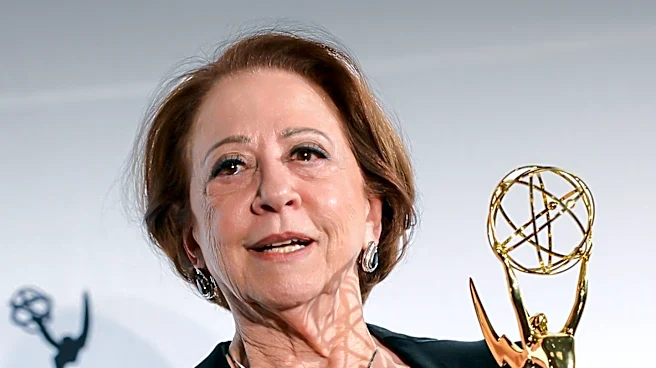
and a significant salary gap. Richardson, a late addition to the cast after Frances Fisher was deemed unsuitable, was instrumental in bringing a realistic 'mom energy' to her character, Jill Taylor. Smith stated that Richardson frequently fought with writers to ensure the dialogue and plotlines were authentic to a mother's perspective, often telling them, 'A mother would never say this.' This struggle intensified after the original creators left, and new writer/producers, many without children, took over, leading to what Richardson perceived as unrealistic character portrayals. Ultimately, Richardson refused to return for a ninth season unless her salary matched that of lead star Tim Allen, a request she reportedly knew would be denied.
Why It's Important?
This revelation highlights persistent issues within the entertainment industry, particularly concerning gender pay disparity and creative control for actors. Patricia Richardson's decision to leave a highly successful show over salary differences underscores the ongoing battle for equitable compensation, even for established female leads. Her fight for realistic character development also points to the broader impact of creative decisions on a show's authenticity and its connection with the audience. When actors feel their characters are being compromised for the sake of jokes or plot convenience, it can diminish the quality and relatability of the content. This situation reflects the power dynamics often at play in television production, where lead actors, especially women, may have to leverage their position to advocate for both fair pay and artistic integrity.
What's Next?
While 'Home Improvement' concluded its run after Richardson's departure, the insights from Taran Noah Smith contribute to the ongoing discourse about fair labor practices and creative autonomy in Hollywood. This type of public commentary from former cast members can encourage greater transparency and accountability within production companies regarding actor compensation and creative input. It may also empower current actors to negotiate more assertively for equitable pay and to advocate for their characters' integrity. The entertainment industry continues to face scrutiny over these issues, and such historical accounts serve as reminders of the challenges that have long existed and the progress that still needs to be made in ensuring fair treatment and creative respect for all talent.
Beyond the Headlines
The story of Patricia Richardson's exit from 'Home Improvement' delves into the deeper cultural implications of how female characters are written and valued in popular media. Her insistence on a 'realistic mom energy' and her pushback against unrealistic dialogue reflect a broader societal expectation for authentic representation of women, particularly mothers, on screen. When producers prioritize comedic setups over character consistency, it can perpetuate stereotypes or undermine the complexity of female roles. Furthermore, the salary disparity between Richardson and Tim Allen, despite her significant contribution to the show's success and critical acclaim, highlights systemic inequalities that extend beyond individual contracts. This case serves as a micro-example of the macro-level challenges women face in achieving equal pay and recognition in various professional fields, not just entertainment.