
What's Happening?
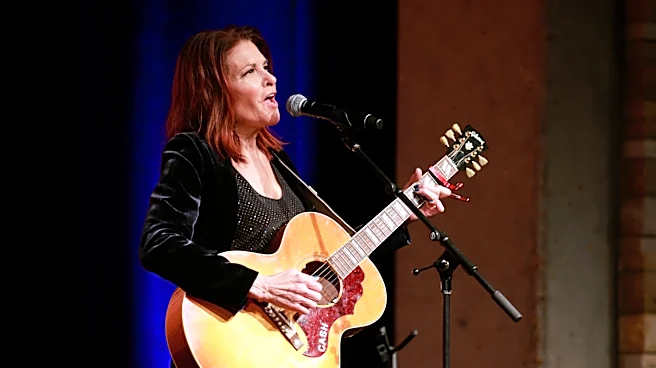
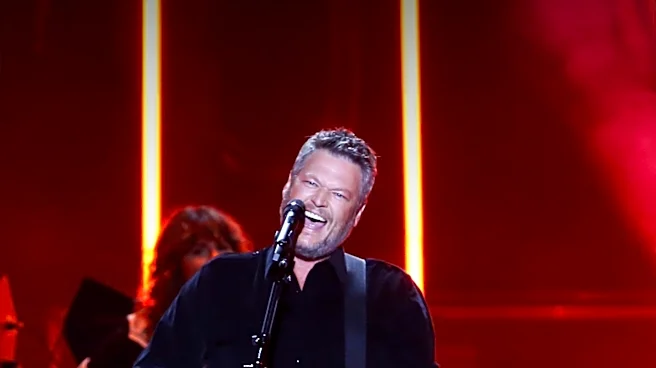
A viral rumor has been circulating online, alleging that country music artist Blake Shelton canceled four shows with fellow musician Jelly Roll, citing fan disapproval. The claim originated from a Facebook page named America’s Last Line of Defense (ALLOD),
which shared an image of both singers with text stating, 'Blake Shelton Cancels Four Shows with Jelly Roll: ‘My Fans Have Spoken.’' The accompanying caption further suggested that Jelly Roll had 'ruined his career' and that country fans no longer wished to see him. However, this claim is false. The ALLOD page explicitly states, 'Nothing on this page is real,' in its bio and on the viral image itself, identifying as a network of 'certified trollery and propaganda for cash' affiliated with the Dunning-Kruger-Times satire/parody website.
Why It's Important?
This incident highlights the pervasive issue of misinformation and satire being misinterpreted as factual news, particularly within social media platforms. The rapid spread of such claims can significantly impact public perception of artists and potentially damage their professional relationships, even if the information is later debunked. For the music industry, false rumors can create unnecessary controversy and distract from artists' actual work. It also underscores the responsibility of social media users to critically evaluate sources and verify information before sharing. The fact that both Blake Shelton and Jelly Roll have previously collaborated on projects, such as the 'Rock the Country Tour' and a tribute album to The Judds, makes the false claim particularly misleading, as it contradicts their established professional interactions and shared record label affiliation. This event serves as a reminder of the challenges artists face in managing their public image in the digital age.
What's Next?
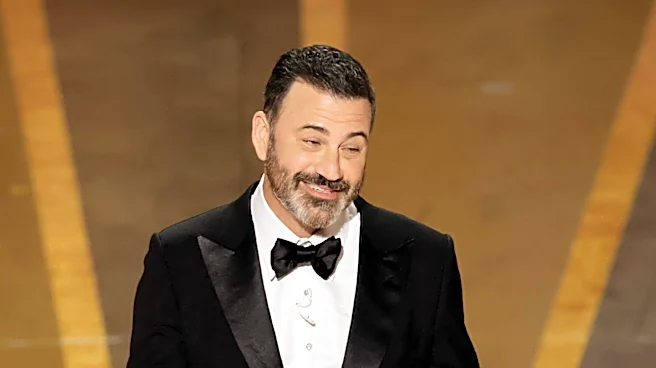
Given that the claim has been identified as satire, it is unlikely to have long-term professional repercussions for either Blake Shelton or Jelly Roll. However, the incident may prompt further discussions about media literacy and the spread of misinformation online. Social media platforms might face continued pressure to implement clearer labels for satirical content to prevent such misunderstandings. For the artists involved, they will likely continue with their respective careers and collaborations, as their professional relationship appears unaffected by this false rumor. Jelly Roll's recent appearance as a guest host on 'Jimmy Kimmel Live!' and both artists' ongoing musical projects demonstrate their continued presence in the entertainment landscape. The event serves as a cautionary tale for both content creators and consumers regarding the impact of unverified information.
Beyond the Headlines
Beyond the immediate debunking of the rumor, this situation delves into the broader implications of online satire and its potential to blur the lines between humor and harmful misinformation. The 'America’s Last Line of Defense' page, by explicitly labeling itself as 'trollery and propaganda for cash,' operates in a grey area where entertainment can inadvertently become a source of confusion or even distress. This raises ethical questions about the responsibility of satirical outlets, especially when their content is easily taken out of context and shared as truth. The incident also reflects a cultural phenomenon where public figures, particularly those in entertainment, are constantly subjected to scrutiny and speculation, often fueled by unverified online content. It underscores the need for a more discerning public and for platforms to develop more robust mechanisms to differentiate between genuine news, opinion, and satire, thereby protecting both public figures and the integrity of information.