


What's Happening?
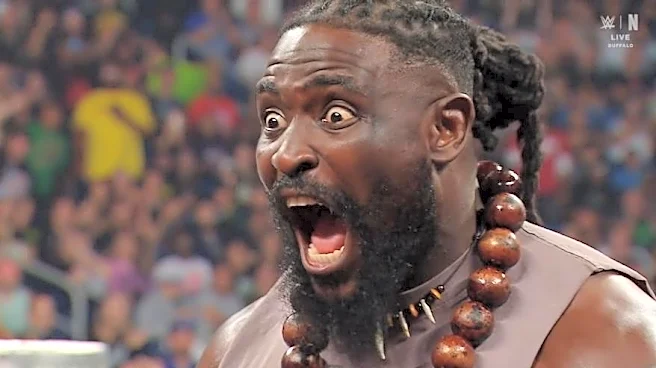
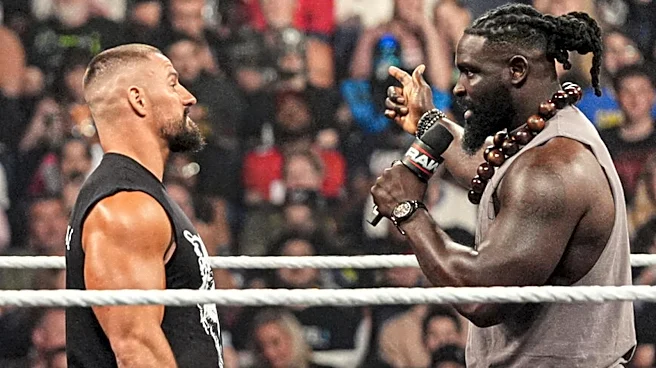
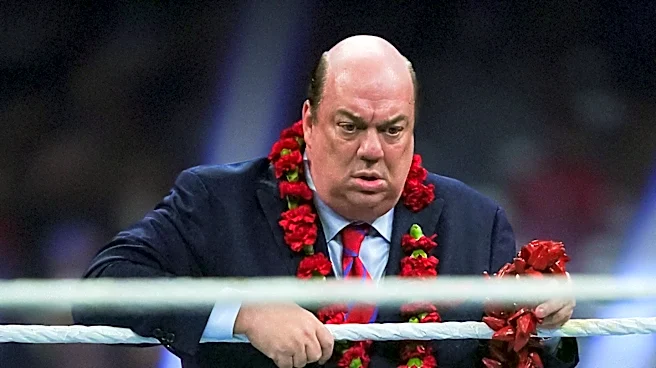
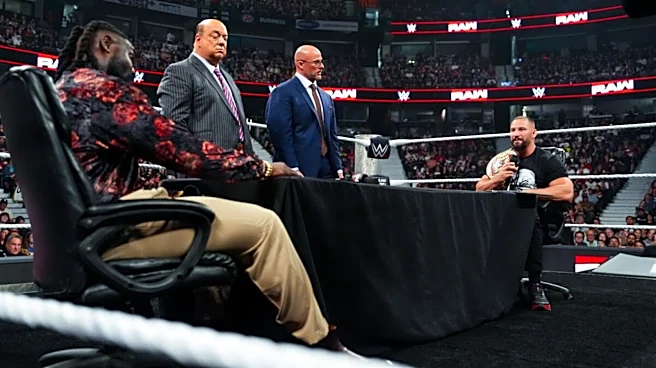
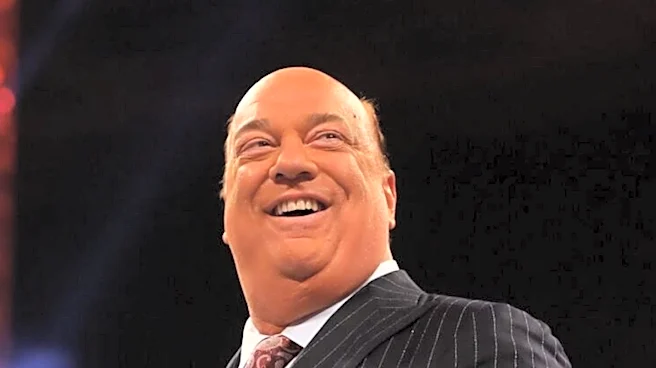
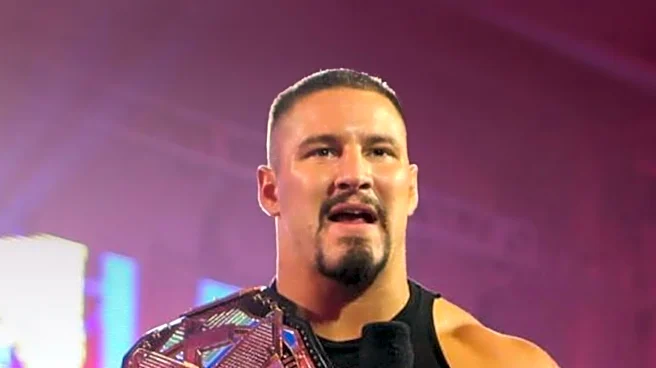
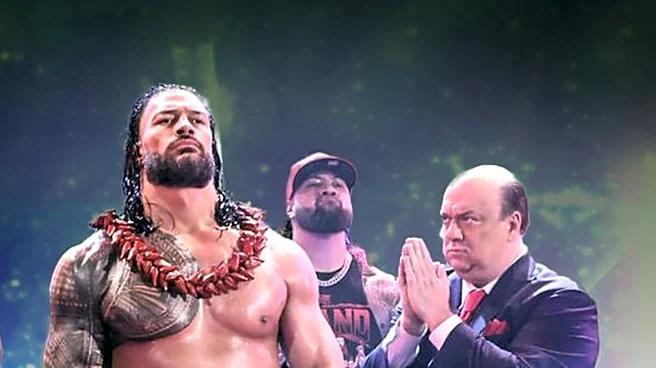
Vince Russo, during 'The Coach and Bro Show,' has voiced strong opposition to Paul Heyman's involvement in the burgeoning rivalry between WWE talents Bron Breakker and Oba Femi. Russo argues that WWE already possesses two potential franchise stars in Breakker and Femi,
and introducing Heyman into their dynamic would create unnecessary complications. He believes that both wrestlers are capable of developing their storyline independently. The discussion arose after Jonathan Coachman questioned the timing of the rivalry, suggesting that a decisive outcome could solidify one as a top young star while relegating the other. Russo's primary concern is that Heyman's presence could either repeat past scenarios, if he aligns with Breakker, or force WWE to undermine Femi's growing popularity by turning him into a heel, which Russo finds unlikely given Femi's current appeal. He emphasized that Breakker, with his father Rick Steiner and uncle Scott Steiner, has sufficient familial support and does not require Heyman's guidance.
Why It's Important?
This commentary from Vince Russo highlights a critical aspect of talent development and storyline management within professional wrestling, particularly in a major organization like WWE. The involvement of a prominent manager like Paul Heyman, known for his ability to elevate talent, can significantly impact a wrestler's trajectory. However, Russo's perspective suggests that for certain emerging stars, an independent path might be more beneficial for long-term growth and authenticity. If WWE were to follow Russo's advice, it could mean a shift towards allowing new talent to forge their own identities without the immediate influence of established figures, potentially fostering more organic and compelling rivalries. Conversely, if Heyman does become deeply involved, it could accelerate one wrestler's rise at the potential expense of the other, or create a dynamic that overshadows the wrestlers themselves. This debate underscores the strategic decisions WWE faces in balancing established star power with the cultivation of new talent, impacting future main event lineups and the overall narrative direction of the company.
What's Next?
The immediate next step will be to observe how WWE proceeds with the Bron Breakker and Oba Femi rivalry, specifically regarding Paul Heyman's role. If Heyman's involvement continues or intensifies, it will be crucial to see which side he ultimately aligns with, and how that alignment impacts the character development and fan perception of both Breakker and Femi. Should Heyman choose Breakker, it could reinforce Breakker's position but potentially dilute his connection to his legendary family. If Heyman were to align with Femi, it could significantly boost Femi's profile, but as Russo noted, it might necessitate a heel turn that could be detrimental to Femi's current popularity. Conversely, if WWE opts to minimize Heyman's role, it would suggest a strategy to allow Breakker and Femi to develop their feud more organically, relying on their individual strengths and the inherent drama of their competition. The outcome will likely influence future booking decisions for both wrestlers and could set a precedent for how WWE integrates established managers with rising stars.
Beyond the Headlines
Beyond the immediate storyline implications, Vince Russo's comments touch upon a broader philosophical debate within professional wrestling regarding the balance between established narrative structures and the organic development of new talent. The question of whether emerging stars need the 'rub' of a veteran manager like Paul Heyman, or if they should be allowed to build their own momentum, reflects differing views on how to cultivate long-term success in the industry. There's an ethical dimension to this, as over-reliance on established figures can sometimes stifle the unique voices and personas of new talent. Culturally, the wrestling audience often values authenticity and the journey of a wrestler's rise. If Breakker and Femi are perceived as being 'made' by Heyman rather than earning their success, it could affect their connection with the fanbase. This situation could also trigger a long-term shift in WWE's talent development strategy, potentially leading to more emphasis on individual character building and less on immediate managerial associations for promising newcomers, thereby shaping the future landscape of professional wrestling narratives.