





What's Happening?
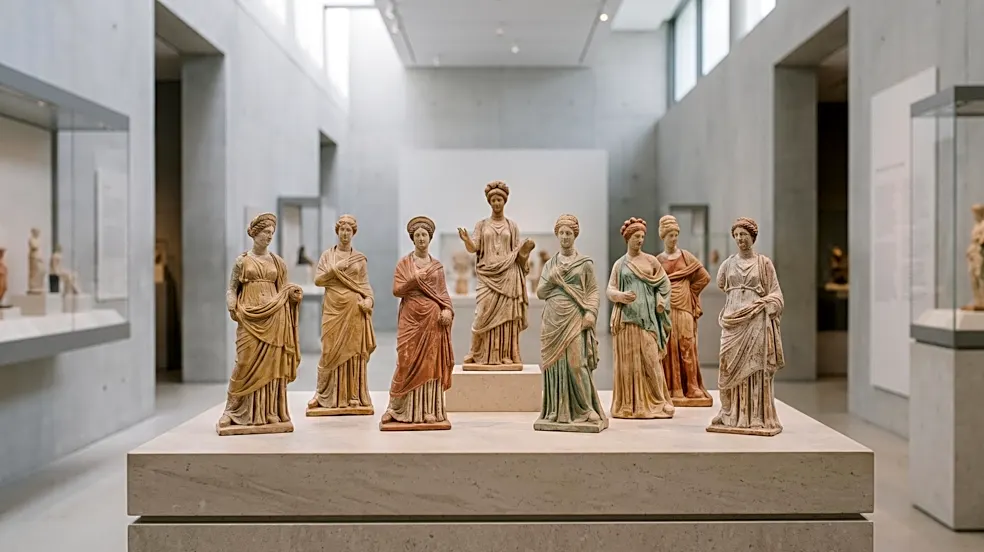
The Worcester Art Museum (WAM) announced it will present "Tanagramania: The Modern Craze for Greek Antiquities," opening in May 2027. This will be the first major American exhibition to examine the discovery and cultural impact of small terracotta statuettes,
known as Tanagras, from the 1870s through the 1920s. The exhibition will feature over 70 objects, including sculptures, paintings, and works on paper from leading institutions and WAM's own collection of Tanagra figurines, replicas, and forgeries. Daniel Healey, WAM’s Provenance Research Specialist and curator of the exhibition, noted that Tanagras quickly influenced art, fashion, dance, and literature. The exhibition will also delve into the complex issues of provenance and forgery surrounding these objects, which were highly valued for their size, painted surfaces, and depictions of everyday ancient Greek life. The Tanagra sculptures, named after the ancient Greek site where they were discovered in the 1870s, were pioneered in Athenian workshops around 340–330 BCE and captivated 19th-century audiences with their fashionable attire and relaxed poses.
Why It's Important?
This exhibition is significant as it sheds light on a unique period of art history and collecting, revealing how ancient artifacts can profoundly influence modern culture. By addressing the entangled questions of provenance and forgery, the Worcester Art Museum is engaging with contemporary debates surrounding museum ethics and the histories of collected objects. The exhibition's exploration of the "Tanagramania" craze, which led to widespread looting and forgery due to high demand, offers valuable insights into the art market's historical dynamics and the challenges of authenticating artifacts. Furthermore, showcasing how Tanagras influenced artists, writers, and even fashion designers like Rosa Genoni and performers like Loïe Fuller demonstrates the broad cultural reach of these small figurines. This initiative by WAM contributes to a deeper understanding of how museums grapple with the complex origins of their collections and present these narratives to the public, fostering transparency and critical engagement.
What's Next?
The "Tanagramania" exhibition will be on view from May 15 through August 15, 2027, at the Worcester Art Museum. Accompanying the exhibition, the Museum plans to publish a catalog titled "Tanagramania: The Modern Craze for Greek Antiquities" and host a variety of public programs and events. Further details regarding these programs will be announced closer to the exhibition's opening. The exhibition's focus on provenance and authenticity suggests ongoing scholarly discussions and public engagement around these topics within the museum community. Visitors can anticipate a comprehensive exploration of the Tanagra phenomenon, including excavated figurines, forgeries, reproductions, and modern recreations, offering a multifaceted view of their historical and cultural significance. The museum's commitment to transparency regarding the complex histories of its objects indicates a continued effort to inform and engage its audience on critical issues in art and archaeology.
Beyond the Headlines
The "Tanagramania" exhibition delves into deeper implications beyond the immediate display of artifacts, touching upon ethical and legal dimensions of art acquisition and authenticity. The widespread looting and forgery that accompanied the Tanagra craze highlight persistent challenges in the art world, where demand can drive illicit activities and complicate the provenance of historical objects. By openly addressing these issues, WAM contributes to a broader conversation about responsible collecting practices and the role of museums in confronting difficult histories. The exhibition also underscores the enduring human fascination with ancient cultures and how this fascination can manifest in both scholarly pursuit and commercial exploitation. The influence of Tanagras on various artistic and cultural forms, from literature to fashion, illustrates how historical discoveries can permeate and reshape contemporary aesthetics and societal values, offering a rich case study for understanding cultural diffusion and adaptation over time.