



What's Happening?
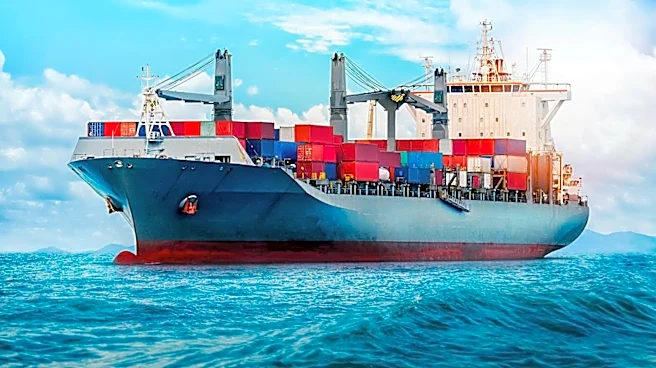
Ukraine is actively considering additional insurance coverage for ships transporting food exports to revitalize seaborne trade, which has been severely hampered by Russian attacks on vessels and port infrastructure. According to the UCAB lobby group,
following a meeting with Ukraine’s president and prime minister, the primary challenge remains ensuring the safety of maritime transport and the stability of export corridors, with the introduction of ship-insurance mechanisms being a key discussion point. Since the summer, Russia has intensified attacks on Ukrainian seaports and commercial vessels, effectively halting approximately 90% of Ukraine's traditional export cargo through Black Sea ports. This disruption has already led to a 60% reduction in agricultural exports, jeopardizing the upcoming planting campaign and harvest. Ukraine had previously introduced a state compensation scheme in 2023 to cover damage to vessels from attacks and launched the Unity Facility, a war-risk insurance mechanism involving the government, Marsh McLennan, and Lloyd’s of London underwriters. Farmers' union UAC also suggested lending secured against stored grain as a way to improve farmers' financial stability, allowing them to use grain in certified warehouses as collateral for working-capital loans and avoid immediate sales at depressed domestic prices.
Why It's Important?
The revival of Ukraine's food exports is critical for both its national economy and global food security. Ukraine produces roughly three times more grain than it consumes, and without unrestricted export access, the country faces a severe shortage of grain-storage capacity, a sharp fall in domestic prices, and potential farmer bankruptcies. The inability to export not only impacts current harvests but also threatens future agricultural production by disincentivizing farmers. For the U.S. and the global community, disruptions to Ukrainian grain exports contribute to volatility in international food markets, potentially leading to higher prices and increased food insecurity, particularly in import-dependent nations. The exploration of enhanced ship insurance mechanisms is a direct response to the reluctance of shipowners to operate in the high-risk Black Sea environment. By de-risking maritime transport through insurance, Ukraine aims to restore confidence and encourage the resumption of commercial shipping, thereby stabilizing its agricultural sector and contributing to global food supply. The proposed lending scheme for farmers also addresses immediate financial pressures, preventing a collapse in domestic prices and ensuring the viability of agricultural operations.
What's Next?
The discussions around ship insurance mechanisms indicate a proactive approach by Ukraine to find practical solutions to the ongoing export crisis. The next steps will likely involve detailed negotiations with international insurance providers and financial institutions to develop comprehensive and affordable war-risk insurance policies. The effectiveness of these new mechanisms will depend on their ability to adequately cover the risks faced by shipowners and cargo, thereby attracting vessels back to Ukrainian ports. Simultaneously, the proposal for lending secured against stored grain will require collaboration between the Ukrainian government, financial institutions, and agricultural bodies to establish a robust framework for collateralized loans. The success of these initiatives will be crucial for the 2027 planting campaign and subsequent harvest, as farmers need financial stability and reliable export channels to continue production. The international community will be closely watching these developments, as a successful model could offer a blueprint for other conflict-affected regions.
Beyond the Headlines
The focus on ship insurance and financial mechanisms highlights the evolving nature of economic warfare and the innovative solutions required to circumvent its impacts. This situation underscores the critical role of the insurance industry in enabling trade and mitigating risks in geopolitical hotspots. The involvement of international entities like Marsh McLennan and Lloyd’s of London in war-risk insurance mechanisms demonstrates a global recognition of the need to maintain essential trade flows even amidst conflict. Furthermore, the proposed lending against stored grain reflects a broader strategy to support the agricultural sector's resilience, moving beyond immediate humanitarian aid to sustainable economic solutions. This approach could set a precedent for how nations and international bodies address the economic consequences of conflict, emphasizing self-sufficiency and market-based solutions where possible. The long-term implications could include the development of more sophisticated risk assessment and insurance models for conflict zones, as well as enhanced financial support structures for agricultural producers in vulnerable regions.