




What's Happening?
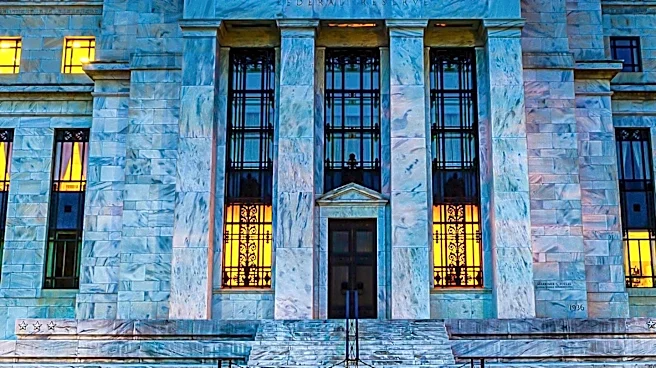
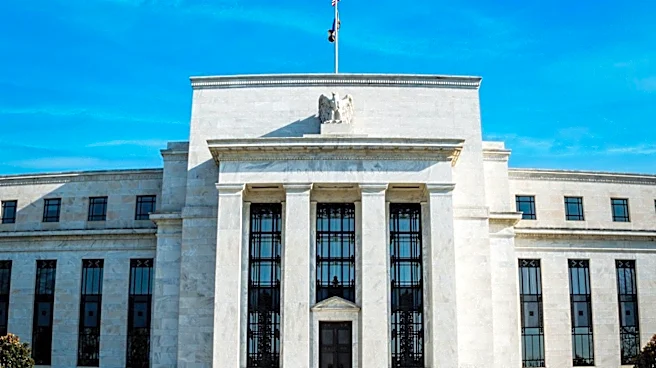
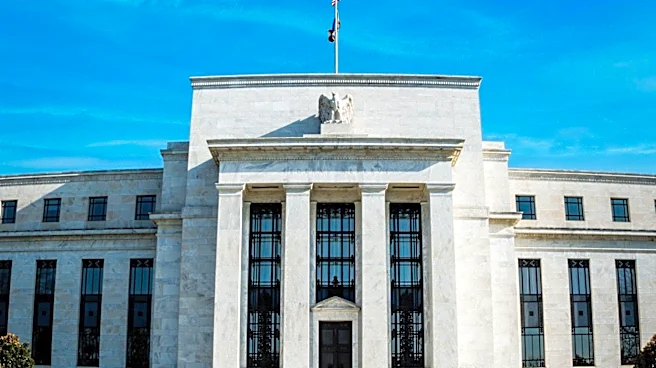
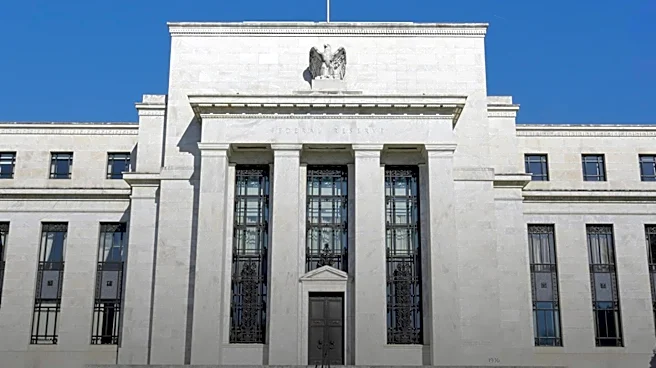
The market is anticipating a near-certain 25 basis point interest rate hike by the Federal Reserve at its upcoming Federal Open Market Committee (FOMC) meeting, scheduled for December 8–9. This expectation is largely driven by recent U.S. economic data,
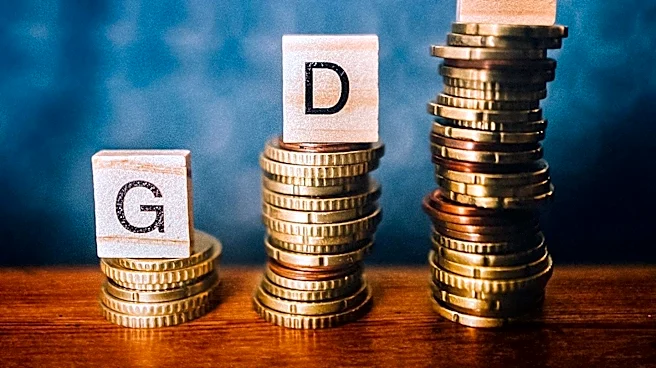
which continues to show impressive resilience. The third-quarter GDP growth saw a sharp upward revision, and major retailers like Best Buy, Dick’s, and Kohl’s reported earnings beats and improved outlooks, following strong results from Target and Walmart. Furthermore, the October PCE inflation report, a key measure for the Federal Reserve, indicated annual headline inflation at 3.8% and core inflation at 3.3%. This combination of robust growth and persistent inflation has solidified market expectations for the Fed's tightening trajectory. The dollar has also strengthened, with the DXY index closing just above 104, reflecting these economic conditions.
Why It's Important?
A 25 basis point interest rate hike by the Federal Reserve has significant implications for the U.S. economy and various stakeholders. For consumers, higher interest rates typically translate to increased borrowing costs for mortgages, auto loans, and credit cards, potentially impacting purchasing power and consumer spending. Businesses may face higher costs for capital, which could influence investment decisions and expansion plans. The strengthening dollar, a consequence of higher rates and economic resilience, can make U.S. exports more expensive and imports cheaper, affecting trade balances and the competitiveness of American companies in global markets. Financial markets will also react, with potential shifts in bond yields and equity valuations as investors adjust to the new interest rate environment. While the hike aims to curb inflation, it also carries the risk of slowing economic growth, creating a delicate balancing act for the Fed.
What's Next?
The market is closely watching upcoming macroeconomic data, particularly labor market indicators, which could influence the Federal Reserve's future policy decisions. Key reports include the November nonfarm payrolls report, the Job Openings and Labor Turnover Survey (JOLTS), and the ADP private payrolls. A significant downside surprise in payrolls or wage growth, or other activity data, would be required to alter the market's current expectation of a rate hike. Beyond the December meeting, the flood of macro data will continue to shape views on the 2027 U.S. economic outlook and market expectations for the path of Fed policy rates. The Fed's communication following the FOMC meeting will be crucial for providing guidance on its future stance and any potential further tightening.
Beyond the Headlines
The Federal Reserve's decision to raise interest rates reflects a broader challenge of managing inflation while sustaining economic growth. This move highlights the ongoing debate about the appropriate level of monetary policy tightening in an environment of resilient economic activity and sticky inflation. The potential for continued rate hikes could lead to a re-evaluation of investment strategies across various sectors, favoring industries less sensitive to borrowing costs or those with strong cash flows. Furthermore, the strengthening dollar could attract foreign investment into U.S. assets, but it also poses challenges for multinational corporations with significant international operations. The Fed's actions are not just about short-term economic adjustments but also about anchoring long-term inflation expectations and maintaining financial stability, with ripple effects across global financial systems.