





What's Happening?
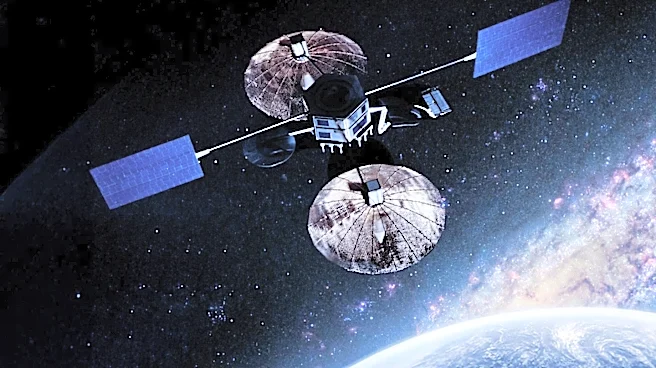
SpaceX has filed a petition with the Federal Communications Commission (FCC) requesting either a blockage or strict operational restrictions on Viasat’s upcoming ViaSat-3 F2 satellite. SpaceX claims that the F2 satellite's radio frequency allocation and
orbital configuration could cause electromagnetic interference with its Starlink constellation. According to SpaceX VP of satellite policy David Goldman, Viasat has failed to coordinate with SpaceX for years despite good faith efforts, and Viasat's own analysis indicates the F2 could cause interference approximately one-third of the time when using specific GHz bands for downlinking. The F2 satellite, cleared for the U.S. market by the FCC in late July, was granted this clearance on the condition that Viasat reach an agreement with Low Earth Orbit (LEO) operators regarding potential radio interference. Amazon Leo has also expressed similar concerns to the FCC regarding coordination issues. The FCC's role includes regulating spectrum use to prevent such interference.
Why It's Important?
This dispute highlights a growing challenge in the rapidly expanding satellite internet industry, particularly concerning spectrum allocation and interference between different types of satellite constellations. SpaceX's Starlink, operating in lower Earth orbit, and Viasat's geostationary satellites, positioned much higher, both utilize similar frequency bands. The FCC's decision in this matter will set a precedent for how future conflicts over spectrum usage are resolved, impacting the operational viability and expansion plans of major satellite internet providers. Unresolved interference issues could degrade service quality for millions of American consumers relying on these services, potentially hindering the growth of broadband access in underserved areas. The outcome will also influence the competitive landscape, determining whether established geostationary satellite operators or newer LEO constellations gain more regulatory flexibility, affecting investment and innovation in the U.S. space and telecommunications sectors.
What's Next?
The FCC will need to review SpaceX's petition and the evidence presented, including Viasat's analysis and the concerns raised by Amazon Leo. Viasat has not yet publicly responded to calls for comment. The FCC's previous conditional clearance for the F2 satellite indicates an expectation for Viasat to coordinate with LEO operators. The commission's decision will likely involve a detailed technical assessment of the potential for electromagnetic interference and the feasibility of mitigation strategies. This regulatory process could lead to new operational guidelines or restrictions for satellite operators to ensure coexistence and prevent service disruptions. The outcome will be closely watched by other satellite companies and could influence future regulatory frameworks for spectrum management in the burgeoning space economy.
Beyond the Headlines
This conflict extends beyond a simple technical dispute, touching upon broader themes of regulatory oversight, market competition, and the future of space-based infrastructure. The FCC's handling of this case will reflect its approach to balancing the interests of established players with those of innovative, rapidly expanding companies. The ongoing 'sea of reciprocal grievances' between LEO giants and legacy operators suggests a need for more robust and proactive coordination mechanisms. The technological challenge of a single, powerful geostationary satellite potentially bombarding thousands of LEO satellites with high-throughput signals underscores the complexity of managing an increasingly crowded orbital environment. The decision could also have implications for international spectrum allocation discussions, as U.S. regulatory precedents often influence global standards in satellite communications.