



What's Happening?
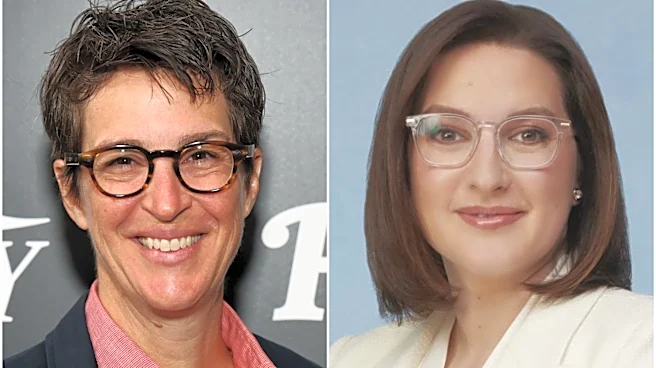
A group of prominent MS NOW hosts, including Rachel Maddow, Jen Psaki, Chris Hayes, and Nicolle Wallace, have signed a letter of solidarity urging MS NOW to adopt a new contract with the Writers Guild of America, East (WGAE). The union, representing approximately
300 members, is seeking expanded representation for an additional 50 employees in various departments, as well as annual and minimum wage increases designed to keep pace with inflation. The current contract is set to expire on December 3. While MS NOW acknowledges constructive talks and supports employees' right to organize, the network has expressed concerns that the proposed wage increases might exceed what other employees across the company and at other networks have received. Rebecca Kutler, President of MS NOW, stated in a memo that the network has offered guaranteed 3% salary increases, enhanced pay for upgraded positions, and a 33% increase in night shift allowance, along with AI-related protections. The WGAE is reportedly seeking 5% annual wage increases for the first two years, 4.5% in the third year, and increases in salary minimums.
Why It's Important?
This negotiation is significant for the U.S. media industry, particularly in the context of evolving labor relations and economic pressures. The WGAE's demands for wage increases tied to inflation and expanded representation reflect a broader trend of unions advocating for better compensation and job security in a volatile media landscape. The inclusion of AI-related protections in the proposed contract highlights growing concerns among media professionals about the impact of artificial intelligence on their work. The outcome of these negotiations could set a precedent for future labor agreements within news organizations, influencing how other media companies approach compensation, benefits, and the integration of new technologies. For MS NOW, a resolution will impact its ability to retain talent, manage operational costs, and maintain its newsgathering capabilities, especially as it continues to build its operations post-Comcast split and invests in direct-to-consumer offerings.
What's Next?
With the current contract expiring on December 3, the coming weeks will be crucial for both MS NOW and the WGAE to reach a resolution. Further negotiations are expected, with both parties aiming for an agreement that addresses their respective concerns. The WGAE will likely continue to leverage the support of prominent hosts to pressure the network for their demands, particularly regarding wage increases and expanded union recognition. MS NOW, in turn, will need to balance its commitment to fair compensation with its financial pressures and long-term growth strategies. The outcome could lead to a new contract that redefines labor standards in the news industry, or, if an agreement is not reached, could result in further labor actions or prolonged negotiations.
Beyond the Headlines
The dispute between MS NOW and the WGAE extends beyond immediate wage and representation issues, touching upon the broader economic realities facing the news industry. Rebecca Kutler's memo, acknowledging that audience growth does not insulate the network from financial pressures, underscores the challenges media companies face in a rapidly changing digital environment. The emphasis on AI protections also points to a fundamental shift in how content is produced and consumed, raising questions about intellectual property, job displacement, and the future of creative labor. This negotiation could serve as a bellwether for how traditional media organizations adapt to technological advancements while striving to maintain fair labor practices and invest in quality journalism, particularly as they cover significant events like the 2028 presidential campaign.