

What's Happening?
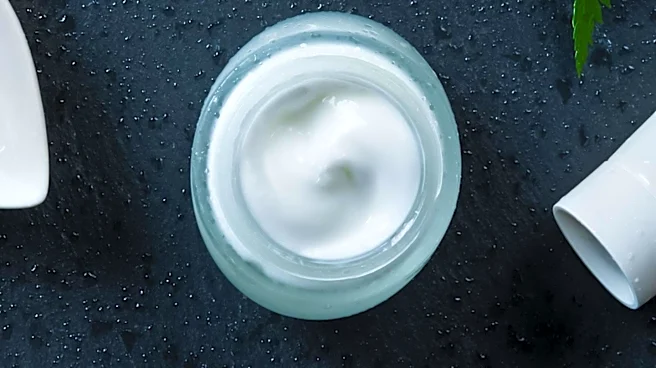
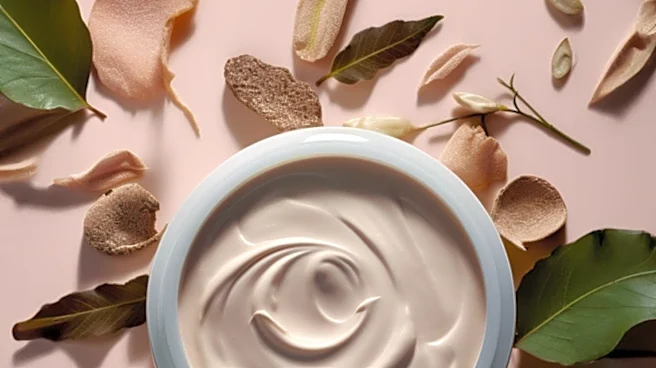
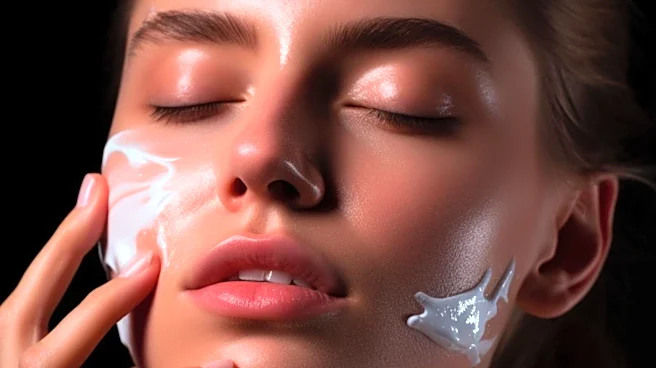
Barrier repair creams are increasingly focusing on specific ingredients like ceramides, peptides, and PDRN to support the skin's natural repair processes, particularly during sleep. Ceramides, which constitute about half of the fats in the skin's outermost
layer, are crucial for restoring the skin's moisture barrier. As individuals age, the body's ceramide levels decrease, leading to increased water loss and irritant penetration, resulting in sensitivity, dullness, and more pronounced lines. Peptides, short chains of amino acids, signal the skin to produce more collagen, aiding in nighttime skin repair. PDRN (polydeoxyribonucleotide), initially used in medicine for wound healing, is now incorporated into skincare for its regenerative properties. Combined with melatonin, these ingredients are designed to enhance the skin's natural repair cycle that occurs while sleeping, when cortisol levels drop, blood flow to the skin increases, and cell turnover accelerates. This approach contrasts with older night creams that were often just repackaged daytime formulas.
Why It's Important?
The emphasis on targeted ingredients in barrier repair creams signifies a shift in the skincare industry towards more scientifically-backed formulations. For consumers, this means products are being developed to address specific physiological changes in the skin, such as age-related ceramide loss and collagen depletion. The inclusion of ingredients like PDRN, with its medical background in wound healing, suggests a move towards more potent and effective regenerative solutions in cosmetic products. This trend could lead to more effective treatments for common skin concerns like sensitivity, dryness, and visible signs of aging, potentially reducing the need for more invasive procedures. The focus on supporting the skin's natural processes rather than simply providing superficial hydration could result in longer-lasting skin health benefits and improved skin resilience against environmental stressors. This also highlights the growing intersection of medical science and cosmetic development.
What's Next?
The skincare market is likely to see continued innovation in barrier repair formulations, with a focus on combining multiple active ingredients like ceramides, peptides, and PDRN. Brands may further invest in research to understand the optimal concentrations and combinations of these ingredients for maximum efficacy. There could also be an increase in personalized skincare solutions, potentially leveraging AI skin analysis systems, as mentioned by some brands, to tailor products to individual skin needs. Consumers can expect more products specifically designed for nighttime use, capitalizing on the skin's natural regenerative cycle during sleep. Regulatory bodies might also face pressure to evaluate the claims and efficacy of these advanced ingredients, ensuring transparency and consumer safety in a rapidly evolving market. The integration of ingredients with medical origins, like PDRN, could also pave the way for more 'cosmeceutical' products that bridge the gap between cosmetics and pharmaceuticals.
Beyond the Headlines
The rise of sophisticated barrier repair creams reflects a broader cultural shift towards proactive and preventative skincare, moving beyond superficial beauty to focus on underlying skin health. This trend underscores a growing consumer awareness of skin physiology and the desire for products that offer tangible, long-term benefits. The use of ingredients like PDRN, originally from wound healing, raises ethical considerations regarding the sourcing and sustainability of such components, as well as the potential for over-medicalization of cosmetic products. Furthermore, the increasing complexity of ingredient lists may necessitate greater consumer education to make informed choices, potentially leading to a demand for clearer labeling and scientific substantiation from brands. This evolution in skincare also highlights the ongoing quest to harness biological processes for anti-aging and skin health, blurring the lines between traditional beauty and biotechnological advancements.