

What's Happening?
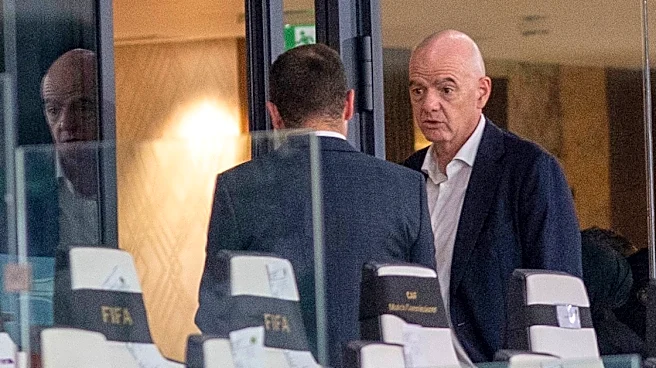
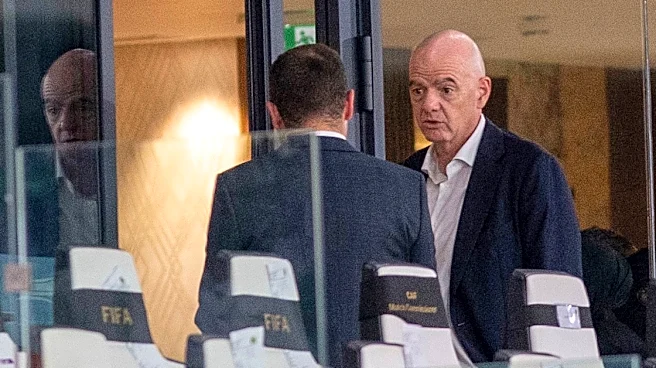
UEFA has reaffirmed its boycott of FIFA tournaments, maintaining its stance against FIFA President Gianni Infantino's leadership. This decision follows Infantino's failed attempt to sell stakes in the World Cup to private investors, a move that was met
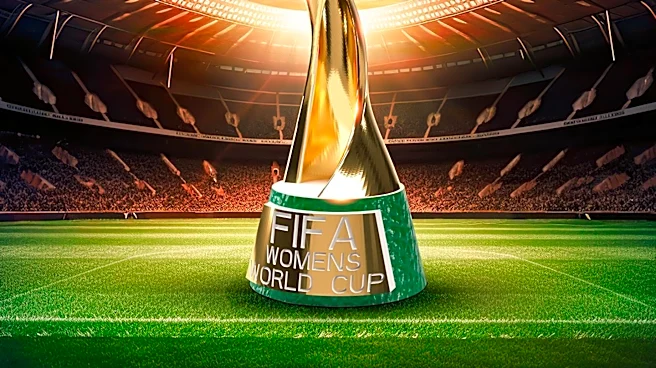
with significant opposition from UEFA and other football associations. Despite Infantino receiving support from FIFA's management board, UEFA and the English Football Association have withdrawn their support for his re-election. The boycott will be tested in upcoming FIFA events, including the FIFA U20 Women's World Cup and the 2027 FIFA Women's World Cup qualifiers.
Why It's Important?
UEFA's continued boycott of FIFA tournaments highlights the deepening rift between European football's governing body and FIFA. This conflict could have significant implications for international football, potentially affecting tournament participation and the governance of the sport. The situation underscores the challenges facing FIFA under Infantino's leadership, particularly regarding transparency and decision-making processes. The boycott also reflects broader concerns about the commercialization of football and the need to protect the integrity of the sport.
What's Next?
The upcoming FIFA tournaments will serve as a critical test for UEFA's boycott, with potential impacts on team participation and tournament outcomes. The situation may prompt further discussions within FIFA about governance reforms and the role of private investment in football. Additionally, the ongoing conflict could influence the upcoming FIFA presidential election, with Infantino's leadership under scrutiny. Stakeholders in the football community may continue to advocate for changes to ensure transparency and accountability in FIFA's operations.