



What's Happening?
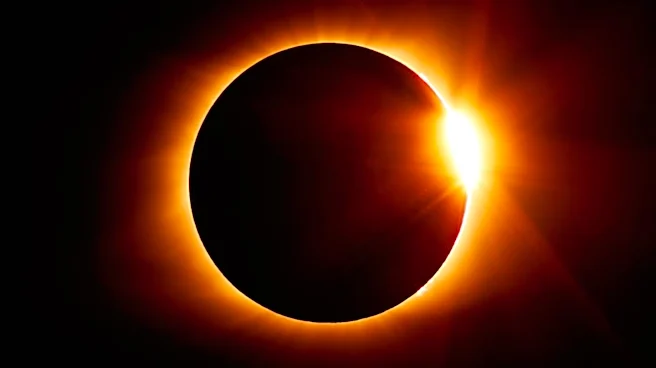
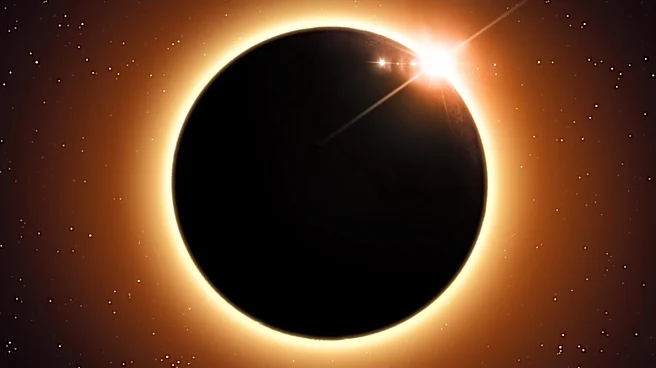
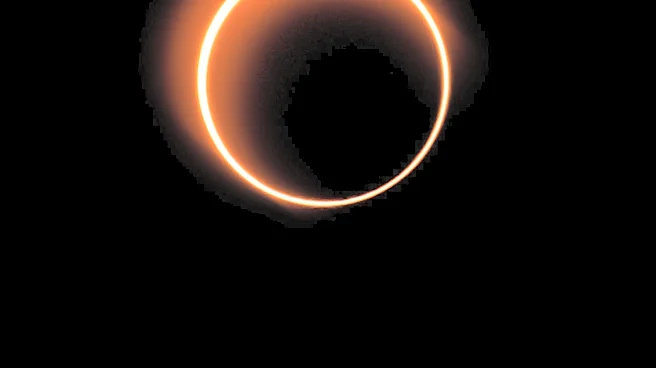
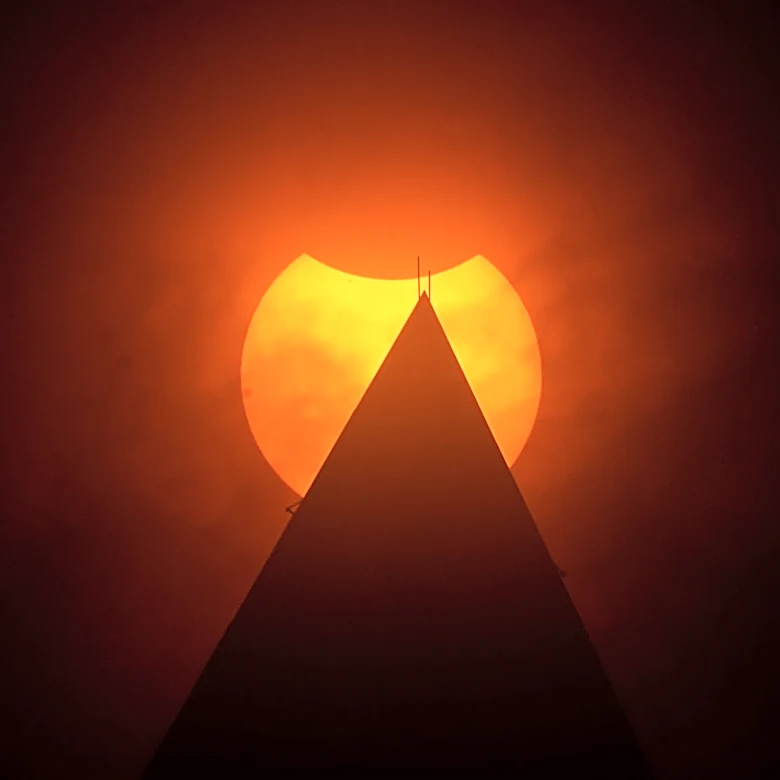
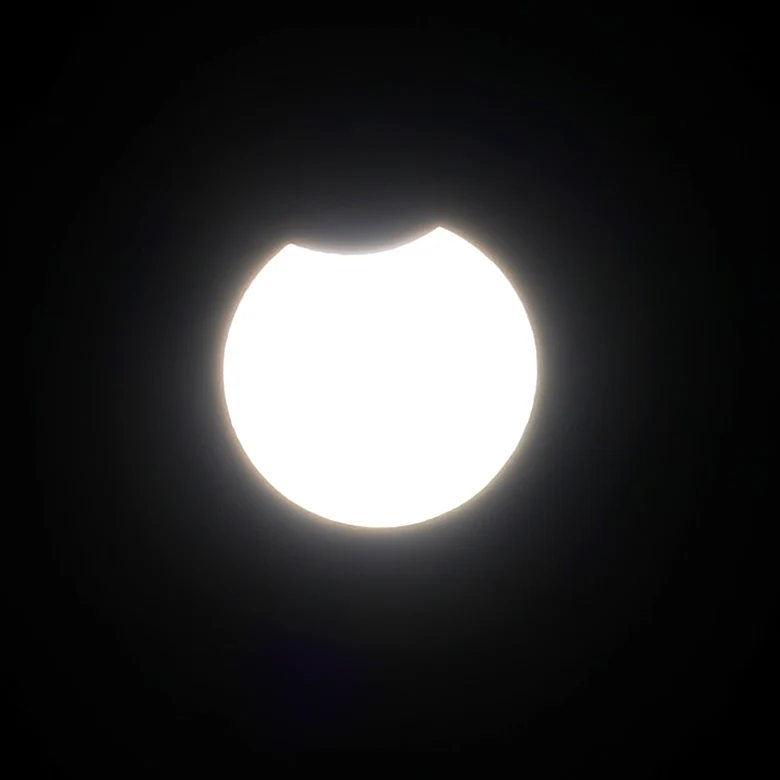
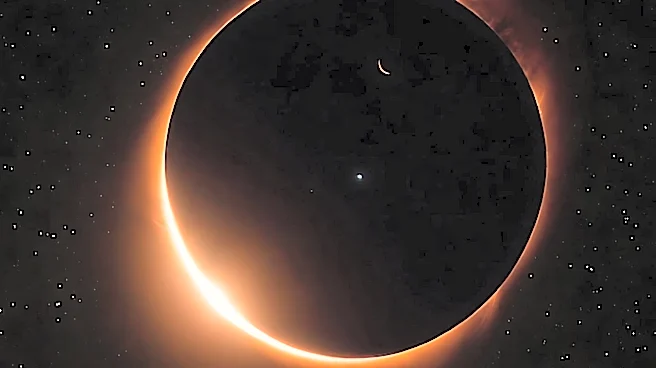
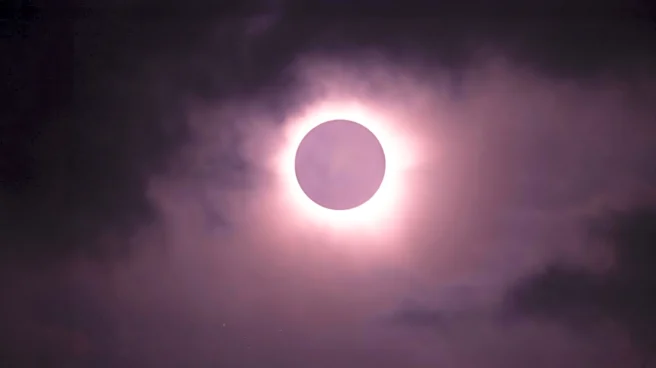
A total solar eclipse is set to occur on August 12, 2026, visible in its totality across parts of Spain, Portugal, Greenland, and Iceland. The event will also be partially visible in northern North America and other parts of Europe. This celestial event,
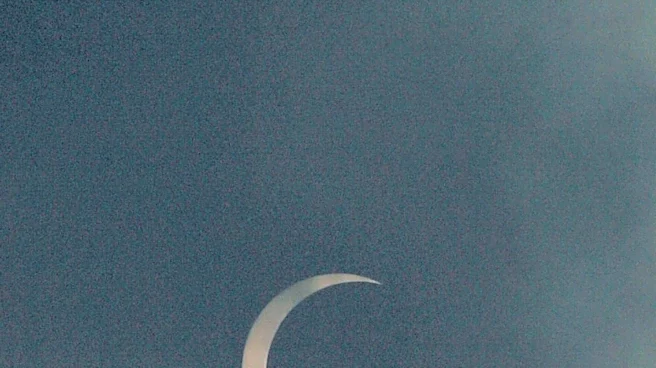
where the Sun is obscured by the Moon, offers a unique opportunity for both viewing and photography. Enthusiasts are advised to use solar glasses for safe viewing and consider various photography techniques to capture the eclipse's phases, including the use of telephoto lenses and solar filters.
Why It's Important?
Solar eclipses are rare astronomical events that provide significant opportunities for scientific observation and public engagement with astronomy. The 2026 eclipse offers a chance for educational outreach and increased interest in space science. For photographers, it presents a challenging yet rewarding subject, encouraging the use of specialized equipment and techniques. The event also highlights the importance of safety measures, such as solar glasses, to prevent eye damage during observation.
What's Next?
As the eclipse date approaches, there will likely be increased public interest and media coverage, leading to educational programs and community events centered around the eclipse. Photography enthusiasts and professionals may share their experiences and images, contributing to a broader appreciation of the event. Additionally, the eclipse may inspire future interest in astronomy and related fields, particularly among younger audiences.
Beyond the Headlines
The fascination with solar eclipses underscores a broader human curiosity about celestial phenomena and the universe. This event may also prompt discussions about the cultural and historical significance of eclipses across different societies. Furthermore, it highlights the role of technology in enhancing our understanding and appreciation of natural events, as advancements in photography and optics allow for more detailed and accessible documentation.