



What's Happening?
A recent survey conducted by the American Chamber of Commerce in Ukraine indicates that U.S. firms operating in the country are grappling with significant operational challenges due to intensified Russian attacks. Electricity outages remain the primary
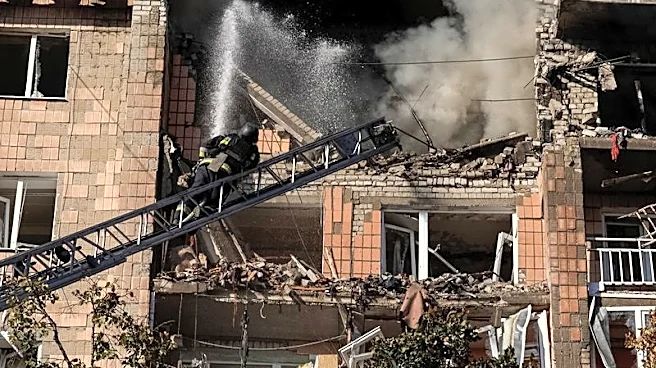
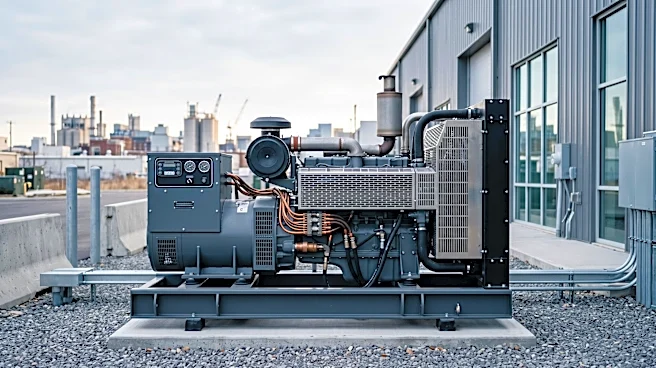
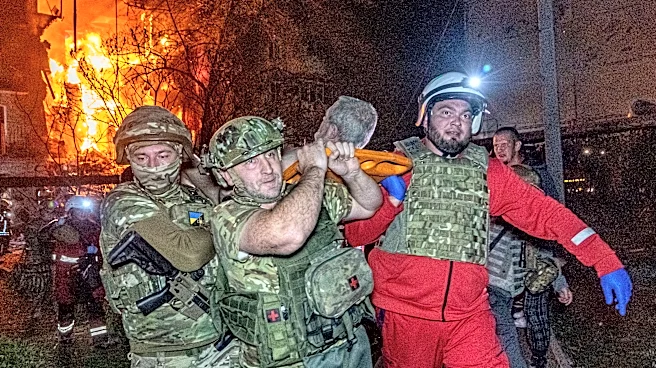
concern for 62% of businesses. Facilities belonging to major U.S. brands, including Coca-Cola, PepsiCo, McDonald's, and Oreo, have sustained damage from Russian missile and drone strikes. While companies are actively preparing for another winter under wartime conditions, 60% of planned measures, such as strengthening backup energy supply and employee support plans, are yet to be implemented. Supply chain risks are prompting 60% of companies to develop or plan alternative logistics routes within the next three months. Despite these challenges, most companies possess sufficient liquidity to cover payroll for at least six months, though one-third lack reserves for unforeseen expenses.
Why It's Important?
The operational challenges faced by U.S. firms in Ukraine have broad implications for the U.S. business community and international investment in conflict zones. The damage to facilities of prominent American brands underscores the direct economic impact of the conflict on U.S. interests. The prevalence of electricity outages highlights the vulnerability of critical infrastructure and the need for robust energy resilience strategies. The necessity for companies to develop alternative logistics routes signifies a fundamental shift in global supply chain management, emphasizing adaptability and diversification in high-risk environments. The survey's findings also reflect the broader economic strain on Ukraine, as foreign investment and business continuity are crucial for its post-war recovery. The lack of reserves for unforeseen expenses among a third of companies indicates potential financial fragility, which could lead to business closures or reduced operations, further impacting the Ukrainian economy and employment.
What's Next?
In the coming months, U.S. firms in Ukraine will likely prioritize the implementation of winter preparedness measures, focusing on securing backup energy supplies and refining employee support plans. The development of alternative logistics routes will continue to be a critical focus for companies reliant on stable supply chains. The American Chamber of Commerce in Ukraine will likely continue to advocate for support and solutions to mitigate the impact of ongoing attacks. The situation may also prompt discussions within the U.S. government regarding the protection of American business interests in conflict zones and potential aid or insurance mechanisms. Companies will need to continuously adapt their operational strategies to the evolving security landscape, balancing business continuity with employee safety and financial prudence. The long-term presence and investment of these firms will depend heavily on the stability of the region and the effectiveness of their resilience strategies.
Beyond the Headlines
The targeting of facilities linked to American companies raises questions about the intentionality of these attacks and their potential to deter foreign investment. The statement from Andy Hunder, President of the American Chamber of Commerce in Ukraine, expressing regret over the lack of response from the White House regarding the targeting of American businesses, suggests a deeper geopolitical dimension. This situation could influence future foreign policy decisions regarding the protection of U.S. economic interests abroad and the role of the U.S. government in supporting its companies in conflict zones. Furthermore, the challenges faced by these firms could serve as a case study for other international businesses operating in volatile regions, prompting a re-evaluation of risk assessment, contingency planning, and corporate social responsibility in times of war. The resilience and adaptability of these companies will also offer insights into the future of global business operations in an increasingly unpredictable world.