





What's Happening?
Actor Bruce Campbell's career trajectory, including his move to rural Oregon, was significantly influenced by an early negative experience with studio interference during the production of the 1985 black comedy 'Crimewave.' Originally slated for the lead
role, Campbell was rejected by the studio, with Reed Birney ultimately taking the central part. This incident, coupled with the filmmakers losing substantial creative control over the movie's editing and final cut, left Campbell with a lasting negative impression of studio filmmaking. This contrasted sharply with his experience on the independently financed 'The Evil Dead,' where he and director Sam Raimi maintained creative autonomy despite a smaller budget. This early exposure to both independent freedom and studio constraints shaped Campbell's philosophy, leading him to prioritize control over larger budgets throughout his career.
Why It's Important?
Campbell's experience highlights a recurring tension within the U.S. film industry between creative vision and commercial interests. His decision to move away from Hollywood and pursue independent projects underscores a broader trend where artists seek greater autonomy outside the traditional studio system. This pursuit of creative control can lead to more unique and personal works, but often comes with financial risks. For audiences, this dynamic can result in a wider variety of films, from large-scale studio productions to niche independent features. For aspiring filmmakers and actors, Campbell's story serves as a case study in navigating the complexities of the industry and prioritizing artistic integrity over conventional career paths, potentially inspiring more independent productions and diverse storytelling.
What's Next?
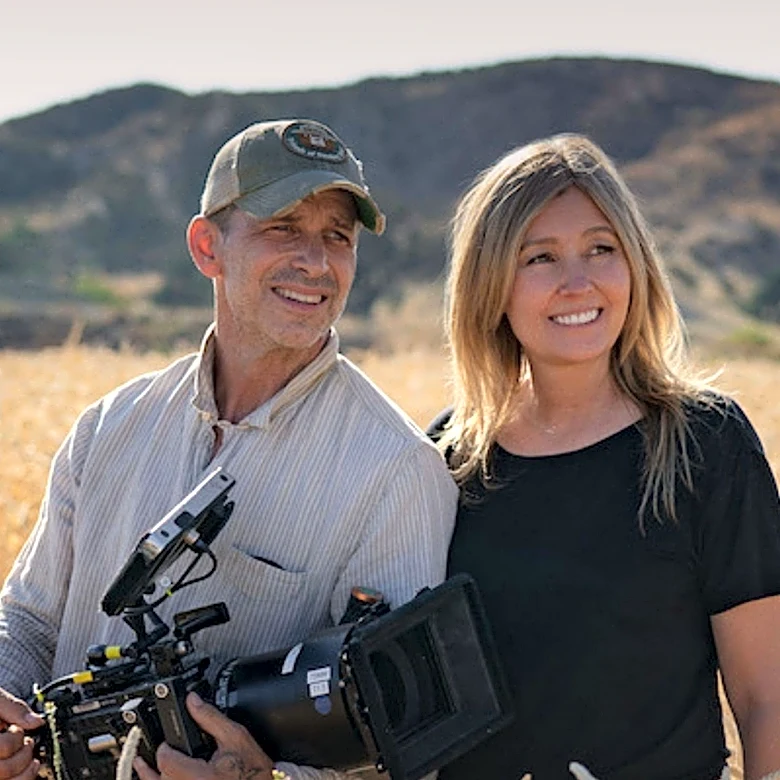
Campbell continues to embrace his independent philosophy, as evidenced by his recent Oregon-shot comedy-drama 'Ernie & Emma,' which he wrote, directed, and produced independently with his wife, Ida Gearon. This approach allows him to maintain full creative control, from filming locations to the final cut, without studio interference. This model could inspire other actors and filmmakers to pursue similar independent ventures, potentially leading to a rise in artist-driven projects outside the major studio system. His continued engagement with fan conventions also suggests a sustained direct relationship with his audience, bypassing traditional marketing channels and further solidifying his independent career path.
Beyond the Headlines
Campbell's career reflects a deeper cultural shift in how success is defined within the entertainment industry. His rejection of Hollywood's networking culture and focus on the craft of acting, rather than celebrity endorsements or unrelated business ventures, challenges the conventional metrics of fame. His move to rural Oregon also speaks to a desire for privacy and a life removed from the constant scrutiny of the entertainment capital. This deliberate choice to prioritize personal well-being and creative freedom over the trappings of celebrity offers a counter-narrative to the often-glamorized Hollywood lifestyle, suggesting that a fulfilling career in the arts can be forged on one's own terms, even if it means stepping away from the mainstream.