
What's Happening?
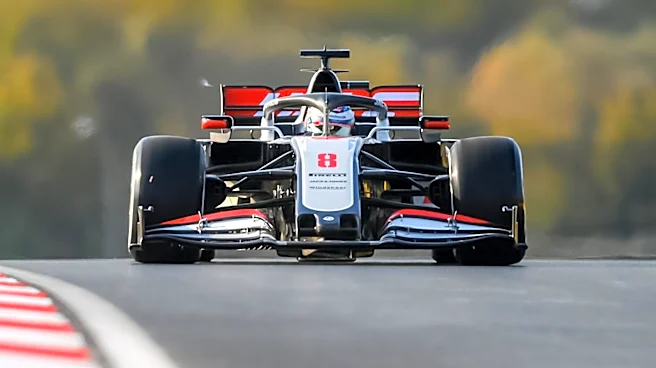
Haas has decided to equip Oliver Bearman with the new Ferrari engine for the Italian Grand Prix, while teammate Esteban Ocon will not receive the upgrade immediately. This decision comes as Ferrari introduces
an updated power unit, but only one unit is currently available for its customer teams like Haas. Team boss Ayao Komatsu explained that the choice was made to distribute upgrades as fairly as possible between the two drivers, noting that Ocon had previously received priority for other technical evolutions, such as braking system and power steering upgrades. Komatsu emphasized the team's commitment to transparency in handling such situations, acknowledging that Ocon might not be pleased but asserting that the decision serves the team's best interests and represents the most equitable approach given the limited availability. The team opted to immediately utilize the performance gain at Monza, a circuit where engine power is crucial, rather than waiting for a second engine to ensure both cars are identical.
Why It's Important?
This decision highlights the strategic challenges faced by Formula 1 teams, particularly customer teams, when new technical upgrades are introduced with limited availability. For Haas, prioritizing immediate performance gains at a power-sensitive track like Monza underscores the competitive pressure to maximize every advantage. The allocation of a single new engine to Oliver Bearman could potentially create a performance disparity between the two Haas cars, which might influence race outcomes and driver standings. This situation also sheds light on the internal dynamics of a racing team, where fairness in distributing resources is crucial for team morale and driver performance. While Komatsu stresses transparency and equitable distribution over time, the immediate impact on Ocon, especially as his seat for 2027 is under evaluation, could be significant. The choice reflects a pragmatic approach to competition, balancing the ideal of equal equipment with the reality of limited resources and the pursuit of immediate on-track results.
What's Next?
Oliver Bearman will utilize the new Ferrari engine at the Italian Grand Prix, potentially giving him a performance edge over Esteban Ocon. Ocon will have to wait for his turn to receive the upgraded power unit, which could impact his performance in upcoming races. The team's decision to prioritize Bearman for this specific upgrade, following Ocon's previous priority for other components, suggests a rotating system for distributing limited resources. Haas will continue to monitor the performance of both drivers and the new engine's impact. The situation also adds another layer to the ongoing evaluation of drivers for the 2027 season, as Ocon is one of five candidates vying for a single seat. The team's transparency in explaining the decision aims to manage expectations and maintain internal cohesion, but the on-track results at Monza will be closely watched to assess the immediate impact of this strategic choice.
Beyond the Headlines
The allocation of a single new engine to one driver over another, even with a stated policy of fairness, can have subtle yet profound psychological and competitive implications within a team. For Esteban Ocon, who is already in a competitive fight for his 2027 seat, not receiving the immediate engine upgrade could be perceived as a disadvantage, potentially affecting his confidence and performance under pressure. Conversely, Oliver Bearman's receipt of the upgrade could boost his morale and provide an opportunity to demonstrate his capabilities further. This scenario also highlights the inherent tension between individual driver ambitions and overall team objectives. While Haas aims for transparency, the practical outcome is a temporary imbalance that could influence future contract negotiations and team dynamics. The decision also reflects the broader economic and logistical constraints in Formula 1, where even top-tier teams face limitations in immediately providing identical, cutting-edge equipment to all their drivers, forcing strategic compromises that ripple through the competitive landscape.