


What's Happening?
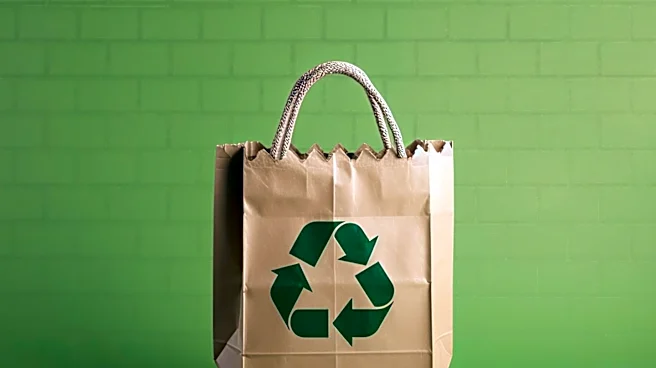
GE Vernova is actively seeking a Global Circularity & Resilience Program Manager to lead its enterprise-wide circularity strategy and 4R Circularity Program (Rethink, Reduce, Reuse, Recycle). This role is critical for developing, deploying, governing,
and continuously improving circular economy initiatives across all of GE Vernova's businesses, functions, and global operations. The manager will serve as the company's subject matter expert in circular economy principles, critical materials, material resilience, and resource stewardship. Key responsibilities include leading circular materials strategies with sourcing and supplier teams to accelerate the adoption of recycled, renewable, and low-carbon materials, as well as promoting material recovery and reducing reliance on virgin materials. The position also involves leading resource resilience strategies to identify and mitigate risks associated with critical materials, resource scarcity, supply disruptions, and geopolitical dependencies.
Why It's Important?
This strategic hire by GE Vernova underscores a significant commitment to sustainable business practices within a major U.S. industrial company. The focus on circularity and resilience directly addresses growing concerns about environmental impact, resource depletion, and supply chain vulnerabilities, which have broad implications for U.S. industries and the economy. By accelerating the adoption of recycled and low-carbon materials, GE Vernova aims to reduce its environmental footprint, potentially setting a precedent for other large corporations. The emphasis on mitigating risks related to critical materials and supply disruptions is crucial for national economic security, especially in sectors reliant on complex global supply chains. This initiative can lead to more stable and resilient manufacturing processes, reducing dependence on volatile international markets and fostering domestic innovation in sustainable materials. Furthermore, the development of enterprise circularity KPIs and reporting mechanisms will enhance transparency and accountability, influencing investor confidence and regulatory expectations for corporate sustainability.
What's Next?
The Global Circularity & Resilience Program Manager will be instrumental in integrating circularity and resilience principles into GE Vernova's product development, services, operations, and value chains. This will involve partnering closely with engineering, product management, services, supply chain, and sustainability teams. The role will also support enterprise strategies to improve long-term material availability, resource security, and supply chain resilience through circular economy approaches. The manager will be responsible for developing and tracking circularity KPIs, dashboards, and reporting mechanisms to drive continuous improvement. Additionally, the position will involve monitoring circular economy regulations, customer expectations, and industry trends, and representing GE Vernova in industry associations and customer engagements. This indicates a proactive approach to adapting to evolving market demands and regulatory landscapes, potentially influencing broader industry standards and practices in the U.S. and globally.
Beyond the Headlines
GE Vernova's dedicated focus on circularity and resilience reflects a deeper shift in corporate responsibility and strategic planning within the U.S. business landscape. Beyond the immediate environmental and economic benefits, this initiative highlights a growing recognition that long-term business viability is intrinsically linked to sustainable resource management and robust supply chains. The emphasis on 'rethinking' materials and processes suggests a fundamental re-evaluation of traditional industrial models, moving towards a more regenerative approach. This could foster a culture of innovation within the company, driving the development of new technologies and business models that prioritize resource efficiency and waste reduction. Ethically, it signals a commitment to minimizing the ecological impact of industrial operations and contributing to a more sustainable future. Culturally, it may influence consumer expectations and investor priorities, pushing other companies to adopt similar comprehensive sustainability strategies, thereby accelerating the transition towards a more circular economy across various sectors.