






What's Happening?
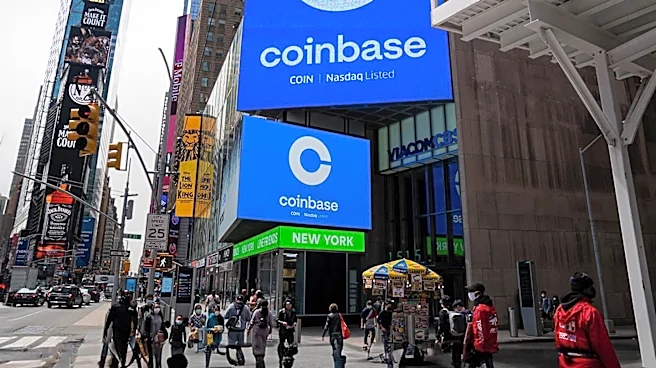
Ripple and Coinbase have announced a partnership to make Ripple USD (RLUSD) available on Coinbase's platforms. Starting October 28, 2026, individual and institutional clients can trade and hold RLUSD on Coinbase Prime, Coinbase Exchange, and the Coinbase Retail
App. This collaboration aims to increase the stablecoin's accessibility for institutional investors in the U.S. Customers can exchange US dollars and other supported dollar-stablecoins for RLUSD at a 1:1 ratio. Deposits and withdrawals are facilitated across XRP Ledger (XRPL), Base, and Ethereum, allowing for flexible movement between different blockchain networks. Ripple also plans to provide liquidity on Base, Coinbase's Layer-2 chain. Future plans include enabling Coinbase Global Exchange customers to use RLUSD as collateral, though a specific timeline for this feature has not yet been provided. This deal follows closely on the heels of another partnership between Ripple and Robinhood to integrate RLUSD into Robinhood's private and institutional business, and BNY's support for XRP and RLUSD custody.
Why It's Important?
This partnership is a significant step for Ripple in expanding the reach and adoption of its RLUSD stablecoin within the U.S. market. By making RLUSD available on Coinbase, one of the largest cryptocurrency exchanges in the U.S., Ripple gains substantial distribution and exposure to a broad base of retail and institutional investors. This move could enhance RLUSD's liquidity and utility, potentially increasing its market share in the competitive stablecoin landscape. The ability to use RLUSD as collateral on Coinbase Global Exchange, once implemented, could further integrate it into the broader financial ecosystem, offering new avenues for trading and financial services. For Coinbase, offering RLUSD diversifies its stablecoin offerings and caters to the growing demand for regulated digital assets. The increased competition among stablecoins, as evidenced by RLUSD's market capitalization trailing PayPal's PYUSD, highlights the strategic importance of such partnerships in securing market position and fostering growth in the rapidly evolving digital asset space.
What's Next?
Ripple is expected to continue its efforts to secure more market share for RLUSD through further collaborations and integrations. The focus will likely be on the successful implementation of RLUSD as collateral on Coinbase Global Exchange and monitoring its adoption by institutional investors for settlement purposes. The market will be watching to see if RLUSD can close the gap with competitors like PayPal's PYUSD in the coming weeks and months. The ongoing expansion of RLUSD's availability across major platforms like Coinbase and Robinhood, coupled with custody support from institutions like BNY, suggests a concerted strategy by Ripple to establish RLUSD as a prominent player in the stablecoin market. Future developments may include additional features, expanded blockchain support, and further partnerships to enhance RLUSD's utility and appeal to a wider user base.
Beyond the Headlines
The increasing integration of stablecoins like RLUSD into mainstream financial platforms like Coinbase reflects a broader trend towards the institutionalization of digital assets. This development raises important questions about the future of traditional finance and the role of blockchain technology in facilitating faster, more efficient transactions. The backing of RLUSD by dollar deposits and short-term U.S. Treasury bonds underscores the growing demand for transparent and regulated stablecoins, which can bridge the gap between traditional fiat currencies and the volatile cryptocurrency market. As more stablecoins enter the market and gain wider adoption, regulatory frameworks will likely evolve to address concerns around financial stability, consumer protection, and anti-money laundering. The competition among stablecoin providers could also drive innovation in digital payment systems and cross-border transactions, potentially reshaping global financial infrastructure and offering new opportunities for economic growth and financial inclusion.