


What's Happening?
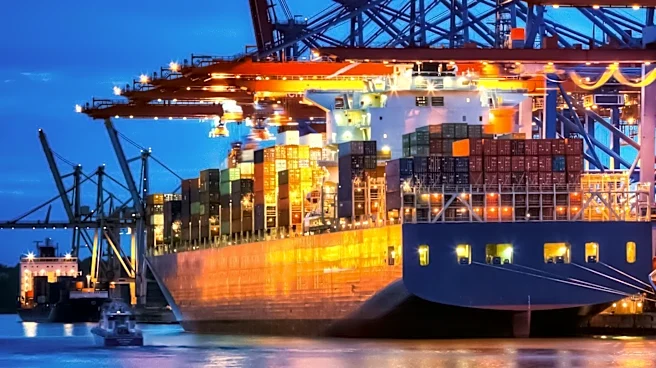
U.S. businesses and consumers importing goods from overseas are subject to various charges, including import taxes, customs duties, and tariffs, which are levied by the destination country. These charges are not set by the seller but by the importing country's
customs and tax authorities. Import taxes can manifest as VAT, GST, sales tax, or other local consumption taxes. Customs duties are charges applied based on the type, value, and country of origin of the goods, as well as the specific customs rules of the destination country. Tariffs are a specific type of customs duty often used as part of a country's trade policy and can change with new government measures. Additionally, delivery companies may impose fees for processing customs clearance. The specific charges and their applicability depend on various factors, including value thresholds, product type, declared value, and material origin, making it crucial for importers to verify current rules with official customs or tax authorities before placing international orders.
Why It's Important?
The complexity and variability of import taxes and customs duties significantly impact U.S. businesses engaged in international trade and consumers making online purchases from abroad. These charges represent additional costs beyond the product price and shipping, directly affecting the final landed cost of imported goods. For businesses, accurately forecasting these costs is essential for pricing strategies, supply chain management, and overall profitability. Unexpected duties can erode profit margins or make products uncompetitive. For consumers, unforeseen charges can lead to frustration and potentially abandoned purchases, impacting customer satisfaction for international retailers. The dynamic nature of these regulations, particularly with trade policies and executive actions, creates an environment of uncertainty, requiring constant vigilance and due diligence from importers to avoid delays, penalties, or unexpected expenses. This system also highlights the role of government policy in influencing trade flows and consumer purchasing behavior.
What's Next?
Importers, both businesses and individuals, will need to continue proactively researching and understanding the specific import regulations of the United States before engaging in international transactions. This involves consulting official U.S. Customs and Border Protection (CBP) resources and potentially licensed customs brokers to obtain the most current information on tariffs, duties, and taxes. Given that these regulations can change frequently due to evolving trade policies, continuous monitoring of updates from relevant government authorities will be necessary. For goods from countries like Mexico, which often qualify for preferential treatment under agreements like USMCA, verifying the rules of origin will remain critical to determine eligibility for duty exemptions. Failure to adequately prepare for these charges could result in parcels being refused, returned to the sender, or incurring additional processing fees, leading to delays and financial losses.
Beyond the Headlines
The intricate web of import taxes and customs duties reflects a broader interplay between national economic policies, international trade agreements, and consumer protection. While these measures generate revenue for the importing country, they also serve as tools for trade policy, potentially protecting domestic industries or influencing consumer choices. The responsibility placed on the recipient to understand and pay these charges underscores a global trend where the onus of compliance often falls on the end-user or importer, rather than solely on the seller. This can create a barrier to entry for smaller businesses looking to engage in international e-commerce and can disproportionately affect consumers who are less familiar with complex trade regulations. The ongoing evolution of these rules, particularly in response to geopolitical shifts and economic pressures, highlights the constant need for transparency and accessible information to ensure fair and predictable international trade.