






What's Happening?
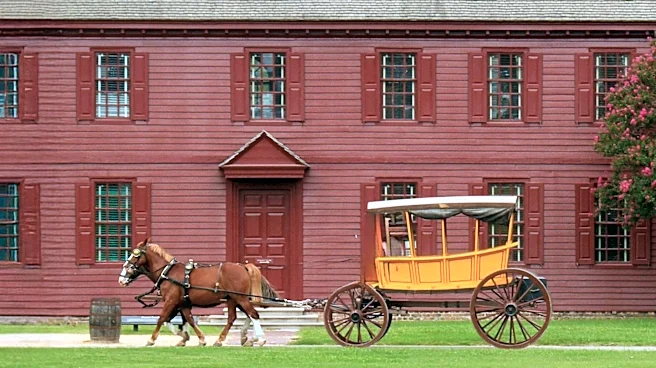
Lancaster County, Pennsylvania, is being highlighted as a travel destination offering a wide array of experiences that extend beyond its well-known Amish communities and outlet malls. Chris Barley, a local resident, emphasizes the region's rich offerings,
including a notable food scene, excellent antiquing opportunities, significant early American history, vibrant theaters and galleries, and diverse outdoor recreation. The area is also easily accessible from major East Coast cities via Amtrak, connecting it to Philadelphia, New York, Harrisburg, and Pittsburgh. Lancaster City itself is compact, allowing visitors to explore much of its downtown on foot. The region's agricultural landscape, particularly in spring and summer, provides fresh produce and hosts local fairs and festivals, such as the Washington Boro Tomato Festival.
Why It's Important?
This expanded view of Lancaster County is important for several reasons. Economically, it aims to diversify the region's tourism appeal, attracting a broader range of visitors interested in culture, history, and culinary experiences, rather than solely focusing on Amish tourism. This diversification can lead to more stable and varied revenue streams for local businesses, including restaurants, art galleries, and historical sites. Socially, it promotes a more comprehensive understanding of Lancaster County's identity, showcasing its evolving cultural landscape and the contributions of its increasingly diverse population. By highlighting its accessibility and varied attractions, the region can position itself as a competitive destination in the East Coast tourism market, fostering economic growth and community development.
What's Next?
To further promote its diverse attractions, Lancaster County will likely continue to develop and market itineraries that showcase its historical sites, culinary scene, and arts and culture. Local tourism boards and businesses may collaborate to create packages that combine different aspects of the county, encouraging longer stays and repeat visits. There will likely be continued investment in infrastructure to support tourism, including accommodations and transportation. Educational initiatives could also be launched to inform potential visitors about the breadth of experiences available, moving beyond common stereotypes. The focus will be on sustained growth in tourism by appealing to a wider demographic and highlighting the unique blend of urban and rural attractions.
Beyond the Headlines
The narrative shift for Lancaster County reflects a broader trend in regional tourism: moving beyond single-attraction branding to embrace a more holistic and diverse identity. This approach acknowledges that modern travelers often seek multi-faceted experiences that combine cultural immersion, historical exploration, and local gastronomy. For Lancaster, this means recognizing and promoting its vibrant city life, its role in American history, and its burgeoning arts scene alongside its traditional Amish heritage. This strategy can help combat over-reliance on a single tourism niche, making the region more resilient to changes in travel trends and consumer preferences. It also encourages a more authentic engagement with the local community and its various facets, fostering a deeper appreciation for the area's unique character.