





What's Happening?
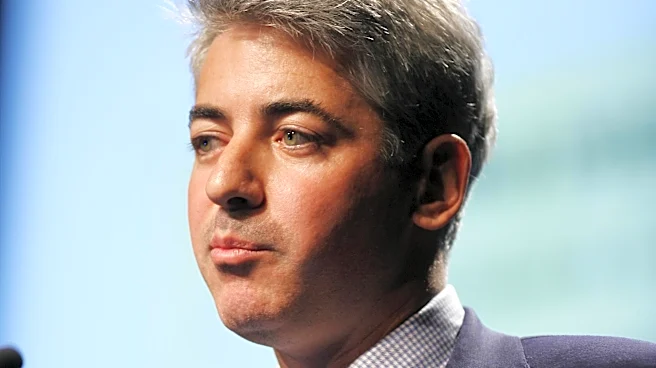
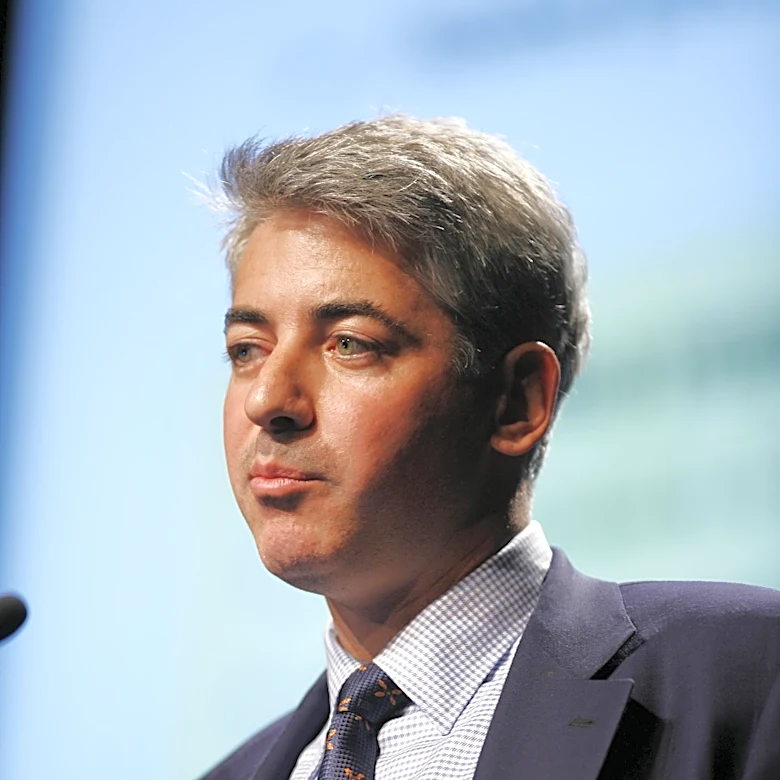
In the third quarter of 2026, Carl Icahn managed a portfolio valued at approximately 9.43 billion US dollars. Due to his portfolio exceeding the 100 million US dollar threshold, he was obligated to disclose his holdings via a 13F form. This filing, with
a cut-off date of September 30, 2026, provides insight into his investment activities. The disclosure details his ten largest equity investments during the quarter, ranked by their proportion within his overall portfolio. This information is crucial for understanding the investment strategies of prominent figures like Icahn, as it offers a snapshot of his significant stock holdings and how they are weighted within his fund. The data is sourced from sec.gov, ensuring its official and verifiable nature.
Why It's Important?
The disclosure of Carl Icahn's Q3 2026 portfolio adjustments is significant for several reasons. As a renowned activist investor, Icahn's investment decisions are closely watched by market participants, analysts, and other investors. His moves can signal shifts in market sentiment, highlight undervalued or overvalued companies, and even influence stock prices. Investors often look to the holdings of successful fund managers like Icahn for potential investment ideas or to validate their own strategies. Furthermore, the 13F filing provides transparency into the activities of large institutional investors, contributing to a more informed and efficient market. Understanding where such influential figures are allocating capital can offer insights into broader economic trends and sector-specific opportunities or risks.
What's Next?
Following the public disclosure of Carl Icahn's Q3 2026 13F filing, market analysts and financial journalists will likely scrutinize the details of his portfolio adjustments. This will involve identifying any new positions, significant increases or decreases in existing holdings, and complete exits from previous investments. These analyses will aim to decipher the rationale behind Icahn's moves, potentially linking them to broader economic forecasts, industry-specific developments, or his known activist stances. Other investors may use this information to re-evaluate their own portfolios or to identify companies that could become targets for activist campaigns. Future 13F filings will continue to provide updates on his evolving investment strategy.
Beyond the Headlines
The regular disclosure of institutional investment portfolios, such as Carl Icahn's 13F filing, underscores the regulatory framework designed to promote transparency in financial markets. While these filings offer a backward-looking view of investment decisions, they are vital for maintaining market integrity and providing a level playing field for all investors. The practice of tracking and analyzing the portfolios of prominent investors also highlights the 'smart money' phenomenon, where the actions of a few influential individuals can have a disproportionate impact on market psychology and asset valuations. This dynamic can lead to both opportunities and challenges, as retail investors may attempt to mimic these strategies, sometimes without fully understanding the underlying complexities or risks involved.