



What's Happening?
China is highlighting a strong start to its 15th Five-Year Plan (2026-2030), focusing on economic transformation and resilience despite external pressures. These pressures include Western restrictions on advanced semiconductors and critical technologies,
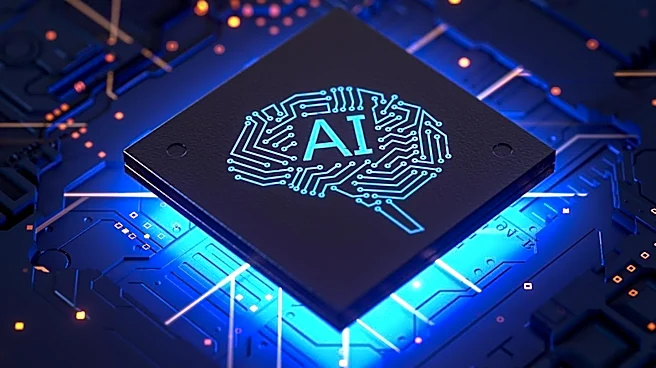
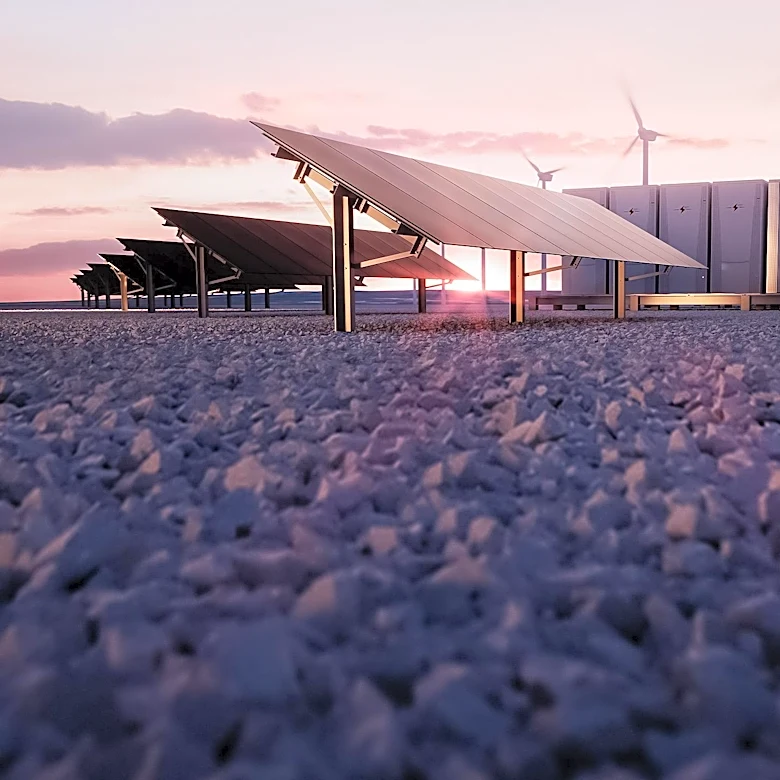
rising tariffs, and supply-chain diversification policies that challenge China's manufacturing competitiveness. In response, China has accelerated its economic transformation by developing 'new quality productive forces,' prioritizing technological innovation, industrial upgrading, and productivity growth. This involves mobilizing public and private investment in advanced manufacturing, artificial intelligence, green energy, and domestic research and development. China's goal is to strengthen its position in higher-value industries and reduce dependence on traditional low-cost manufacturing, aiming for a 4.5% to 5% economic growth target in 2026.
Why It's Important?
China's strategic shift under its 15th Five-Year Plan is crucial for its long-term economic trajectory and global influence. By focusing on technological self-reliance and innovation, China aims to mitigate the impact of external restrictions and move up the global value chain. This approach could lead to significant advancements in areas like renewable energy, digital infrastructure, electric vehicles, and open-source artificial intelligence, making modern technologies more accessible and affordable for developing countries. This strategy not only strengthens China's domestic economy but also positions it as a key partner for the Global South, offering trade, investment, infrastructure connectivity, and access to emerging technologies. This could reshape global supply chains and economic partnerships, potentially reducing the dominance of Western technologies in certain regions.
What's Next?
China is expected to continue its aggressive investment in advanced manufacturing, AI, and green energy to achieve its technological self-reliance goals. This will likely involve further development of domestic supply chains and increased efforts to foster innovation within China. Concurrently, Beijing will likely expand its economic cooperation with developing countries, offering its technological advancements and financial support to build stronger partnerships. This could lead to a more diversified global economic landscape, where developing nations have more options for technological adoption and economic collaboration beyond traditional Western partners. The success of China's strategy will depend on its ability to overcome ongoing external pressures and effectively translate its domestic innovations into global opportunities.
Beyond the Headlines
China's emphasis on 'new quality productive forces' and technological self-reliance represents a fundamental reorientation of its economic strategy, moving away from export-led growth to innovation-driven development. This has profound implications for global trade and technology ecosystems, potentially leading to a more multipolar world where technological leadership is distributed among several major powers. The focus on making modern technologies accessible and affordable for the Global South also carries significant geopolitical weight, as it could foster stronger alliances and reduce the influence of Western powers in these regions. This long-term vision could trigger a new era of technological competition and cooperation, with ethical and governance challenges arising from divergent approaches to AI and other advanced technologies.