



What's Happening?
3D animation involves a six-stage pipeline to transform digital models into moving images. This process begins with modeling, where artists construct characters, props, and sets using polygons. Following this, rigging adds a virtual skeleton and controls
to these models, enabling them to be posed. The third stage, animation, involves animators using keyframes or motion capture to create movement over time. Lighting is then applied, where artists place lights, set camera angles, and define material responses to light. The fifth stage, rendering, is where the computer calculates the final image for each frame based on the scene description. Finally, compositing combines these rendered images with other footage, adjusting colors, contrasts, and adding effects to produce the finished shot. This structured approach ensures a systematic workflow from concept to final product.
Why It's Important?
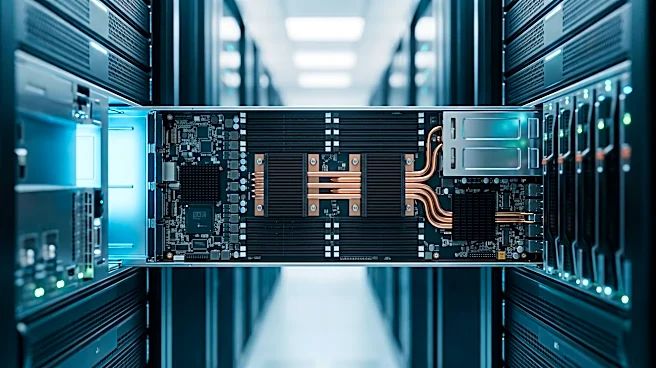
The detailed understanding of the 3D animation pipeline is crucial for the U.S. entertainment and technology industries. Each stage represents specialized skills and software, contributing to a multi-billion dollar market for animated films, video games, and visual effects. The efficiency and quality of this pipeline directly impact production costs and timelines, influencing the competitiveness of U.S. studios globally. For instance, the rendering stage, often the most time-consuming and computationally intensive, highlights the need for advanced computing infrastructure and render farms, which are significant investments for companies. The distinction between 2D and 3D animation also informs educational programs and career paths, shaping the workforce for future digital content creation. This structured approach allows for complex projects to be broken down, managed, and executed by specialized teams, fostering innovation and artistic expression within the industry.
What's Next?
The animation industry is continuously evolving, with ongoing advancements in software and hardware. Future developments are likely to focus on optimizing rendering times through more efficient algorithms and increased cloud-based render farm capabilities. The integration of artificial intelligence and machine learning could further automate aspects of rigging and animation, potentially reducing manual labor and accelerating production schedules. Additionally, the demand for real-time rendering, particularly in video games and virtual reality, will drive innovation in graphics processing and interactive content creation. Educational institutions will continue to adapt their curricula to prepare students for these emerging technologies and specialized roles within the animation pipeline, ensuring a steady supply of skilled professionals for the U.S. creative economy.
Beyond the Headlines
The intricate process of 3D animation extends beyond mere technical execution, touching upon significant ethical and cultural dimensions. The ability to create hyper-realistic digital characters raises questions about authenticity and the blurring lines between reality and simulation, particularly in areas like digital doubles for actors. The high computational demands of rendering also have environmental implications, as large render farms consume substantial amounts of energy, prompting discussions around sustainable production practices. Culturally, 3D animation has become a powerful medium for storytelling, influencing global narratives and shaping perceptions. The accessibility of free software like Blender also democratizes animation, allowing independent artists and smaller studios to contribute to the creative landscape, fostering diverse voices and innovative content that might otherwise be constrained by high production costs.