










What's Happening?
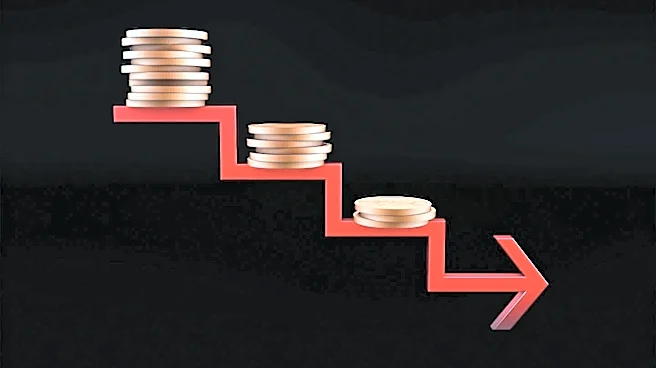
In the second quarter of 2026, U.S. retail asking rent growth has decelerated to its slowest pace in over a decade, according to data from CoStar Group, a leading provider of real estate information and analytics. The national asking rent growth rate was
recorded at +1.6% year over year. Despite this slowdown, landlords are still achieving significant rent spreads, especially in high-traffic retail areas where space is limited. Brandon Svec, CoStar Group's national director of retail analytics, attributes the slowdown to a normalization process rather than a decline in demand. Factors such as softer consumer spending, elevated interest rates, and increased tenant costs have contributed to the reduced ability of landlords to increase rents at previous aggressive rates. However, the combination of elevated lease spreads and larger contractual rent escalations continues to support revenue growth for property owners.
Why It's Important?
The slowdown in retail asking rent growth is significant as it reflects broader economic conditions affecting the real estate market. While the deceleration suggests a normalization, it also highlights challenges such as reduced consumer spending and higher interest rates impacting the retail sector. This trend could affect property owners' revenue streams and influence investment decisions in the real estate market. Regions like the Sun Belt, which previously led in rent growth, are still performing well but are experiencing moderated gains. This shift may lead to strategic adjustments by landlords and investors to maintain profitability in a changing economic landscape.
What's Next?
As the retail rent growth continues to slow, stakeholders in the real estate market may need to adapt their strategies. Landlords might focus on optimizing lease agreements and exploring new ways to attract tenants in a competitive market. Investors could reassess their portfolios to align with the evolving market conditions. Additionally, regions experiencing moderated growth may see increased competition among landlords to secure tenants, potentially leading to innovative leasing strategies and property enhancements to maintain attractiveness.