







What's Happening?
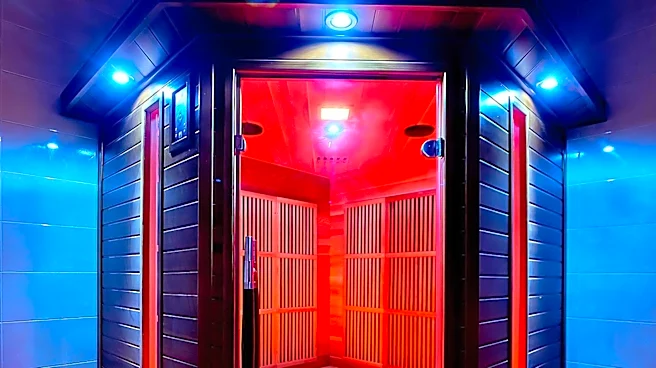
Infrared saunas utilize concentrated heat to directly warm the user's body, promoting a deeper, more therapeutic sweat at lower temperatures compared to traditional saunas. This method of heat therapy is distinct from portable saunas, which create an
enclosed space for steam, and infrared panel heater systems, which are primarily designed for general room heating. Infrared saunas are specifically engineered to support circulation, muscle relaxation, and the body's natural recovery processes. While some users may experience slight sweating, the primary purpose of infrared panels in this context is to deliver targeted therapeutic benefits rather than replicate the intense sweating of a traditional sauna session. These systems are also designed for continuous operation, providing consistent warmth and comfort.
Why It's Important?
The growing popularity of infrared saunas in the U.S. wellness market signifies a shift towards more targeted and accessible heat therapy options. Unlike traditional saunas that heat the ambient air, infrared technology directly warms the body, potentially offering benefits like improved circulation and muscle relaxation without the high temperatures that some individuals find uncomfortable. This distinction is crucial for consumers seeking specific therapeutic outcomes, such as post-exercise recovery or general well-being, who might not tolerate or prefer the intense heat of conventional saunas. The continuous operation capability of infrared saunas also makes them a convenient option for daily use, integrating easily into personal wellness routines and potentially reducing reliance on more intensive, less frequent spa visits. This trend reflects a broader consumer interest in home-based wellness solutions that offer both efficacy and comfort.
What's Next?
As consumer awareness and demand for home wellness solutions continue to rise, the market for infrared saunas is likely to expand further. Manufacturers may focus on developing more compact, energy-efficient, and user-friendly models to cater to a wider range of living spaces and budgets. There could also be an increase in research exploring the specific health benefits of infrared therapy, leading to more targeted product development and marketing claims. Additionally, the integration of infrared technology into other wellness products, such as blankets or localized heating pads, might become more prevalent, offering diverse applications for muscle relaxation and recovery. The emphasis will likely remain on providing accessible, comfortable, and effective heat therapy options for daily use.
Beyond the Headlines
The rise of infrared saunas highlights a broader cultural trend towards personalized and preventative health measures. This technology taps into a desire for self-care tools that can be easily incorporated into daily life, moving beyond the traditional spa experience to a more integrated home wellness model. The focus on 'deeper, more therapeutic sweat' and 'natural recovery processes' reflects a growing interest in holistic health and natural remedies. This shift could influence how individuals approach physical recovery and stress management, potentially leading to a greater emphasis on non-pharmacological interventions. Furthermore, the distinction between dedicated therapeutic devices and general heating systems underscores the importance of informed consumer choices in a market increasingly saturated with wellness products, prompting a need for clear communication about product purpose and benefits.