
What's Happening?
During a recent episode of 'The View,' co-host Whoopi Goldberg displayed a clear lack of interest in a discussion regarding a guest's attire at Miley Cyrus's wedding. The topic arose when it was noted
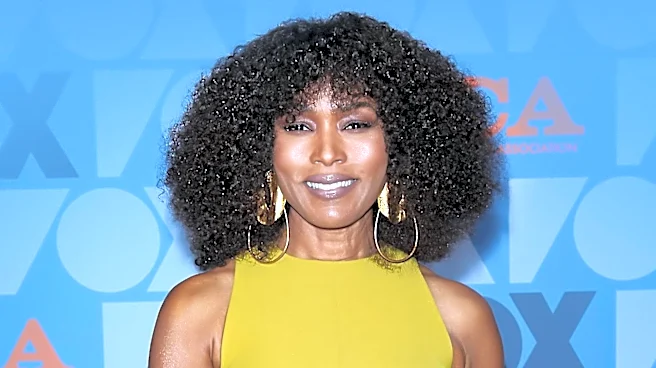
that a guest wore a bright yellow dress to the event, despite the invitation reportedly requesting black attire. Goldberg questioned the relevance of the discussion, stating that Cyrus herself had complimented the guest's appearance. When co-host Sunny Hostin attempted to explain the outfit had become an 'internet sensation,' Goldberg interjected, expressing that such topics did not interest her and promptly moved to a commercial break. The guest's sister, Belgica Vargas, later clarified that her sister had missed the dress-code memo and that Cyrus was not bothered by the outfit, further supporting Goldberg's stance that the debate was unnecessary.
Why It's Important?
This incident highlights the ongoing dynamic within talk shows, where hosts often navigate between audience interest, trending topics, and their personal engagement with the subject matter. Goldberg's direct dismissal of the discussion underscores a potential shift in how some public figures choose to engage with what they perceive as trivial internet discourse. For viewers, it can signal a preference for more substantive conversations, or it might be seen as a host dictating the flow of discussion rather than following audience curiosity. For 'The View,' it demonstrates the distinct personalities and editorial judgments of its hosts, which can influence the show's overall tone and content direction. The event also subtly critiques the nature of online 'sensations' and the media's role in amplifying them, suggesting that not all viral content warrants extensive on-air debate.
What's Next?
While this specific incident is unlikely to have long-term repercussions, it may influence future editorial decisions on 'The View' regarding which internet-driven topics are given airtime. Producers and hosts might become more discerning about the relevance and depth of viral stories before bringing them to the panel. Viewers might also observe whether Goldberg continues to assert her disinterest in similar discussions, potentially shaping audience expectations for the show's content. The broader implication could be a subtle pushback against the constant pressure to cover every trending online topic, encouraging a more curated approach to daily news and entertainment discussions on daytime television.
Beyond the Headlines
Beyond the immediate on-air exchange, this event touches upon the broader cultural phenomenon of 'outrage culture' and the rapid spread of minor incidents across social media. Goldberg's reaction can be interpreted as a commentary on the disproportionate attention often given to trivial matters in the digital age. It raises questions about media responsibility in amplifying such discussions and the potential for 'clickbait' narratives to overshadow more significant news. Ethically, it prompts a consideration of whether public figures have a responsibility to engage with all trending topics or if they can, and should, exercise editorial judgment to steer conversations towards more meaningful subjects. This instance serves as a micro-example of the ongoing tension between public interest, media sensationalism, and the desire for substantive discourse.