







What's Happening?
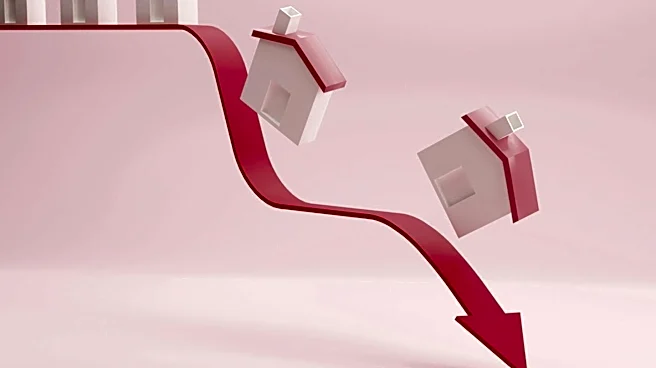
Goldman Sachs Research predicts a downturn in U.S. housing activity for 2027, with rising mortgage rates expected to significantly impact both existing home sales and new construction. Economists Ronnie Walker and David Mericle project existing home sales to reach
3.9 million in 2027, a 26% decrease from 2019 levels and slightly below the 2026 forecast of 4 million. This anticipated decline is attributed to the substantial increase in borrowing costs, which has created a 'lock-in' effect, discouraging current homeowners with lower mortgage rates from selling. Over 95% of mortgage borrowers currently hold interest rates below market rates, with 65% having rates at least two percentage points lower. This situation makes it financially disadvantageous for homeowners to sell and purchase a new home at higher prevailing rates. The report also forecasts an 'anemic' home price growth of 0.8% December-over-December in 2027, following 1.1% in 2026 and 1.2% in 2025.
Why It's Important?
The projected decline in housing activity and home price growth has significant implications for the U.S. economy and various stakeholders. A slowdown in existing home sales and new construction directly impacts the real estate industry, including realtors, builders, and associated service providers. The 'lock-in' effect, where homeowners are reluctant to sell due to higher mortgage rates, reduces housing inventory, potentially exacerbating affordability challenges for prospective buyers. This situation also affects consumer mobility, as individuals may be less inclined to relocate for job opportunities if it means incurring substantially higher housing costs. Furthermore, the modest home price growth could impact homeowners' equity, influencing their financial decisions and overall economic confidence. The report highlights that even with an expected decline in mortgage rates to 6.4% in 2027, affordability will remain historically poor, indicating a prolonged period of housing market challenges.
What's Next?
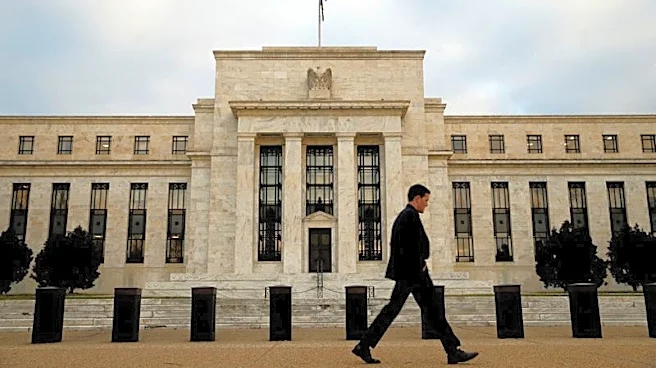
Housing activity, as measured by residential fixed investment, is expected to begin recovering by next summer, following an anticipated decline in the coming months. However, the headwind from affordability is projected to intensify in 2027, further weighing on activity. While adjustable-rate mortgages have seen renewed popularity, their impact on alleviating the 'lock-in' effect is expected to be modest in the U.S., as they represent less than 10% of outstanding mortgages. The Federal Reserve's future interest rate decisions will be a critical factor influencing mortgage rates and, consequently, the housing market's trajectory. Policymakers and industry leaders will likely monitor these trends closely to assess potential interventions or adjustments to housing policies aimed at improving affordability and stimulating market activity.
Beyond the Headlines
The 'lock-in' effect described by Goldman Sachs Research points to a deeper structural issue within the housing market, where past low-interest rate environments have created a disincentive for current homeowners to participate in the market. This phenomenon could lead to a less dynamic housing market, with fewer transactions and potentially longer periods of homeownership. The report also implicitly raises questions about the long-term sustainability of housing affordability in the U.S., especially if mortgage rates remain elevated. The interplay between interest rates, housing supply, and demand will continue to shape the economic landscape, potentially influencing demographic shifts and urban development patterns as individuals and families adapt to evolving housing market conditions. The modest home price growth also suggests a potential shift from the rapid appreciation seen in recent years, which could alter investment strategies in real estate.